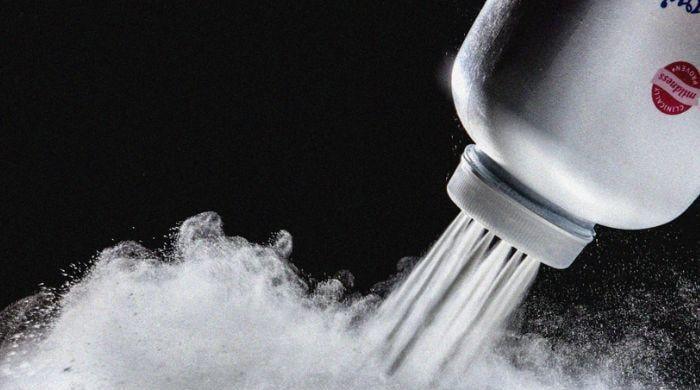
More than 3,000 British citizens are suing healthcare giant Johnson & Johnson, alleging its talc-based baby powder caused their cancer.
The plaintiffs also accused the company that “they already knew,” accusing it of covering up the matter for decades.
The landmark lawsuit was filed at the High Court in London, representing one of the largest product liability cases in British history.
According to the plaintiffs, Johnson and Johnson (J&J) sold baby powder contaminated with asbestos, a known carcinogen, for decades, knowing the product was dangerous and hiding the truth about it.
A lawsuit brought by KP Law on behalf of people who have contracted ovarian cancer or mesothelioma is potentially worth hundreds of millions of pounds in damages.
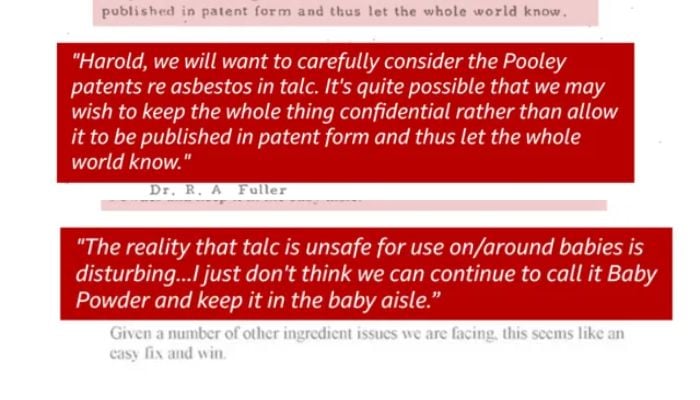
She claims that J&J knew since the 1960s that its talc contained asbestos fibers, but that it concealed this fact using internal company documents.
Allegation of decades-long overrun
Court records allege the lawsuit accuses J&J of concerted action to defend its lucrative product.
Michael Rawlinson KC, who represented the plaintiffs, said the company hid the facts, pressured regulators to accept less sensitive testing techniques and funded research to minimize the risks of its talc.
A claim dating back to 1973, made using a single internal company letter that reportedly stated: “Our baby powder contains fragments of talc which could be classified as fibers. Occasionally, sub-traces of tremolite or actinolite may be detected… – minerals that take on the type of asbestos in their fibrous forms.”
The plaintiffs say they should have issued warnings rather than further promoting the powder as pure and safe, particularly to new mothers and, subsequently, African-American women.
The company denies all allegations
J&J and its consumer health spinoff Kenvue, which now handles the claims outside of North America, vehemently deny the allegations.
A Kenvue spokesperson said: “The safety of Johnson’s baby powder is backed by years of testing… it does not contain asbestos and does not cause cancer. »
The company said that internal documents mentioned in the complaint were distorted and that negotiations on patent issues and testing standards were a regular part of business.
Personal tragedies fuel legal battle
The case is driven by very emotional stories.
Janet Fuschillo, 75, one of the claimants who was diagnosed with ovarian cancer seven years ago, said she had sprayed the powder on herself and her four children for nearly 50 years.
She told the BBC that she had done her best to help them.
Patricia Angell is another claimant who claims her husband Edward died in 2006 from mesothelioma.
She claimed that although he worked as an electrician and was never exposed to asbestos, he took Johnson & Johnson talc daily.
Edward’s autopsy report contained the name of the talc, she said, as well as strains of asbestos found in the contaminated talc.
The court’s verdict will be very significant as it could set a major precedent for consumer product liability in the UK.