
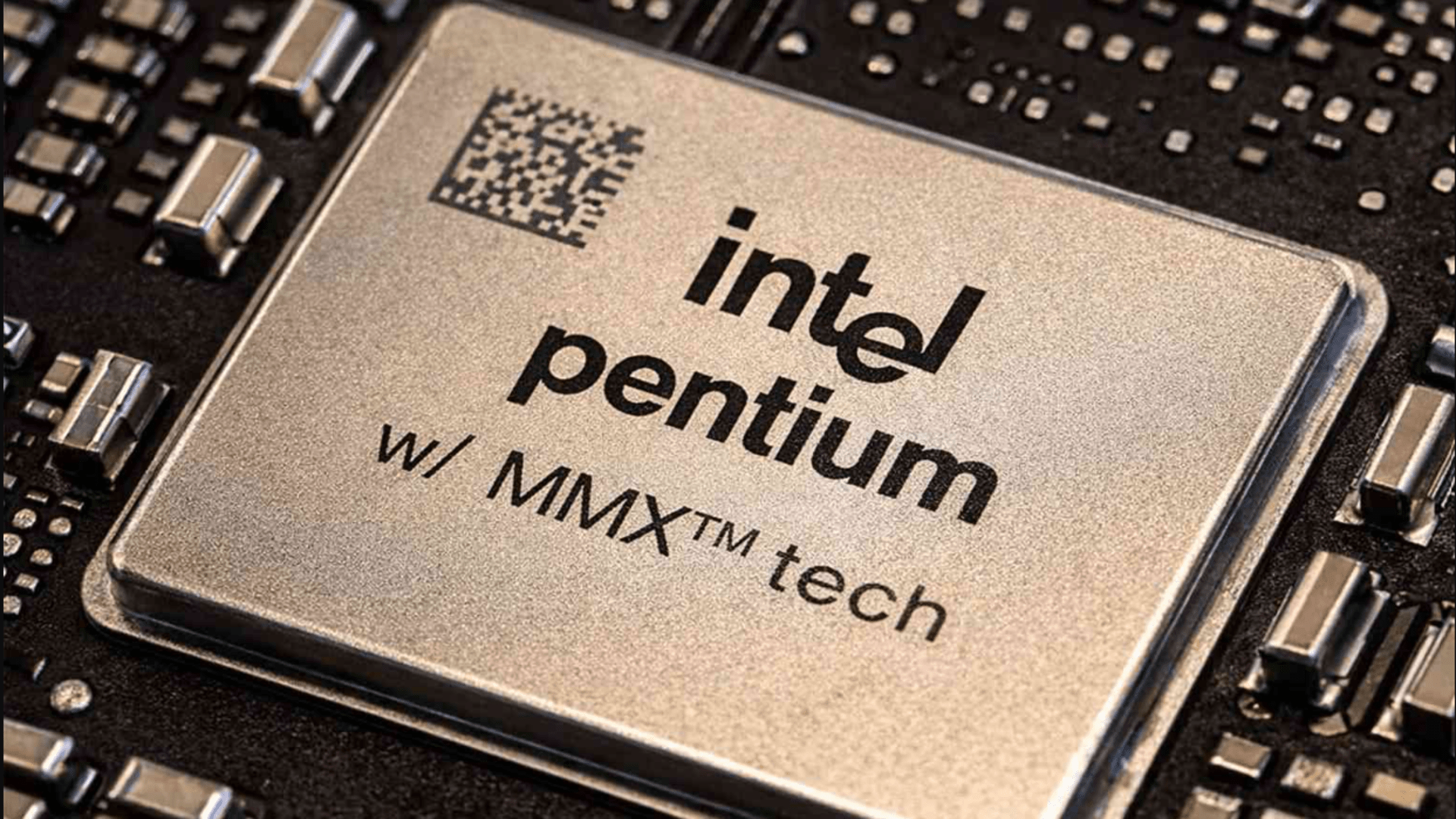
- Linux kernel 7.0 officially removes 440BX EDAC driver, ending software support
- ECC RAM continues to fix errors, but software notifications will no longer appear
- Linux distributions focus on maintainable code and modern CPU architectures
The upcoming Linux kernel 7.0 will officially remove EDAC driver support from the Intel 440BX chipset, ending a software era that lasted more than two decades.
This driver has not been functional since 2007 due to incompatibilities with the Intel AGP driver, but its removal indicates that Linux distributions are officially abandoning legacy support for this once-critical chipset.
Devices using ECC RAM will continue to correct memory errors at the hardware level, but software-side notifications for bit flips will no longer be available.
Linux distributions are phasing out support for existing hardware
This change reflects the continued modernization of Linux distributions, which increasingly prioritize current architectures and maintainable code over legacy hardware.
The Intel 440BX chipset earned its place in computing history for its stability, speed, and broad compatibility at a time when standards often seemed more like suggestions than rules.
Before its arrival, hardware incompatibilities were common, and the first Plug and Play protocol earned the nickname “plug-and-pray” for good reason.
The choice of motherboard heavily influenced the overall performance of the system, and a stable chipset often made the difference between a smooth machine and an agonizing job.
The 440BX solved both stability and compatibility issues in a single design, quickly gaining the respect of enthusiasts and professionals alike.
Its ability to run out-of-spec hardware with minimal issues sets it apart from competing motherboards, cementing its reputation as a reliable workhorse.
Overclocking in the 440BX era was accessible to everyday users and the chipset excelled in this area.
Inexpensive Celeron 300A processors could boost from 300 MHz to 450 MHz – a 50% increase – without the need for improved cooling solutions, providing a cost-effective alternative to purchasing a more expensive Pentium II-450 processor while still achieving similar or better performance.
Almost all overclocking attempts have been successful, contributing to the chipset’s myth among enthusiasts.
The 440BX’s tolerance for pushing hardware beyond official specifications has made it a fundamental component for countless custom builds, including server fleets.
Its reliability has earned it comparisons to a Toyota Hilux, durable, adaptable and seemingly immortal even under extreme usage conditions.
Nonetheless, the design legacy of the 440BX lives on, with modern virtualization software, including VMware, still emulating the 440BX for Windows 11 hosts and guests by default.
The removal of the 440BX EDAC driver shows how Linux distributions evolve alongside hardware innovation.
For long-term Linux users, this change reinforces the importance of migrating older hardware or maintaining specialized environments for older machines.
As kernel development progresses, attention will shift to contemporary memory management, peripheral support, and optimization of new processor architectures.
Via Tom’s material
Follow TechRadar on Google News And add us as your favorite source to get our news, reviews and expert opinions in your feeds. Make sure to click the Follow button!
And of course you can too follow TechRadar on TikTok for news, reviews, unboxings in video form and receive regular updates from us on WhatsApp Also.


