
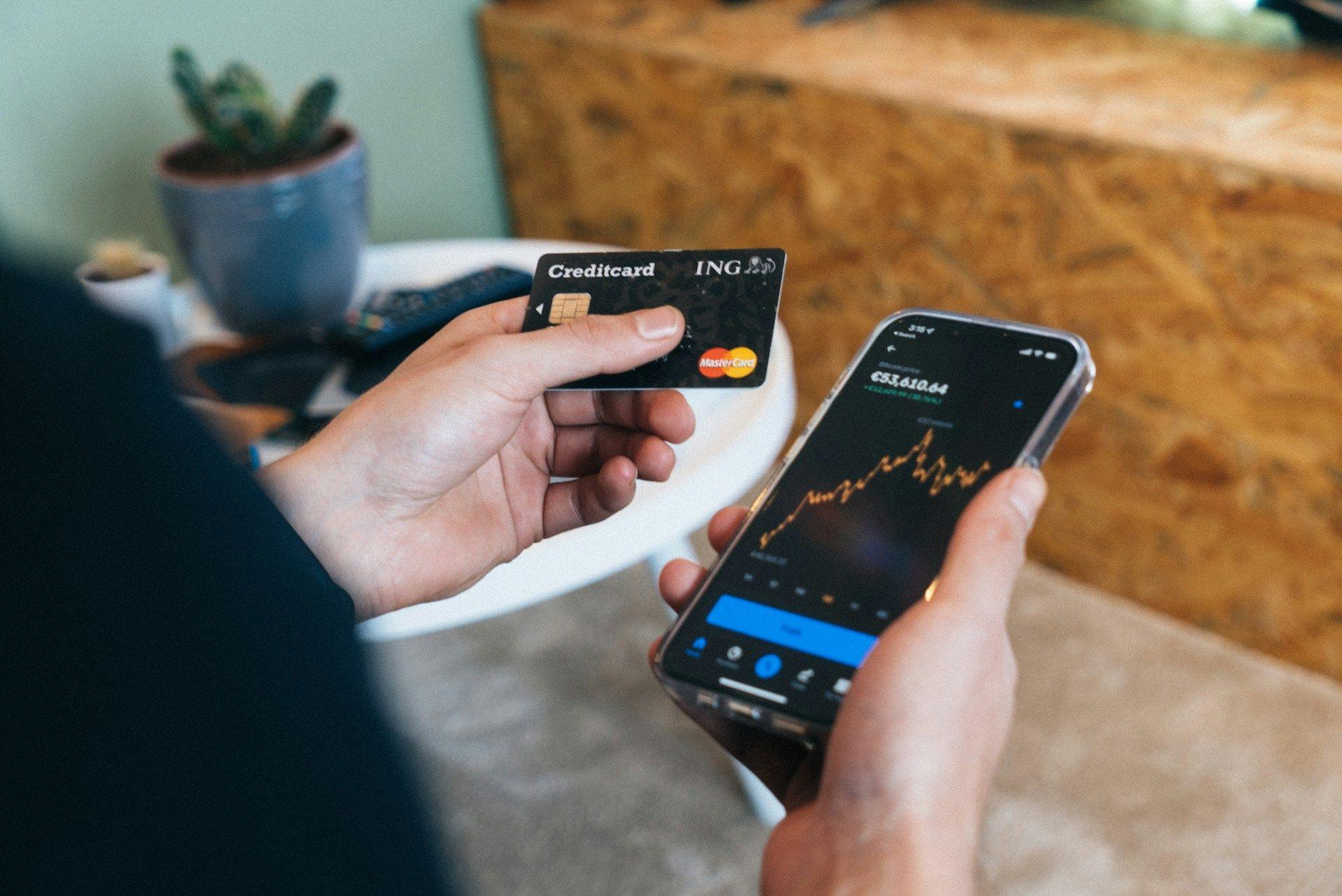
Mastercard (MA) Double stablescoins with a series of partnerships and product expansions to integrate regulated digital dollars in the daily payment network.
The payments giant said on Tuesday that it would integrate several stablecoins, including Pyusd de Paypal, the Global Lodial Dollar (USDG) led by Paxos and Firv recently unveiled by FIUS in its global network, which already includes the support for the USDC in Circle. It also introduces Stablecoin transactions for cross -border payments via Mastercard Move.
The company also declared that it also worked with the supplier of FISERV financial technologies (FI) to provide FIUSD support to its card products, colonies on and offering and the merchant, and will allow consumers to spend both Fiat and Stablecoin balance under a single interface with Mastercard One Credential.
Initiatives are the latest examples of world banks and payment companies that run to adopt stablescoins, a type of digital currency with prices anchored to an external asset such as fiduciary currencies, in their offers. It is a 260 billion dollars and rapid growth in asset class and promises programmable transactions and faster and cheaper payments than through traditional banking channels. Institutional adoption accelerates after the US Senate adopted the Act on Engineering to regulate the Stablescoin sector.
“We expect consumers and businesses to continue to use the fiduciary currency with their Mastercard cards for most use cases,” said Jorn Lambert, product manager at Mastercard, in a blog article. “But regulated stablecoins are undoubtedly part of the evolution of digital payments.”
These measures mean that financial institutions and businesses could soon surround, exchange and adjust transactions using selected staboins, while consumers can use them in the same way that they would use traditional currencies for transfers and payments, including in the 150 million merchant sites of the company.
Stablecoin integrations join existing digital asset offers, which cover card programs with cryptographic companies that allow users to spend their assets in cryptography to merchant colonies and tokenized banking deposits.
Future plans include activation of programmable payments via the Multi-Token Mastercard network.
Read more: Mastercard says he went beyond the crypto experimentation, focused on “real solutions”


