
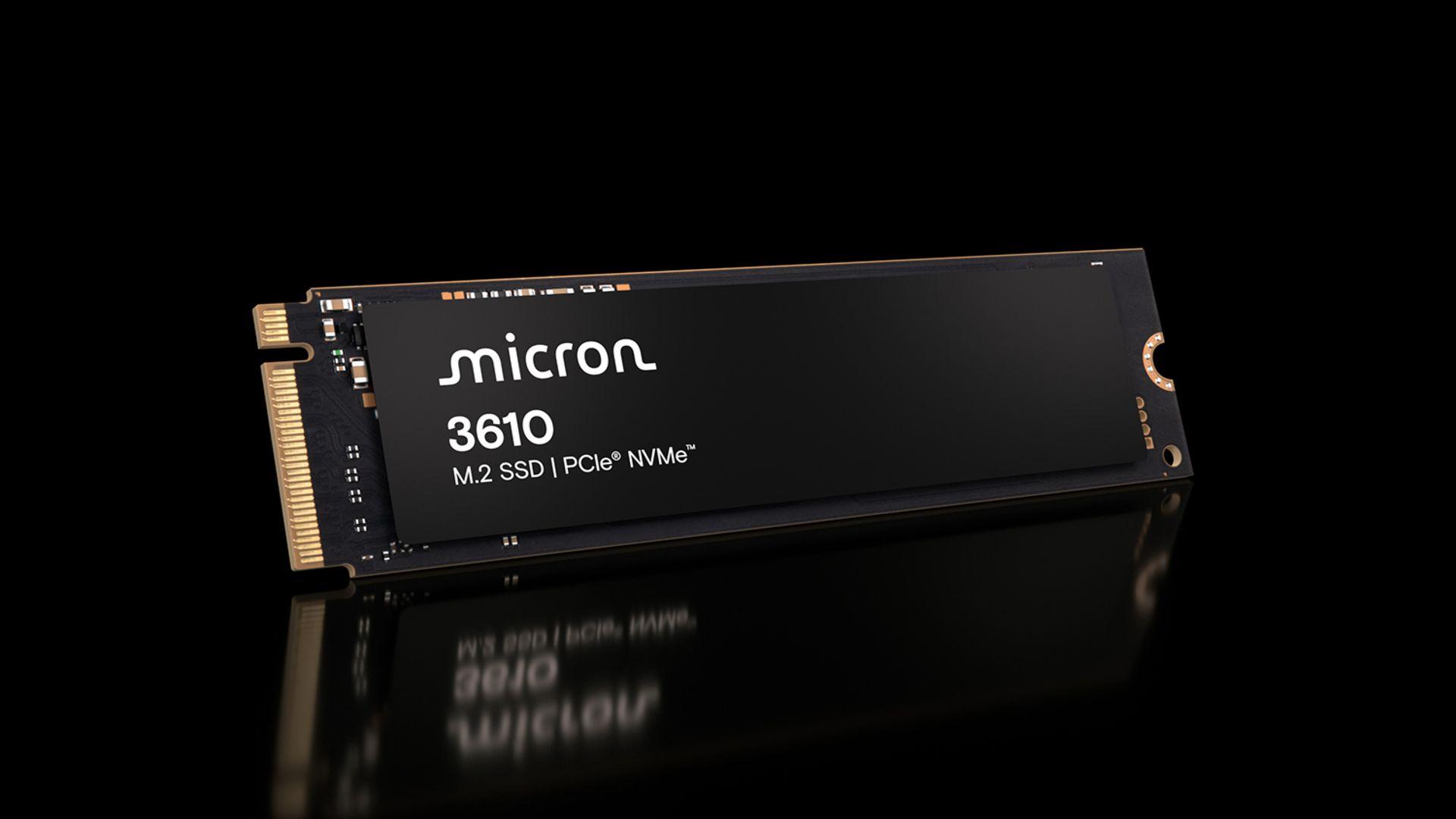
- Micron says consumers are still being served despite the end of the Crucial brand
- Enterprise DRAM demand now consumes more than half of global memory supply
- Adjusting production for different DRAM sizes can reduce total production
Micron has responded to criticism following its recent decision to retire the Crucial SSD and memory brand, clarifying that the company is not completely abandoning consumers.
The announcement comes after months of speculation that Micron would prioritize enterprise-grade DRAM and storage for AI projects, leaving PC builders and hobbyists facing supply shortages and rising prices.
In a recent WCCFtech During the interview, Christopher Moore, vice president of marketing for Micron’s mobile and customer businesses, noted that the company continues to supply memory to OEMs, including LPDDR5 modules for laptops, while reallocating resources toward high-demand enterprise sectors.
Growing demand for AI strains memory supply
Moore acknowledged that data center growth and demand for AI have dramatically changed the market, with enterprise needs now consuming 50 to 60 percent of the overall memory supply.
He noted that this is not just a Micron problem, as the entire industry is facing shortages, forcing manufacturers to prioritize production where it is most needed.
Adjusting production based on different DRAM sizes can reduce overall production, and Micron is working with its customers to stabilize demand so that supply can be maximized across all segments.
Micron’s move is part of an AI-focused pivot that includes ramping up production of enterprise SSDs and devoting a significant portion of its production to AI compute infrastructure.
Moore emphasized that the company remains committed to consumers, saying they are served through different channels, with continued shipments of memory and Portable SSD solutions via major equipment manufacturers.
The company maintains its partnerships with PC brands like Dell and Asus to ensure that consumer devices still receive DRAM and storage modules.
It has also increased its production capacity, notably with its ID1 factory in Idaho and a $100 billion megafactory in New York.
Moore said that while these projects will increase production, significant production is not expected until 2028, after qualification and customer acceptance.
For consumers, this means DRAM shortages and high prices may persist for several years, especially for DIY builders or those looking to upgrade with higher-capacity SSDs or memory modules.
Micron is on guard to ensure it can better serve its customers as suppliers in China and elsewhere have helped strengthen the industry.
This competition is healthy and will likely help the DRAM market rebound.
Technically, Micron still supports the consumer market, but it’s hard not to notice that the company is moving toward AI and enterprise memory.
It clearly prioritizes large-scale infrastructure, leaving individuals and hobbyists facing supply constraints for the foreseeable future.
Follow TechRadar on Google News And add us as your favorite source to get our news, reviews and expert opinions in your feeds. Make sure to click the Follow button!
And of course you can too follow TechRadar on TikTok for news, reviews, unboxings in video form and receive regular updates from us on WhatsApp Also.


