
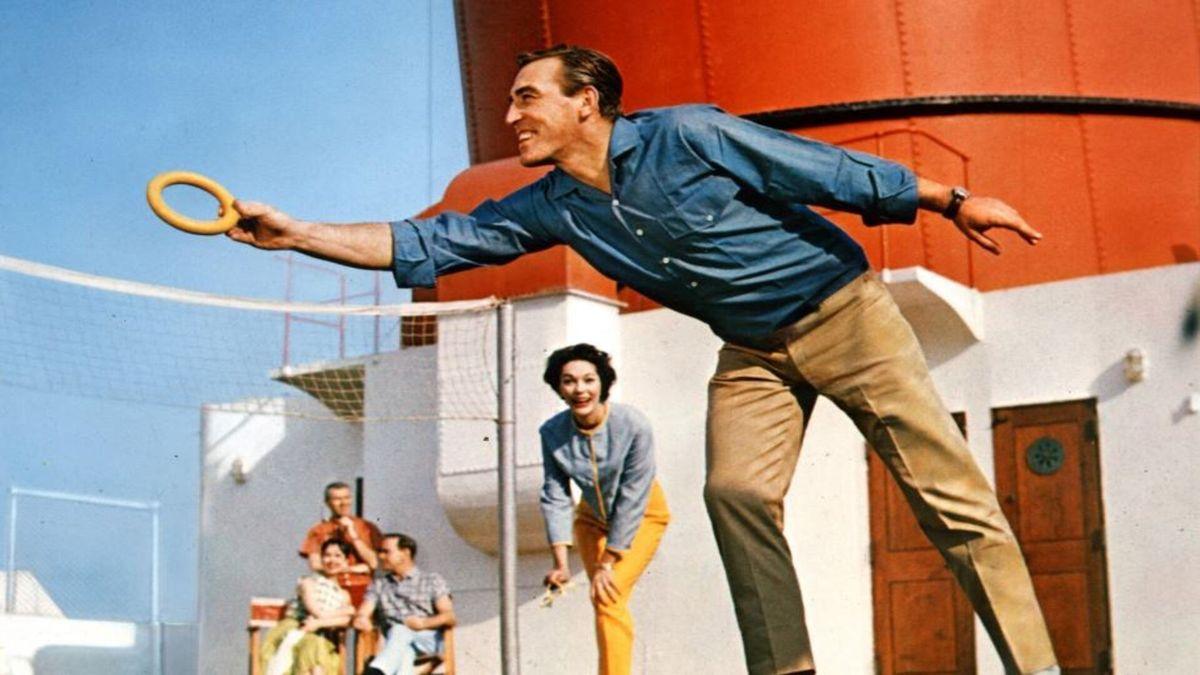
- Vast photo archives exist, but most images remain invisible
- Cunard’s exhibition highlights the need to preserve physical memories
- Shared experiences create a lasting photographic record for history
The Americans take 230 billion photos of amazing each year, the vast majority captured on commercial smartphones., But new research said that this could all risk being lost without warning.
A report by the luxury cruise company Cunard indicates that photo books, once an essential to preserve family memory, have become less common, because only 3% of Americans store images in printed form, most preferring to keep them on phones or in cloud storage.
The decline raises concerns as to whether digital images will remain accessible over time, with almost three -quarters of Americans fearing that without physical copies, future generations can lose precious memories.
Tradition of narrowing of printed photos
Many people assume that their digital photos will always be available, but this is naive – because more than half of the Americans had to delete images due to storage limitations, while others have lost images when they change or damage their phones.
Despite these risks, only one third of the Americans interviewed have declared to use cloud backups, leaving countless moments vulnerable to losses, while 54% think that their digital images will always be accessible in 50 years, discouraging their use.
While Americans take an average of 17.3 photos per week, this number increases more than 60 on vacation. The ease of image capture has led to a constant expansion digital archive, although that with a precarious future.
Similar trends are observed in the United Kingdom and Germany; The British captures 35 billion images per year, while the Germans take 38 billion, but only 2% of British and 4% of Germans stored them in printed albums.
The concerns about long-term accessibility are slightly more pressing here, with only 51% of British and 58% of confident Germans that their digital photos will always be accessible in half a century.
In response to the growing dependence on digital storage, Cunard encourages people to share their vacation memories as part of a special exhibition.
“As a unique resource that captures the unmatched history of 185 years of Cunard, the Cunard archive is an incredible collection accessible to all. It is exciting to see how today’s events will shape the Cunard archives of the future and to capture the stories of those linked to the brand, “said Siân Wilks, archivist Cunard at the library of the University of Liverpool.
Organized by photographer Mary McCartney, this showcase aims to highlight the meaning of the preservation of images beyond digital screens.
The exhibition, which will be exhibited in the Liverpool liver building, will present historical and newly subject photographs, offering a visual chronology of almost two centuries of transatlantic travel.
“For 185 years, our ships have been at the heart of unforgettable moments for millions of guests and crew,” said Katie Mcister, president of Cunard, stressing the importance of the initiative.
“It’s a chance to celebrate these memories and the stories they tell. By sharing your experiences, you will help Mary McCartney to create something really unique – an exhibition that gives life to the story of Cunard to everyone. »»


