The team of Major League Soccer (MLS), the San Diego FC, announced that it is investing in the main stadium operating and safety initiatives to suppress the use of an “anti-gay” song used by fans. The song has been commonly used by fans of the Mexican national team for many decades and has previously led to sanctions against the country’s football club in the past.
The plan of the San Diego FC to repress the song includes a drastic increase in safety at the Snapdragon stadium.
“The number of stadium safety staff will be increased and strategically positioned in key areas, with an increased presence near the opposing goalkeeper section. The delinquents will be identified, ejected and could face additional sanctions,” the team wrote in their ad.
The team also reserves the right to take a break, suspend or completely abandon a match if the fans use the song.
CLICK HERE for more sports cover on Foxnews.com
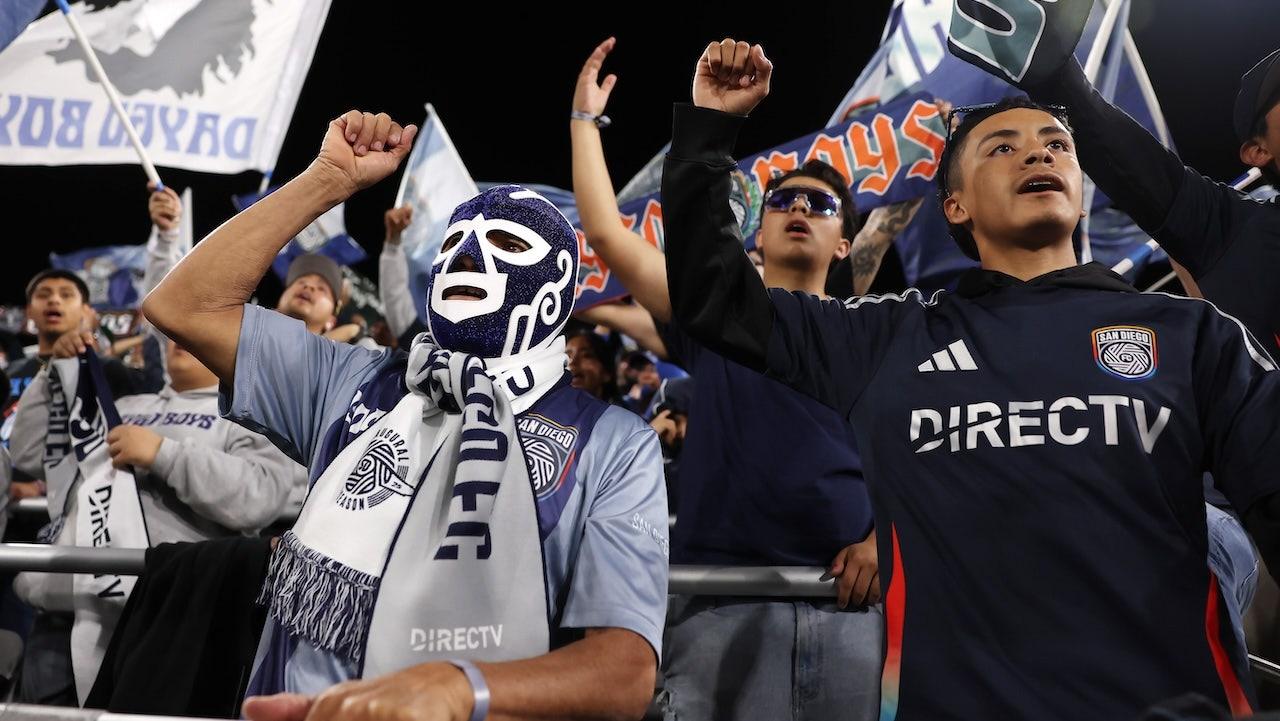
Fans applaud in a match between San Diego FC and St. Louis City at the Snapdragon Stadium on March 01, 2025 in San Diego, California. (Sean M. Haffy / Getty Images)
In addition, the team makes major changes to the team’s communication with the fans during and before the matches to prioritize the discouragement of the song.
Stade staff will now place a leaflet in all siege cup holders reminding fans that discriminatory language will not be tolerated, starring the message: “Aquí no” / “not here”. Before kick-off, the CEO of the Tom Penn team, head coach Mikey Varas and player Aníbal Godoy will deliver a pre-recorded message discouraging the song.
And during the match, the team will display a banner visible in the stadium reinforcing the message condemning the song in the supporters section.
The song was recently used during the home opening of the St. Louis City team on March 1. The fans used the song three times, despite frequent attempts at stadium staff so that the song stops via the public addresses system.
Varas condemned the fans who used it after this match.
“The song that was heard tonight is unacceptable,” said journalists. “It is outside our value system. It does not represent the players, myself or the club, and it certainly does not represent San Diego or Baja California. It is not a reflection of who we are. We are a community full of love, support, and we believe in the power of diversity.”
NHL Star Dishes on Team USA Players’ American Pride: “ I have not seen this Americans in general ”
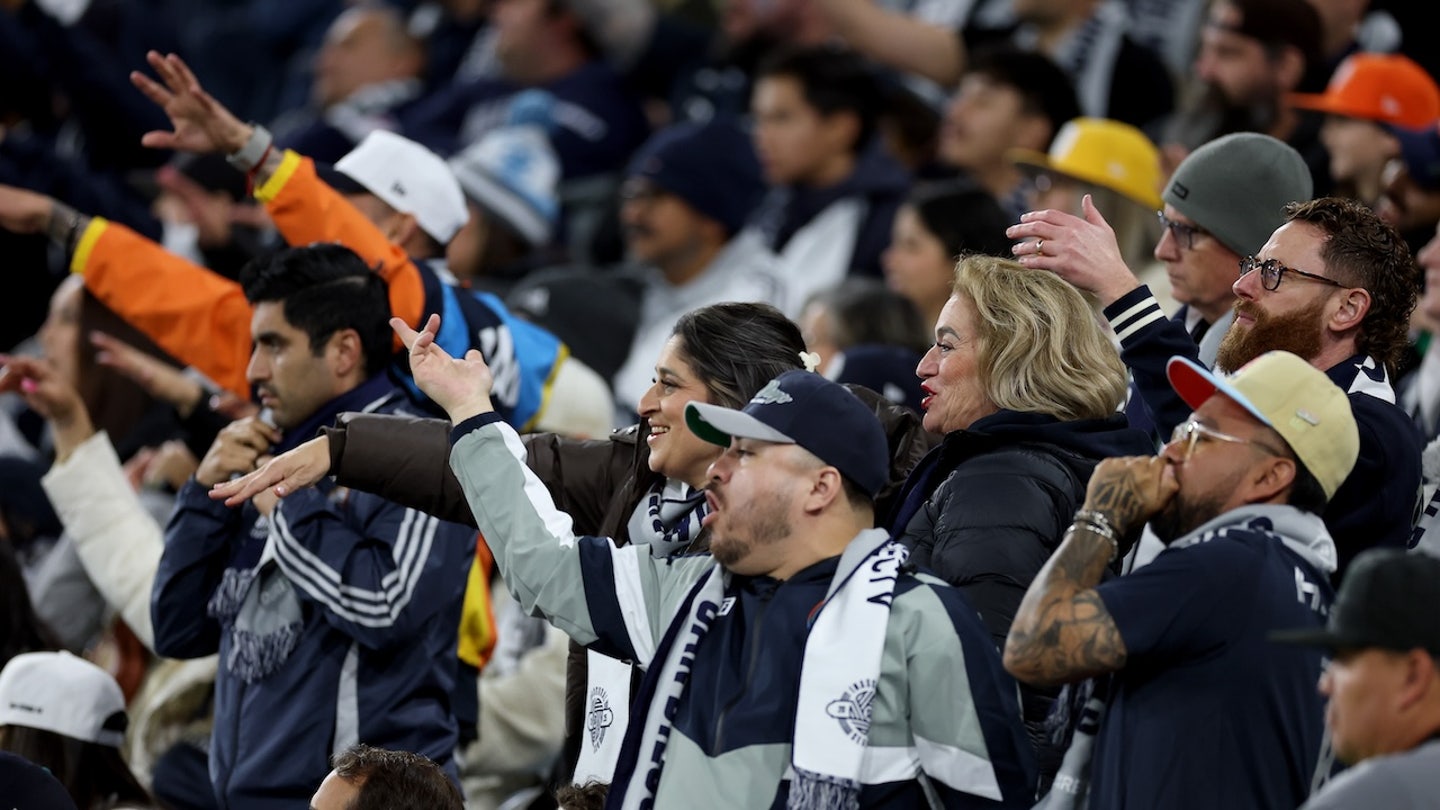
Fans applaud in a match between San Diego FC and St. Louis City at the Snapdragon Stadium on March 01, 2025 in San Diego, California. (Sean M. Haffy / Getty Images)
The song, which is traditionally used while an opposing goalkeeper takes a goal kick, is from the Mexican city of Guadalajara in the early 2000s.
The song, which is a repeated use of the word “puto” and translates into English as a “male prostitute”, has remained largely not treated by the main football institutions, and was heard in a good place during an Olympic qualifier in 2004 between the United States and Mexico.
However, it has become more controversial and disapproved over the years.
In 2019, FIFA presented its three -step protocol, the same now used by San Diego FC, designed to dissuade supporters from participating in singing.
In 2021, all fans of Mexico were prohibited from a pair of world cup qualifications due to the song.
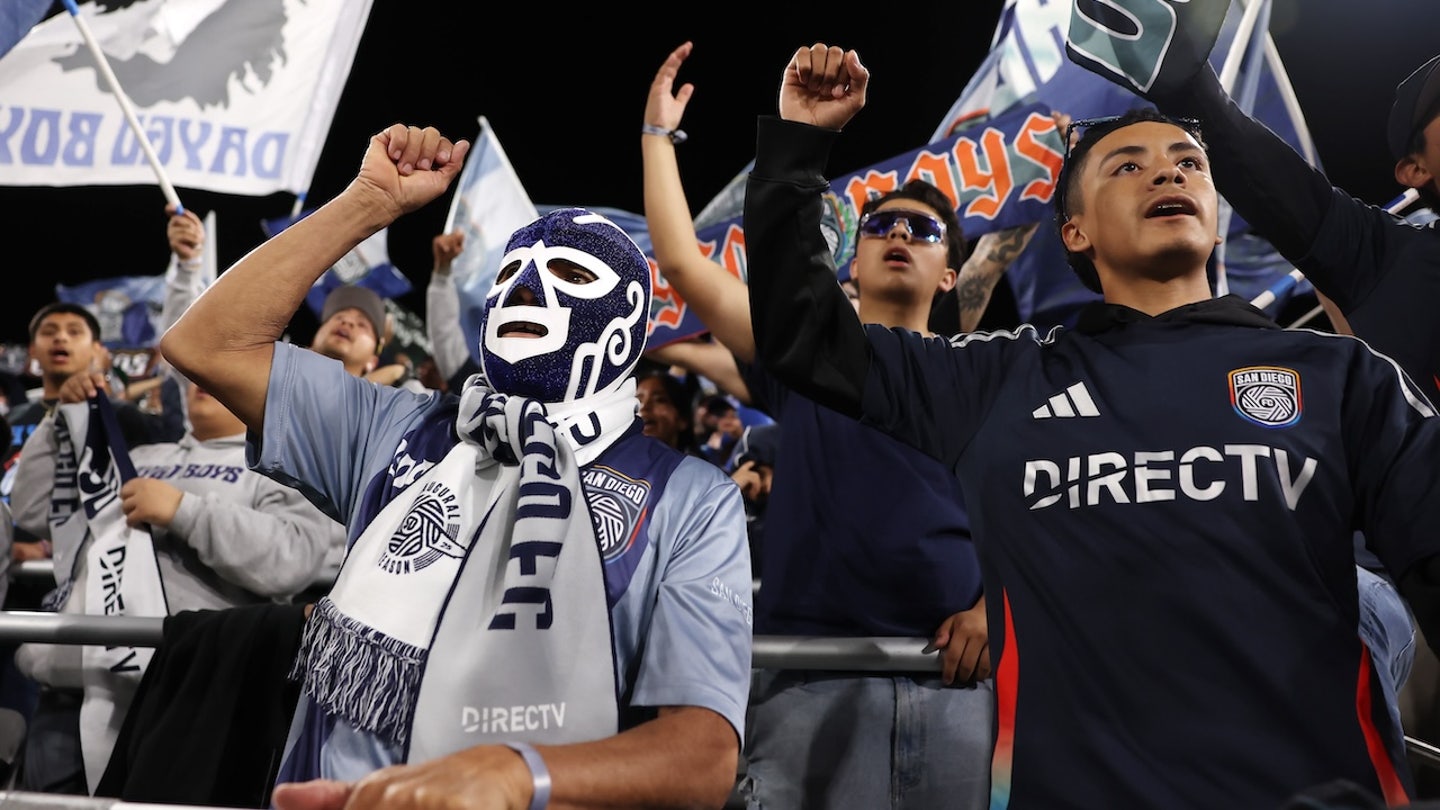
Fans of San Diego applaud their team during the MLS match between San Diego FC and St. Louis City SC at the Snapdragon stadium on March 01, 2025 in San Diego, California. (Sean M. Haffy / Getty Images)
The FIFA Disciplinary Committee has announced that the Mexican national team should play its World Cup qualification matches against Jamaica and Canada that year in an empty stadium after the fans used the song during the Northern, Central America and the United States Confederation earlier in June of the Caribbean football nations. The team was also sentenced to a fine of $ 73,000.
The matches of the American Nations League against Mexico against Mexico had been suspended in the years consecutive years in 2023 and 2024 after the fans of Mexico used the song twice.
Now the song has made its way in the MLS ranks, and the San Diego FC is trying to limit it from the spread.