

- Almost three quarters of UK users like end-to-end encryption
- Yet many Brits are unaware that their favorite apps don’t offer it.
- Proton also warns of Big Tech’s privacy laundering tactics
Many people say they worry about who can see their online footprint. However, a new study from Proton, the company behind one of the best VPN and secure messaging services, suggests that reality does not match these concerns and the gap appears to be widening.
While most Brits say they care about their online privacy and value end-to-end encryption, they continue to rely on popular apps that don’t actually offer it.
The study showed that even among users who actively worry about data privacy, many overestimate how secure consumer services actually are. Experts warn that it’s more important than ever to understand which apps are actually protecting your data.
What the research says about privacy beliefs in the UK
Proton’s research found that almost three quarters (73%) of Brits believe end-to-end encryption (E2EE) is important when choosing digital services. Yet they often overestimate the security of the apps they use every day.
More than half of respondents (57%) described Gmail as “very” or “somewhat” private, although 27% incorrectly believe it offers end-to-end encryption.
Similarly, 19% of UK users incorrectly assume that Microsoft Outlook offers E2EE. This confusion also extends beyond email clients, with some respondents believing Google Drive encrypts files end-to-end.
The main concern here is scale. Massive quantities of messages, documents and sensitive personal data pass through these platforms every day. Even though many of these platforms may use encryption in transit or at rest, providers still retain technical access – despite what many UK users think they are getting.
Why end-to-end encryption still confuses people
A major contributor to this problem is that end-to-end encryption (E2EE) is widely misunderstood. Simply put, E2EE means that only the sender and recipient of a message can read its content – not the app provider, advertisers, or any third parties.
However, encryption alone does not guarantee complete privacy.
WhatsApp is a perfect example. Most UK users correctly recognize that it uses E2EE, but fewer realize that the provider still collects some surrounding metadata. This data can be just as revealing as the content of the message.
Even when messages are end-to-end encrypted, “private enough” apps, like WhatsApp, collect large amounts of metadata: who you talk to, when, from where, and how often you communicate. Over time, companies use this information to build insight into your habits and relationships.
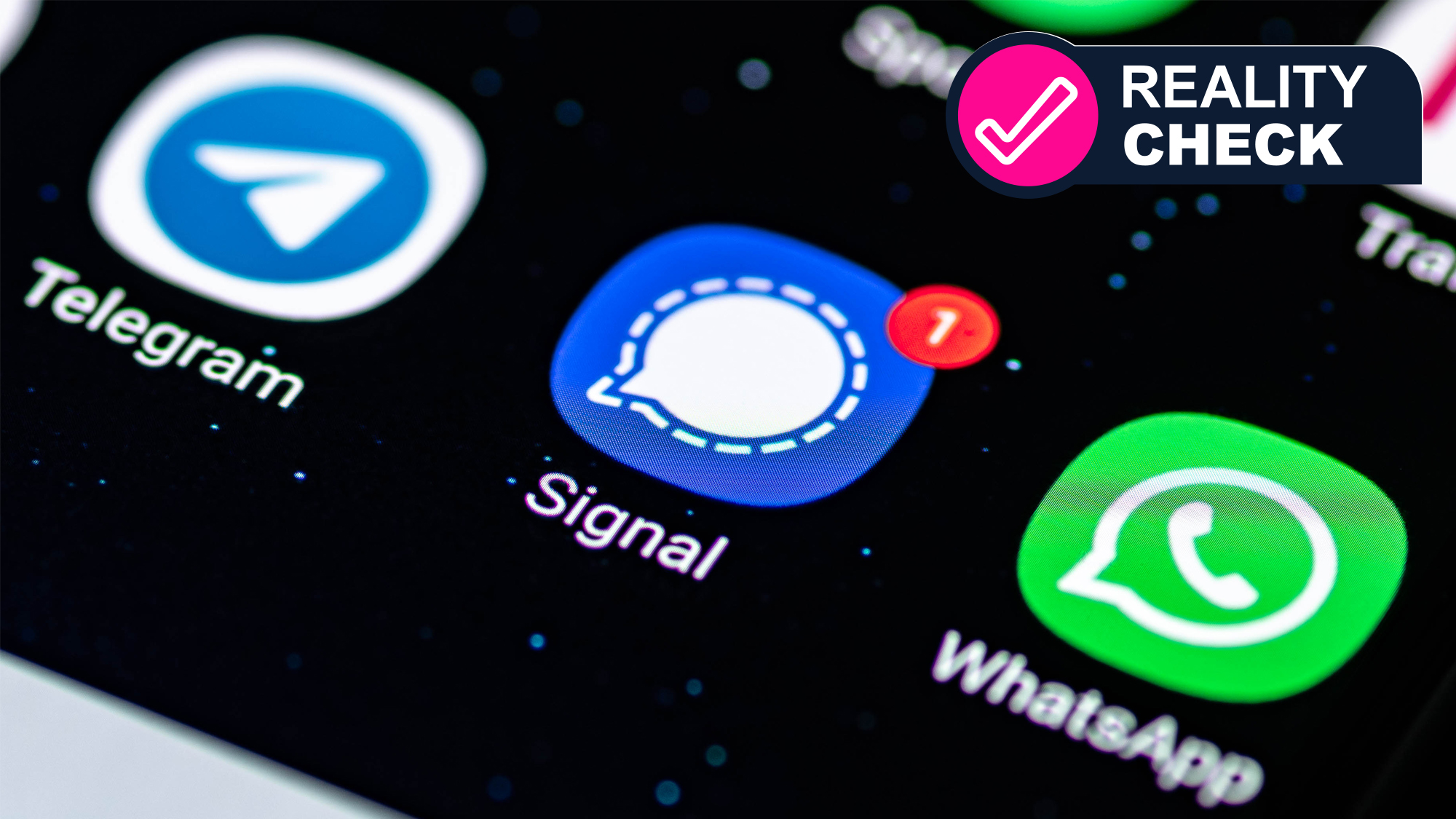
Proton warns that in large Big Tech ecosystems, this data can also be reused in unexpected ways by users, such as for AI development and analysis. E2EE protects the content of messages, but does not protect the data surrounding it; it is in this distinction that the main risks remain
Proton points to “privacy washing” as a major factor at play here. Years of privacy-focused marketing have created false trust among users, exposing them to long-term tracking and profiling despite their confidence in the privacy their apps offer.
How to protect your privacy online
Protecting your privacy doesn’t mean abandoning the apps you use every day overnight. However, this requires making more informed choices.
Proton’s advice is to first find out which applications actually use end-to-end encryption and prioritize them for sensitive communications.
“In the age of AI, what you once thought was private, like your emails, photos and memories, can quietly be repurposed as training data for tech giants unless end-to-end encryption is used,” said Anant Vijay Singh, product manager at Proton Mail.
It’s also worth reevaluating everyday tools like email, cloud storage, and messaging apps, where “encrypted” doesn’t necessarily mean private. “Thankfully, it’s easier than ever to replace your most commonly used apps with privacy-focused alternatives,” said Vijay Singh.
For everyday browsing, we also recommend using a secure VPN service, especially when connecting to a public Wi-Fi network. A virtual private network (VPN) adds an extra layer of encryption around your online activities, while spoofing your IP address for added security.
Follow TechRadar on Google News And add us as your favorite source to get our news, reviews and expert opinions in your feeds. Make sure to click the Follow button!


