
ISLAMABAD:
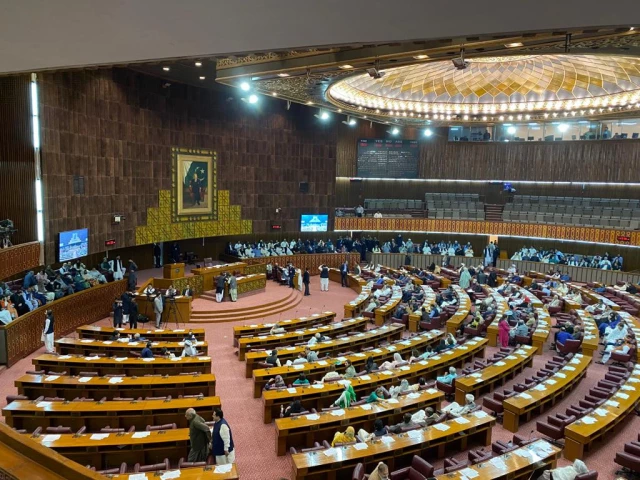
Parliamentary Secretary for Health, Nelson Azeem, told the National Assembly on Monday that 84,421 HIV cases have been recorded in the country and all diagnosed patients are receiving treatment in accordance with established medical protocols.
During the question hour, Azeem said dialysis patients are treated using separate machines to avoid cross-infection. Once diagnosed at any facility, patients receive appropriate treatment, with health services available at hospitals across the country.
He noted that Punjab reported the highest number of HIV cases due to its stronger surveillance, testing and diagnosis system, followed by Sindh, Khyber Pakhtunkhwa and Islamabad.
He emphasized that while the government provides treatment, prevention requires collective efforts from the public and health care providers. Unsafe blood transfusions and unregulated medical practices are the main causes of HIV transmission, highlighting the need for strict safety measures.
He said awareness campaigns have been launched in hospitals, clinics and among healthcare workers, while laboratories are monitored to ensure proper blood screening. The focus remains on early diagnosis and rapid treatment to improve patients’ quality of life.
Azeem also highlighted the support of international donor agencies, saying all initiatives followed World Health Organization (WHO) guidelines and were regularly audited to ensure transparency and effectiveness.
The National Assembly also offered Fateha to former Iranian President Dr. Ali Larijani and others martyred during the ongoing war in the Gulf countries.
The lower house, which met under the chairmanship of Speaker Ayaz Sadiq, also offered prayers for Senator Sherry Rehman’s daughter and Malik Niaz Ahmed Jhakkar, father of MP Owais Haider Jhakkar. MP Hafiz Nauman led the collective prayers.
Expressing his grief, President Sadiq recalled his personal relationship with Dr. Larijani, who was Iran’s national security chief and was martyred on March 17 in an Israeli strike on a residential building in Tehran’s eastern suburbs.
According to the AN spokesperson, Dr Ali Larijani was a victim of Israeli aggression.
During question time, lawmakers sharply criticized the health ministry’s performance. Sadiq expressed deep displeasure over the ministry’s failure to submit answers to five questions, saying negligence in such a critical sector was unacceptable.
He sought an explanation from Parliamentary Affairs Minister Tariq Fazal Chaudhry, who said efforts were being made to coordinate with relevant ministries to resolve the issue. The speaker then summoned the Federal Secretary of Health to appear in his chamber immediately.
Several bills were also introduced during the session, including the Criminal Laws (Amendment) Bill 2026, the Electricity (Amendment) Bill 2026, the Fiscal Responsibility and Debt Limitation (Amendment) Bill 2025, and the Financial Institutional Reforms Bill 2025. (WITH COMMENTARY FROM APP)


