
- Nissan partners with LiCAP Technologies to accelerate mass production
- The company has already opened pilot lines in its manufacturing plants
- The deployment of the technology could take place in the coming years
Nissan has joined the growing list of automakers and battery makers that have reported recent advances in all-solid-state battery technology.
Fierce rival Toyota, for example, only announced last week that it was already seeking to mass produce the revolutionary electric vehicle battery that it said would offer fast charging speeds, improved electric range and better battery longevity.
Although all-solid-state batteries (let’s call them ASSBs for brevity) have proven their capabilities in prototypes and test environments, they have so far failed to become a widely available commercial application due to the complex and expensive manufacturing process.
According to Nikkei, Nissan last month entered into a partnership with US-based LiCAP Technologies, a company that uses new “activated dry electrode” technology that is expected to reduce the traditional costly and toxic “wet electrode process.”
Additionally, the Japanese automaker is on track to have fully operational solid-state battery assembly lines at its Yokohama plant, after opening pilot lines earlier this year.
Recently, cell prototypes produced on these pilot lines reached an important milestone in meeting the performance targets required for mass production. So it’s only a matter of time before Nissan can start looking to implement them into a commercially available EV product.
Analysis: the pursuit of transistors could slow down new electric vehicles
The race for all-solid-state batteries heats up every month, as more automakers and battery producers release claims of epic real-world mileage (check out Mercedes-Benz’s work) or breakthroughs in mass production processes that could help commercialize this technology.
Earlier this month, Toyota said it would be the first to “achieve the world’s first practical use of all-solid-state batteries in BEVs” with a proposed date of 2027, although this has also been claimed by Chinese battery giants CATL and BYD.
In reality, it is the Chinese SAIC Motor, owner of the MG brand, which has come closest so far by offering the new MG4 with a semi-solid battery, but its statistics are still far from those promised by the ASSB.
Alas, the biggest consumer concern right now is that automakers will stop developing current EV battery chemistries while they wait for the longer, mass-produced solid-state technology to arrive, which, in turn, could see buyers sitting on their hands.
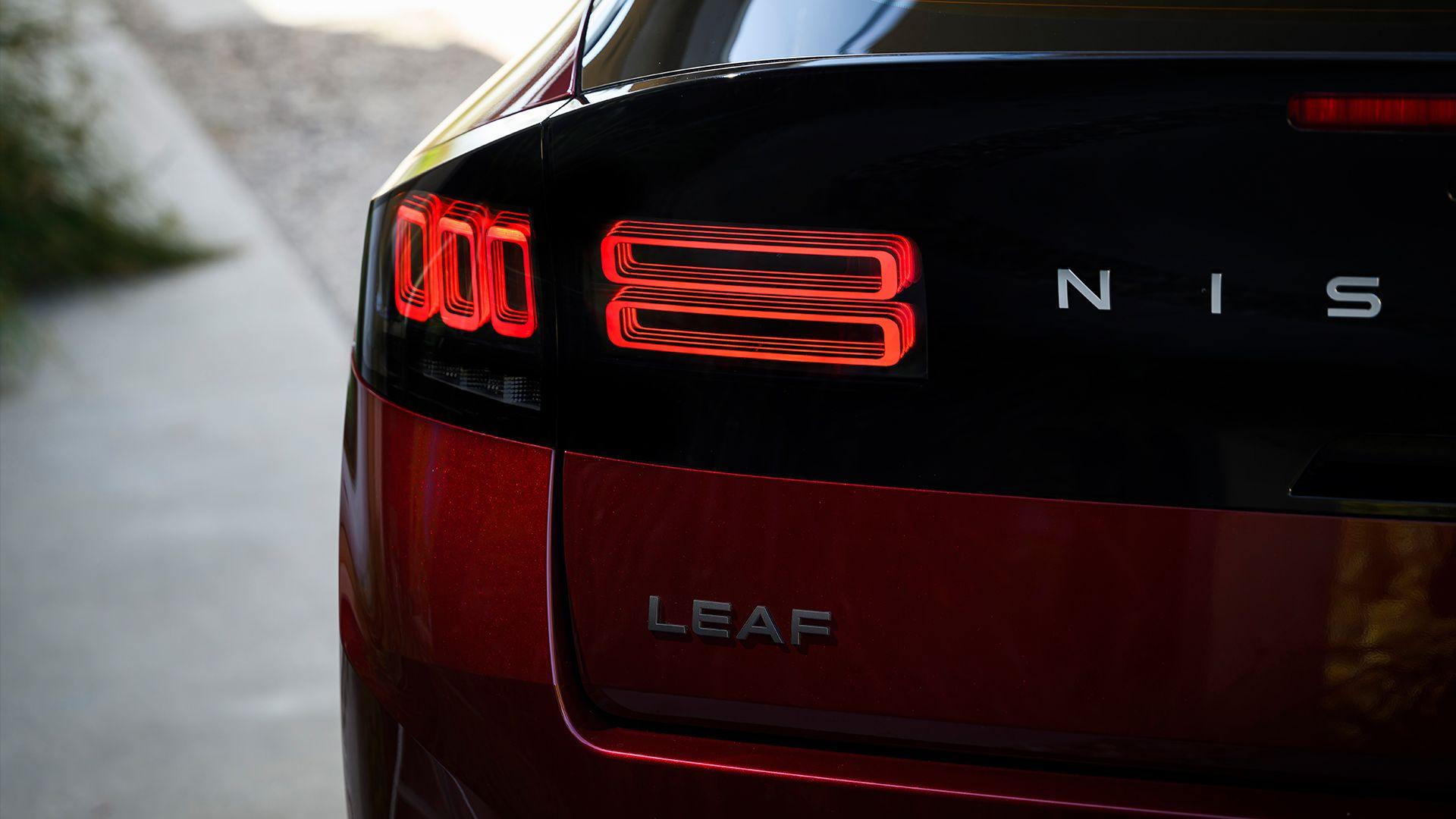
Nissan, for example, recently stopped selling its Ariya EV in North America due to slow adoption and the impact of numerous tariffs, leaving just the all-new Leaf as the company’s only EV offering in the United States.
Elsewhere, Nissan will offer both the Micra (based largely on the Renault 5 EV) and the updated Leaf, but it’s not exactly the full electric range that helps customers make the transition to electrification.
It’s a similar story with Honda, which appears to be waiting for its new 0 Series and the introduction of solid-state batteries to make a splash in the EV sector, meaning the next few years could be quite slow for new EV models from established automakers.
Follow TechRadar on Google News And add us as your favorite source to get our news, reviews and expert opinions in your feeds. Make sure to click the Follow button!
And of course you can too follow TechRadar on TikTok for news, reviews, unboxings in video form and receive regular updates from us on WhatsApp Also.


