
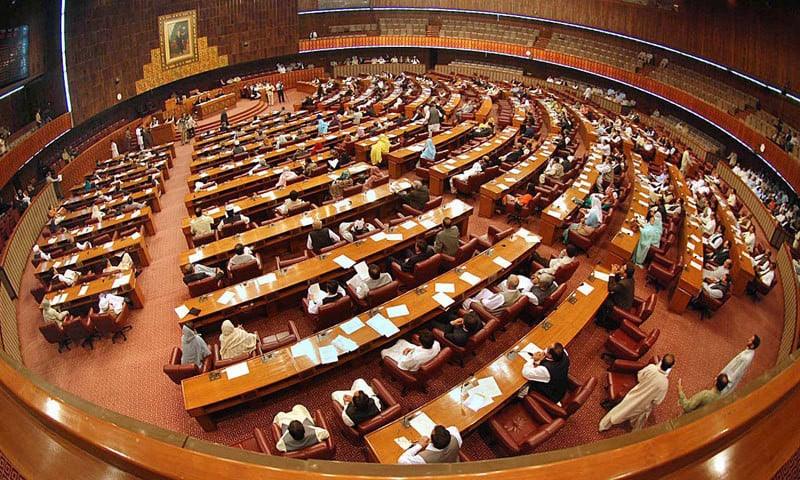
A key meeting of the Parliamentary Committee on National Security (PCN) began in Parliament, with senior political and military leaders present, notably Prime Minister Shehbaz Sharif, the chief of staff of the Asim Murnir army and other officials.
The meeting is also assisted by provincial leaders, notably the chief minister of Punjab, Maryam Nawaz, CM Sindh Murad Ali Shah, the chief minister of Balutchistan, Sarfraz Bugti, and Khyber-Pakhtunkhwa, the chief minister Ali Amin Gandapur, who represented his province in the absence of IPT members.
Governors and IGPs of the four provinces are also present.
However, the head of the BNP, Sardar Akhtar Mengal, was invited but did not attend the meeting.
The opposition, Pakistan Tehreek-e-insaf (PTI), had previously announced its participation in the deliberations of the Committee, but changed its decision late Monday evening and linked its presence to the session at their meeting with the founder of the party.
Speaking at a press conference in the information unit of the Civil Secretariat in Peshawar, the PTI information secretary Sheikh Waqas Akram, said the PTI would attend the meeting because it was linked to national security.
Akram said terrorist incidents increased to Khyber-Pakhtunkhwa (KP) and that the police were fighting terrorist attacks. He added that if the federal government thought of an operation against terrorists, this should first bring the case to Parliament.
“Terrorism can be carried out if the nation holds with the government and the institutions. When the terrorists know that the nation is united, they cannot attack,” he said, adding: “If an operation against the terrorists does not receive public support, the PTI will not support it.”
The high -level security meeting convened in Parliament comes after last week’s attack by militants of the Balutchistan Liberation Army (Bla).
Activists targeted the railways and maintained more than 440 hostage passengers in a day confrontation with security forces in a remote mountain neck in the Bolan district.
The soldiers managed to eliminate the train and save the hostages, signaling the murder of 33 attackers during the operation.
Before the rescue mission, the terrorists had killed 26 passengers. In addition, four members of security personnel lost their lives during the operation to release hostages.


