- The advances reduced some of the previous day’s losses.
- Stocks extended Monday’s gains.
- Attacks on oil installations in the Middle East continue.
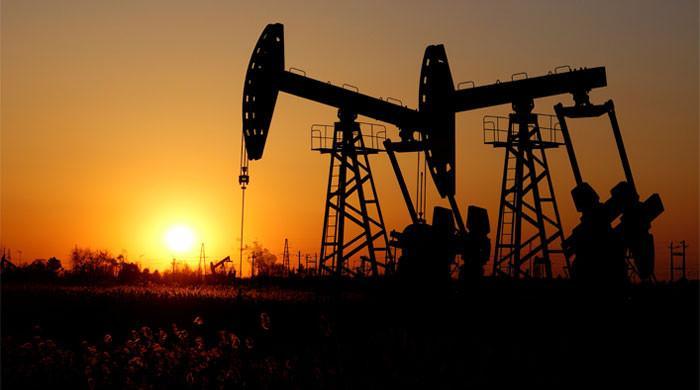
Oil prices resumed their rise on Tuesday as several countries rebuffed Donald Trump’s demand to help secure the Strait of Hormuz, while Iran continued to target its crude-producing neighbors.
The advances helped reduce some of the previous day’s significant losses, which came after the head of the International Energy Agency (IEA) said more stocks could be tapped if necessary.
Still, stocks extended Monday’s gains as tech companies rallied after Nvidia said it expects to make at least $1 trillion in revenue through the end of 2027.
Investors are also awaiting a series of central bank decisions this week that analysts say could lead to a resumption of interest rate hikes aimed at offsetting a possible rise in inflation caused by soaring crude prices.
Trump called on his allies in Europe and elsewhere to help reopen the Strait of Hormuz, which Iran has effectively closed, saying over the weekend that securing the waterway “always should have been a team effort, and now it will be.”
But on Monday the response was only lukewarm, with German Chancellor Friedrich Merz saying the war sparked by US-Israeli strikes on Iran was “not a NATO issue”, while Britain, Spain, Poland, Greece and Sweden all distanced themselves from the calls.
Australia and Japan also chose not to join.
The US president told the Financial Times on Sunday that it would be “very bad for the future of NATO” if allies refused to help, and said on Monday that he had asked to delay a summit with Chinese leader Xi Jinping on the issue by “about a month”.
With the crisis showing no signs of ending soon, the two main crude contracts rose more than 2% to hover around $100.
They fell on Monday after IEA boss Fatih Birol indicated that member countries could release more oil from their strategic stocks “if necessary”, having already agreed last week on a record release of 400 million barrels.
Attacks on Middle Eastern oil installations continued, with drones striking major oil fields in the United Arab Emirates and Iraq on Monday, while Israel said it had launched a “wave of large-scale strikes” in Tehran as well as attacks on Hezbollah in Beirut, the Lebanese capital.
And a drone and rocket attack targeted the US embassy in Baghdad early Tuesday, a security official said.
Stocks continued to resist rising crude prices, with Asian markets rising, helped by Nvidia’s remarks, which gave investors relief from events in the Middle East.
Seoul, which grew about 50 percent between the start of the year and the start of the war, led its gains thanks to advances by chip giants Samsung and SK hynix.
Tokyo, Hong Kong, Shanghai, Sydney, Singapore, Taipei and Manila also made gains.
This came after all three major Wall Street indexes finished comfortably higher.
However, Pepperstone’s Chris Weston said: “Conviction of a sustained rally in risk assets remains relatively low, although it is important to remain open-minded to the possibility that momentum could develop. »
While the IEA’s comments and news about the tanker were welcomed, he cautioned that “it is difficult to view these developments as a definitive de-escalation or a real circuit breaker for the energy risk premium.”