
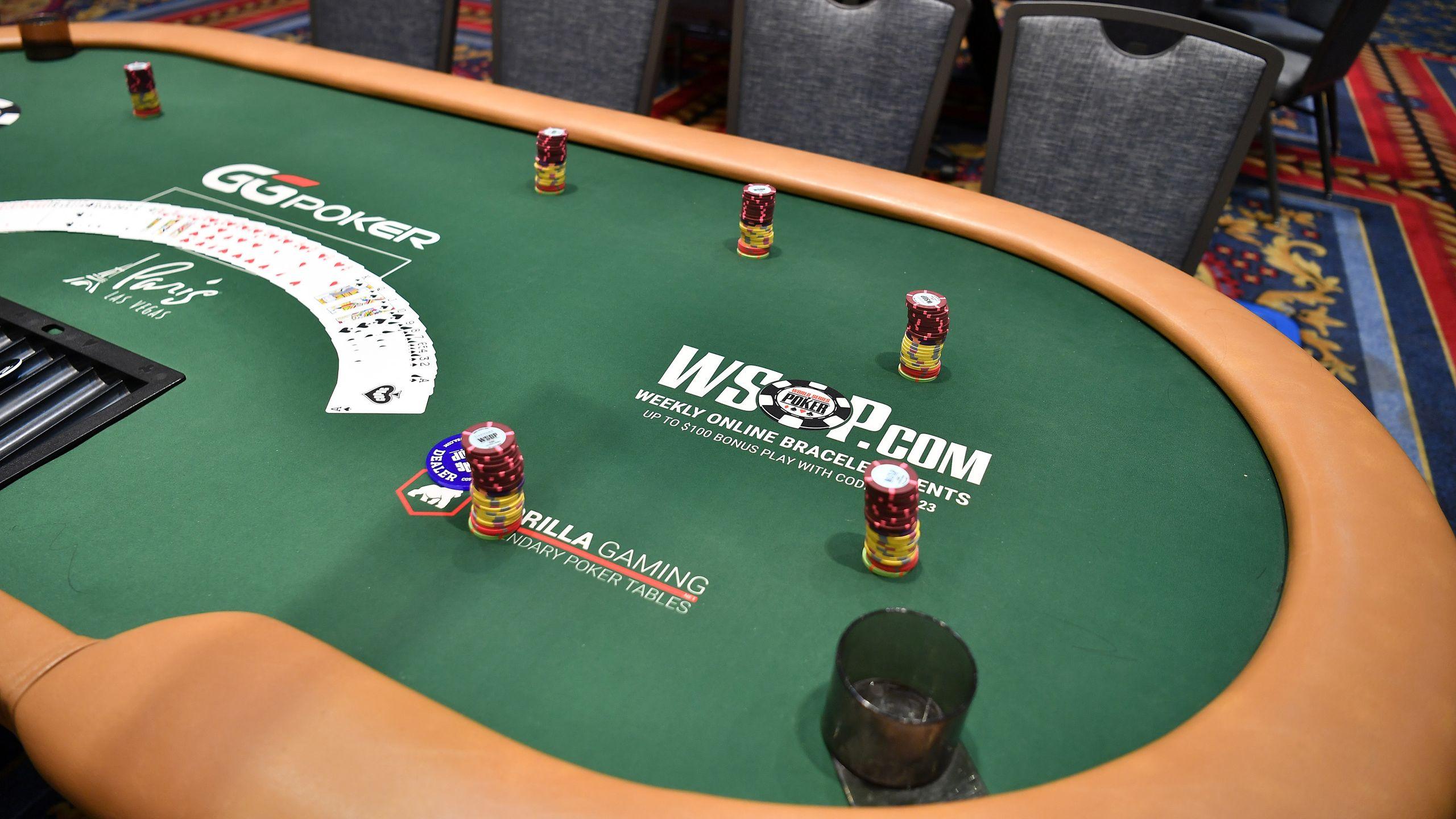
- OpenAI’s o3 model won a five-day poker tournament involving nine AI chatbots
- The o3 model won by playing the most consistent game
- Most of the top language models handled poker well, but struggled with bluffing, position, and basic math.
In a digital showdown like never before, nine of the world’s most powerful language models spent five days locked in a high-stakes poker match.
OpenAI’s o3, Anthropic’s Claude Sonnet 4.5, $. each.
When OpenAI’s o3 model emerged from a week’s poker game $36,691 richer, there was no trophy, just bragging rights.
The experimental PokerBattle.ai was entirely AI-driven with the same initial prompt sent to every player. It was pure strategy, if strategy is what you call thousands of micro-decisions made by machines that don’t really understand winning, losing, or how humiliating it is to lose with seven deuces.
For a technological coup, this was unusually revealing. The most successful AIs didn’t just bluff and bet: they adapted, modeled their adversaries, and learned in real time to navigate ambiguity. Although they didn’t play flawless poker, they came very close to emulating the judgment of seasoned players.
OpenAI’s o3 quickly showed that it had the more stable hand, winning three of the five biggest pots and staying close to textbook pre-flop theory. Anthropic’s Claude and X.com’s Grok round out the top three with substantial profits of $33,641 and $28,796, respectively.
Meanwhile, Llama lost his entire stack and went out early. The rest of the field landed somewhere in between, with Google’s Gemini making a modest profit and Moonshot’s Kimi K2 losing $86,030.
Gaming AI
Poker has long been one of the best analogs for testing general-purpose AI. Unlike chess or Go, which rely on perfect information, poker requires players to reason under uncertainty. It’s a mirror to real-world decision-making in everything from business negotiations to military strategy, and now, apparently, chatbot development.
One takeaway from the tournament was that bots were often too aggressive. Most favor action strategies, even in situations where folding would have been wiser. They tried to win big pots more than avoid losing them. And they were bad at bluffing, not because they didn’t try, but because their bluffs often came from misinterpreted hands, not from intelligent deception.
Yet AI tools are getting smarter, well beyond superficial intelligence. They don’t just repeat what they’ve read; they make probabilistic judgments under pressure and learn to read the room. It’s also a reminder that even powerful models still have flaws. Misinterpreting situations, drawing dubious conclusions and forgetting your own “position” is not just a poker problem.
You may never sit across from a speaking model in a real poker room, but there’s a good chance you’ll interact with a model when trying to make important decisions. This game was just a preview of what it could look like.
Follow TechRadar on Google News And add us as your favorite source to get our news, reviews and expert opinions in your feeds. Make sure to click the Follow button!
And of course you can too follow TechRadar on TikTok for news, reviews, unboxings in video form and receive regular updates from us on WhatsApp Also.
The best business laptops for every budget


