
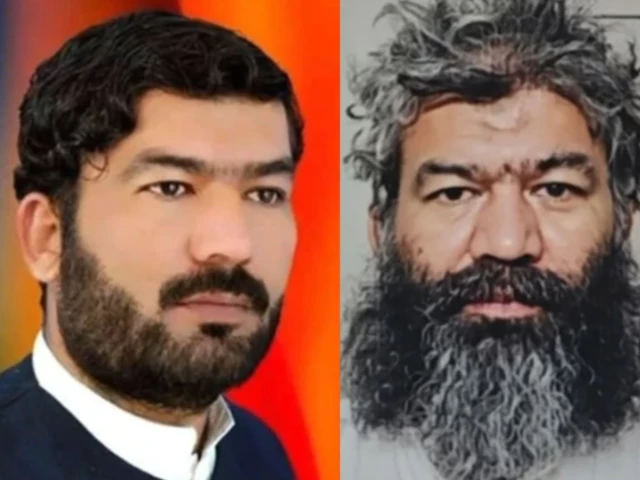
Azam’s detention in May this year effectively suspended the group’s media activities, according to a UN report
Pakistani intelligence services have arrested Khariji Sultan Aziz Azam, a spokesperson for the Islamic State of Khorasan (ISIS-K) and founder of the group’s official media arm, the Al-Azaim Foundation, according to a United Nations report submitted to the Security Council.
The findings were detailed in the sixteenth report of the United Nations Sanctions Monitoring and Analytical Support Team. The document states that Azaim served as ISIS-K’s central propaganda and recruitment platform, and that the group’s media operations were suspended after Azam’s arrest.
Pakistani authorities have carried out a series of large-scale operations targeting ISIS-K operatives. Among them was the detention of Azam on May 16, 2025, the report confirms.
Read: Pakistan accuses India of manipulating Chenab river flow
“There have also been a number of high-profile arrests by Pakistani authorities, such as the arrest of an ISIL-K spokesperson, Sultan Aziz Azam, on May 16, 2025,” the report notes.
According to the UN assessment, Pakistan’s actions have weakened ISIS-K’s organizational structure globally. The report said several planned attacks were foiled, while the number of the group’s fighters declined.
“Overall, ISIL-K’s capabilities have been degraded as a result of counterterrorism operations carried out by the de facto authorities and Pakistan,” the document said.
He added that the mid-2025 arrest of Abu Yasir al-Turki, a senior official in the group’s media and logistics network, by Turkish and Pakistani authorities may have contributed to the closure of the ISIS-K publication. Voice of Khorasan.
The document further states that ISIS-K’s key commanders and ideological leaders have been neutralized, with arrests such as those of Azam and Abu Yasir al-Turki significantly reducing its operational capacity. As a result, major propaganda platforms, including Voice of Khorasanwere taken offline.
The report also sheds light on the changing militant landscape in Afghanistan. Al-Qaeda continues to maintain close ties with the Taliban, with a persistent presence in several Afghan provinces. ISIS-K, however, remains the Taliban’s main adversary, continuing to carry out attacks both inside Afghanistan and abroad, despite the loss of territorial control.
Read: CDF Asim Munir meets Libyan military leaders to strengthen defense ties
Widely seen as critical of the Afghan Taliban regime, the report rejected Kabul’s claims that terrorist groups do not use Afghan soil for cross-border violence, calling the claims “not credible.”
He warned that neighboring states increasingly view Afghanistan as a source of regional insecurity, with non-state actors like ISIS-K, Tehreek-i-Taliban Pakistan, Al-Qaeda and others operating in the country, some of whom reportedly use Afghan territory to plan external attacks.


