
.
ISLAMABAD:
On the eve of International Wildlife Conservation Day, WWF-Pakistan has urged the government to elevate wildlife protection to a key national priority, warning that the country’s biodiversity faces growing threats from climate change, habitat loss, pollution and illegal trade.
The organization stressed that the crisis now requires sustained investment, coordination between provinces and stronger enforcement mechanisms.
Citing its latest global data, it adds that “according to WWF’s Living Planet report (2024), wildlife populations have declined by an average of 73% since 1970 – a trend that demands immediate action.”
The statement stressed that “Pakistan has not been immune to this loss”, adding that several iconic species, including tigers, lions, cheetahs and rhinos, have become locally extinct over the past centuries due to poaching, habitat loss and environmental degradation.
As Pakistan’s largest conservation organization, WWF-Pakistan has worked since 1970 to protect terrestrial, freshwater and marine ecosystems and ensure the survival of vulnerable species.
Working with governments, non-profit organizations, the private sector, researchers and local communities, WWF has helped several species achieve remarkable recoveries.
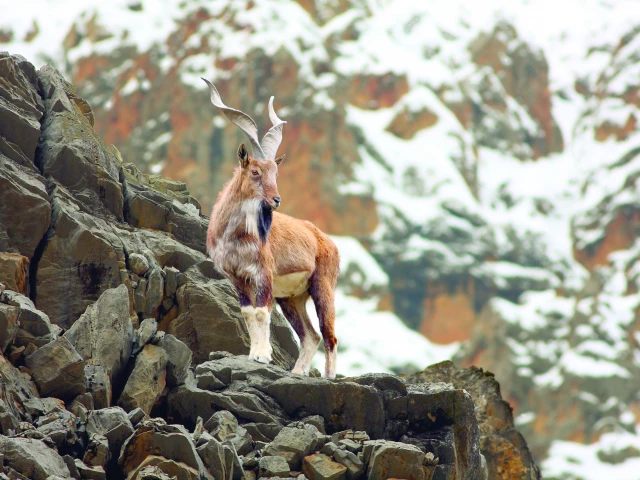
Notably, populations of Indus dolphins, snow leopards and markhor have shown encouraging increases.
Over the past quarter century, coordinated research, rescue operations, habitat protection and community engagement have helped nearly double the population – one of the region’s most remarkable conservation success stories.
Hammad Naqi Khan, Director General of WWF-Pakistan, said: “The 2025 theme “Funding Wildlife Conservation: Investing in People and Planet” highlights the need for increased and sustainable government funding at the federal and provincial levels. The private sector, philanthropists and civil society also have a vital role in supporting wildlife conservation.
Muhammad Jamshed Iqbal Chaudhry, head of wildlife practices at WWF-Pakistan, warned that illegal wildlife trade continues to endanger Pakistan’s wildlife, from reptiles and birds to mammals.


