
- MacBook Neo is a ‘shock’ for the PC industry, says Asus
- Apple’s rivals are now ‘seriously discussing’ how to compete
- This answer could be complicated by rising global memory costs
For a long time, Apple has refrained from competing in the more affordable segment of the computing market, which may have led to a degree of complacency among its competitors. That complacency has now been shattered with the launch of the MacBook Neo, and an Asus executive has perfectly summed up the industry’s reaction to what is now one of the most budget-friendly laptops money can buy.
Speaking on a conference call on March 10 (transcribed via Seeking Alpha), Asus CFO Nick Wu said that Apple’s competitors are going to have to adapt quickly to the new situation – and with the current memory shortage making RAM prices incredibly expensive for PC makers, that might not be easy.
During the call, Wu noted that: “Given Apple’s historically very high prices, the launch of such an affordable product is certainly a shock to the entire market.” Wu’s comments were translated from Chinese by an interpreter.
Article continues below
Wu doesn’t think existing PC makers will sit idly by following the launch of the MacBook Neo, adding: “I believe all PC vendors, including upstream vendors like Microsoft, Intel and AMD, are all taking this very seriously, seriously discussing how to compete with this product in the entire PC ecosystem. So I think there’s a lot of discussion going on about how we can – or how they can – compete with the Neo.”
Know how to compete
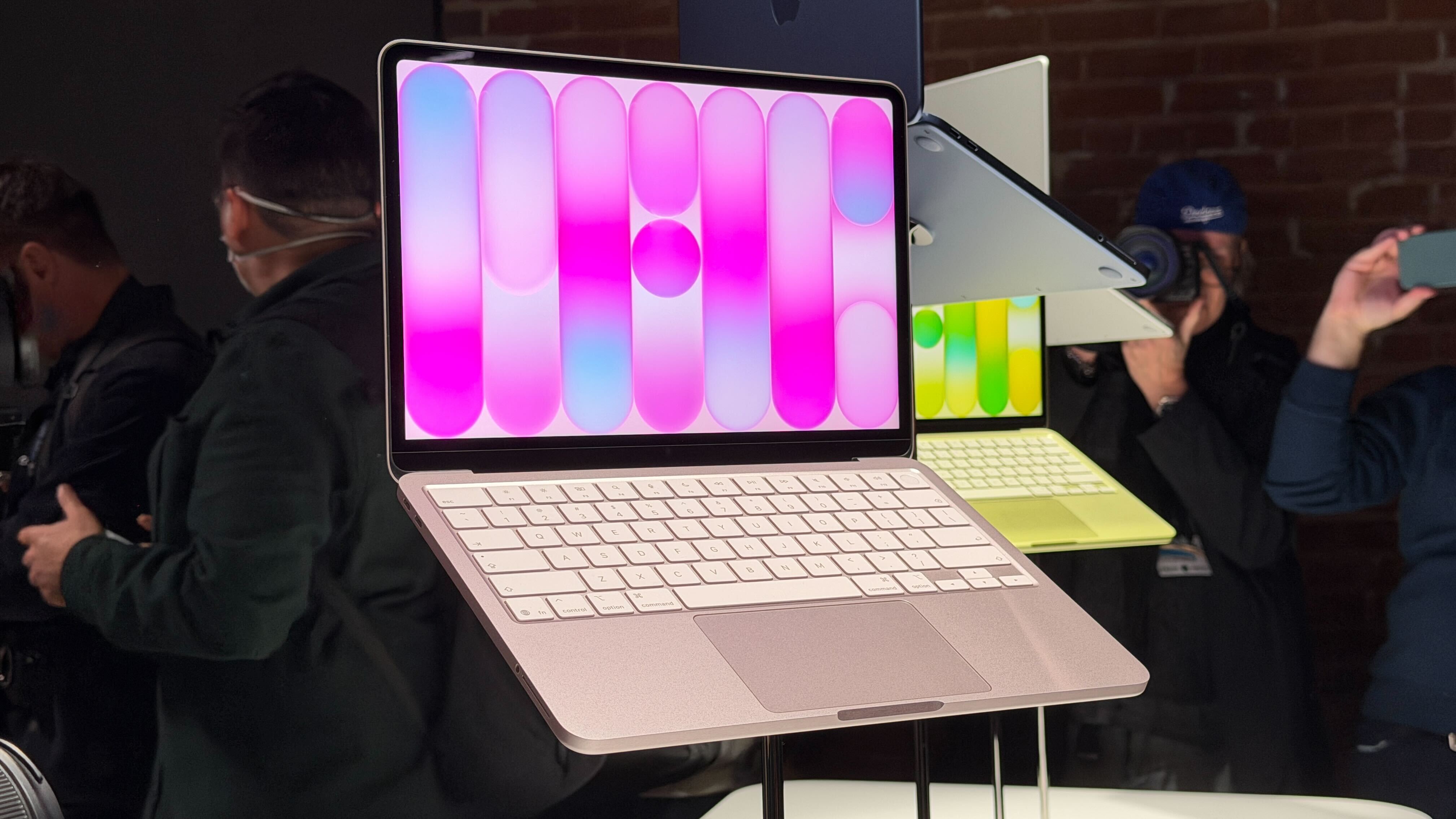
Competing with the MacBook Neo is clearly new territory for companies like Asus, because we’re not talking about just any old company: this is Apple, one of the most powerful technology companies on the planet, with considerable resources that allow it to develop and market competitive products.
Wu felt that the MacBook Neo had a weakness, in that it only comes with 8 GB of memory that cannot be upgraded, and that “this may limit some applications.” That’s true to an extent: in our review of the MacBook Neo, our editor found that “while you could launch Blender and work on complex 3D scenes, the Neo is going to struggle.
That said, Apple’s RAM uses a unified memory architecture with a shared memory pool, which, in simple terms, means it’s faster than typical PC RAM. Indeed, our review concluded that “overall, the MacBook Neo’s performance is very impressive for the price.”
Ultimately, Wu believes that “the entire PC system will launch corresponding products to compete with Apple.” And it certainly makes sense: Apple’s ability to bring premium quality to a budget device like the MacBook Neo means its competitors need to up their game. Cheap old laptops, with their flimsy plastic cases and mediocre performance, won’t cut it anymore.
The current RAM crisis could, however, hamper their ability to be competitive. During the earnings conference call, Wu noted that “memory prices increased more than 100% from the fourth quarter of last year to the first quarter of this year.” Once Asus’ existing stock is exhausted, “we will definitely need to adjust the prices of the final products to some extent to reflect this change,” Wu said.
While affordable laptops are no longer particularly affordable due to rising memory costs, that could be to Apple’s advantage. Given Apple’s enormous purchasing power, the company is able to demand lower RAM prices from its suppliers than some of its competitors, which insulates it somewhat from the component chaos.
As Wu’s comments made clear, Apple’s entry into the budget segment of the PC market has left its rivals in trouble. If PC makers want to improve their offerings to compete with Apple, it will benefit consumers around the world, whether they prefer Windows or macOS.
Follow TechRadar on Google News And add us as your favorite source to get our news, reviews and expert opinions in your feeds. Make sure to click the Follow button!
And of course you can too follow TechRadar on TikTok for news, reviews, unboxings in video form and receive regular updates from us on WhatsApp Also.


