
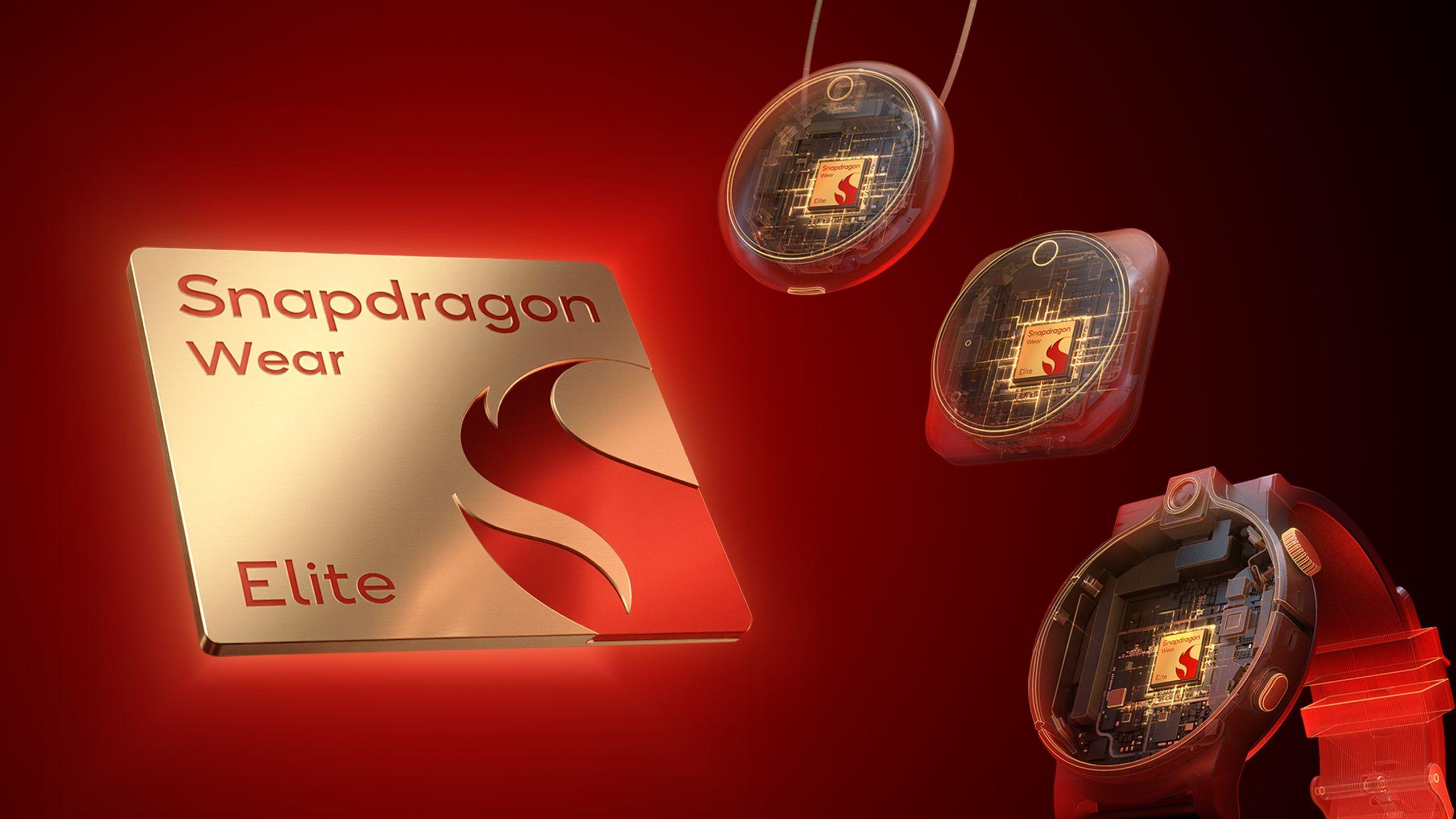
- Qualcomm unveils Snapdragon Wear Elite wearable platform
- This will likely be inside smartwatches and new AI form factors
- First devices expected later this year
Qualcomm’s Snapdragon chips already power many wearable devices, from the W5 Gen 2 in the Pixel Watch 4 to the AR1 Gen 2 chip in the popular Ray-Ban Meta glasses. However, at MWC 2026 – Mobile World Congress – Qualcomm is looking further ahead, both in the short term and in the years to come.
This future is centered around AI running directly on your devices. Qualcomm’s new Snapdragon Wear Elite platform is designed to deliver advanced on-device intelligence inside gadgets with limited space and battery, allowing features to work properly without relying heavily on the cloud. Samsung, Motorola and Google are already supporting the platform, with the first devices expected in the “coming months”.
To highlight the shift, Qualcomm is bringing its “Elite” branding – previously reserved for high-end smartphone chips, including those powering the Samsung Galaxy S26 line – to wearable devices for the first time. The platform is aimed at a wide range of devices, from smartwatches and smart glasses to emerging categories such as AI pins, pendants and other next-generation form factors.
Wear Elite has been in development for over three years and is built around four main priorities: on-device AI, battery life, connectivity and performance. A redesigned architecture includes a dedicated NPU capable of running large language models directly on the device, enabling always-on functionality without a constant internet connection. This could power everything from next-generation smartwatches – potentially the Pixel Watch 5 – to pendant-style devices that automatically transcribe meetings.
When connectivity is needed, Wear Elite supports a wide range of standards, including low-power Wi-Fi, Bluetooth, L1+L5 GPS, ultra-wideband, 5G, and GNSS. These options allow devices to sync data or communicate with other hardware while minimizing battery drain.
Efficiency is key for compact wearable devices, and Qualcomm says the platform delivers significant power improvements as well as charging speeds up to twice as fast as the previous generation.
Wear Elite is designed to enable always-on contextual features on devices like smartwatches, smart glasses, pins, and pendants by processing inputs like voice, location, motion, and even camera data. The goal is to support more personal AI assistants that understand what you’re doing and where you are throughout the day, offering quick help without constant intervention.
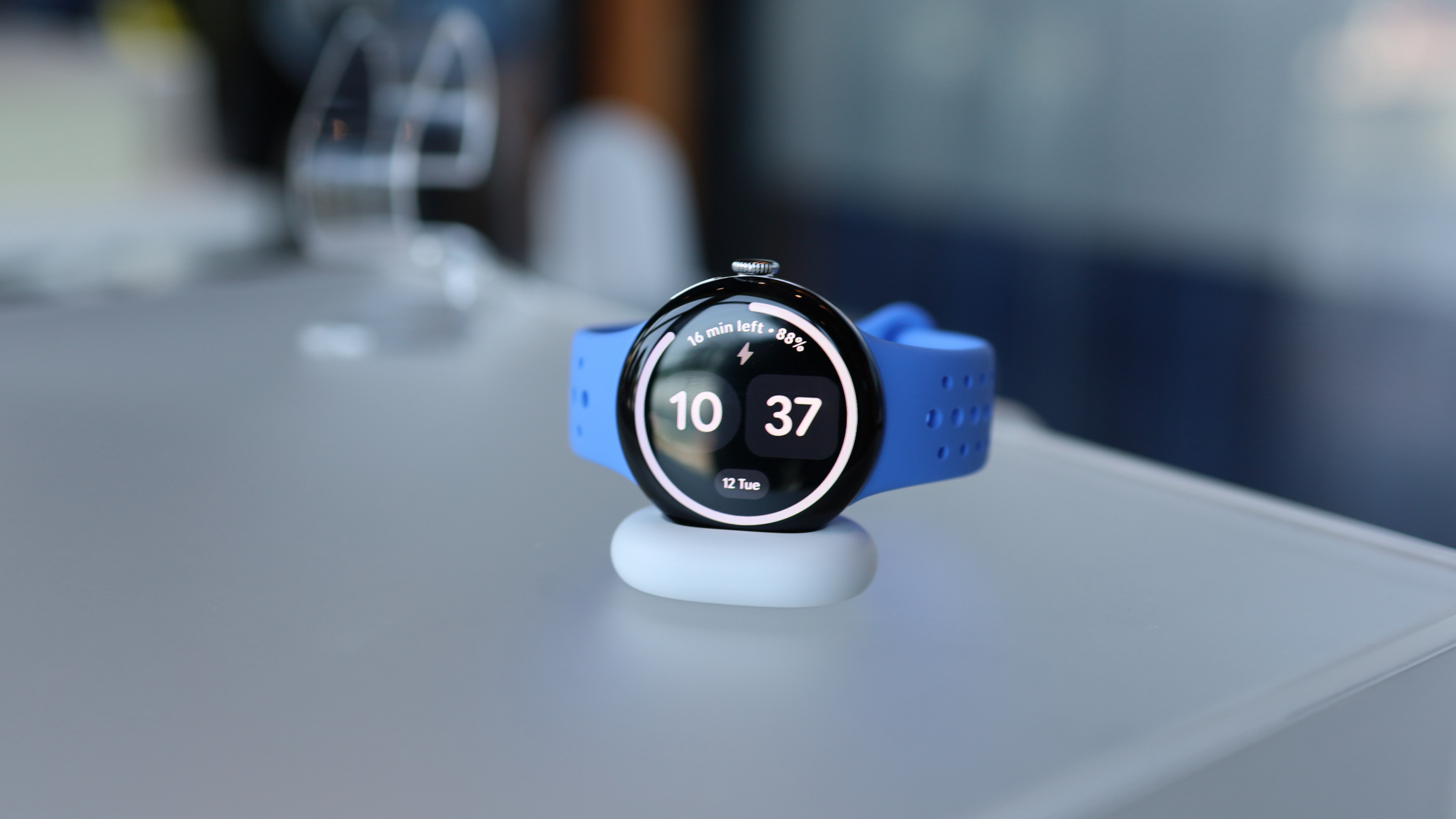
Naturally, the big question is when these devices will arrive – and what they will actually offer. Bjørn Kilburn, general manager of Wear OS by Google, said the platform opens the door to smarter experiences on future Wear OS devices, with a focus on gains in performance, battery life and connectivity.
Samsung has confirmed that its next-generation Galaxy Watch – likely the Galaxy Watch 9 expected this summer alongside the new Fold and Flip models – will use the Snapdragon Wear Elite chip.
Motorola, meanwhile, has highlighted its interest in more personalized AI wearables, including the “Maxwell” pendant concept shown at CES 2026, saying the platform allows the company to take these ideas further.
While Samsung and Google see Wear Elite as the future of smartwatches, it’s clear that Qualcomm is aiming well beyond the wrist. Motorola is exploring AI pendants, and new hardware from companies like OpenAI – apparently involving Sam Altman and Jony Ive – could introduce entirely new categories.
Whether Wear Elite will become the silicon powering these devices remains to be seen, but Qualcomm is clearly betting that the next wave of personal computing will be AI-driven, wearable, and far more diverse than today’s watches and glasses.
It’s also worth noting that Qualcomm’s Snapdragon Wear Elite will live alongside the Snapdragon W5, AR1, AR2, and S chips, likely the ones companies are relying on for watches, these new form factors, and even glasses.
Follow TechRadar on Google News And add us as your favorite source to get our news, reviews and expert opinions in your feeds. Make sure to click the Follow button!
And of course you can also follow TechRadar on YouTube And TikTok for news, reviews, unboxings in video form and receive regular updates from us on WhatsApp Also.


