
LAHORE:
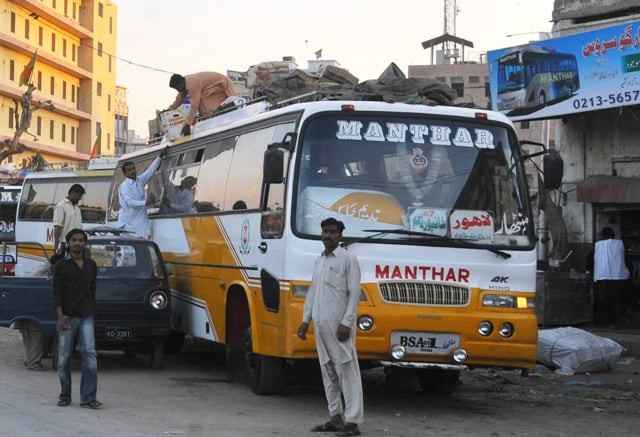
The sharp rise in oil prices has started to impact the country’s transport sector, pushing up fares for buses, rickshaws, taxis and railways and putting further pressure on commuters who are already struggling to keep pace with the rising cost of living.
Transport operators in several cities have started increasing fares on intercity and urban routes, citing rising fuel prices as well as rising maintenance and spare parts costs.
Public transport companies say the increases have become inevitable as operating expenses continue to climb, leaving them with no choice but to pass on the extra burden to passengers.
Public transport operators in several cities have increased fares by Rs 300 to Rs 600 on major intercity routes, citing rising fuel prices and higher vehicle maintenance costs.
In Lahore, transporters announced revised fares for several destinations. The fare from Lahore to Faisalabad has increased from Rs 1,200 to Rs 1,350, while the long-distance journey from Lahore to Karachi has increased from Rs 8,000 to Rs 8,600.
Similarly, the fare from Lahore to Sargodha increased from Rs 1,300 to Rs 1,550, from Lahore to Islamabad increased from Rs 2,600 to Rs 3,000 and from Lahore to Peshawar increased from Rs 2,890 to Rs 3,500.
Other routes also saw notable increases. Tickets from Lahore to Hyderabad increased from Rs 8,650 to Rs 9,200, while travel to Murree increased from Rs 2,790 to Rs 3,300. The fare from Lahore to Rahim Yar Khan increased from Rs 4,000 to Rs 4,250.
Short-distance travel has also become more expensive. The fares of non-air-conditioned buses from Lahore to Dipalpur increased from Rs600 to Rs750, while the fare from Lahore to Kasur increased from Rs120 to Rs150.
Urban commuters face similar pressure. Rickshaw fares in Lahore have increased by up to 30%, while taxi and ride-hailing services have increased prices by 25-30%, further straining household budgets already squeezed by inflation.
Revised rail fares
The impact also affected the railway sector. Pakistan Railways has announced that ticket fares for economy class passengers will increase by 5%, while air-conditioned classes will see a 10% increase. Freight train fares will increase by 20%.
According to a railway spokesperson, the revised fares will come into effect from March 9, although previously booked tickets will not be affected. Officials said the increase had become inevitable after the recent rise in diesel prices and operating costs.
The contested hike in the LHC
Meanwhile, the rise in oil prices has been challenged in the Lahore High Court (LHC).
A petition filed by the Judicial Activism Committee claims that the government has increased petrol prices by Rs 55 per liter, calling the move illegal and harmful to the public.
The petition claims that rising fuel prices will lead to higher costs in several sectors, including transport, electricity, agriculture and food. He also claims that oil marketing companies currently hold 15 days of fuel reserves, calling into question the rationale for the price increase.


