
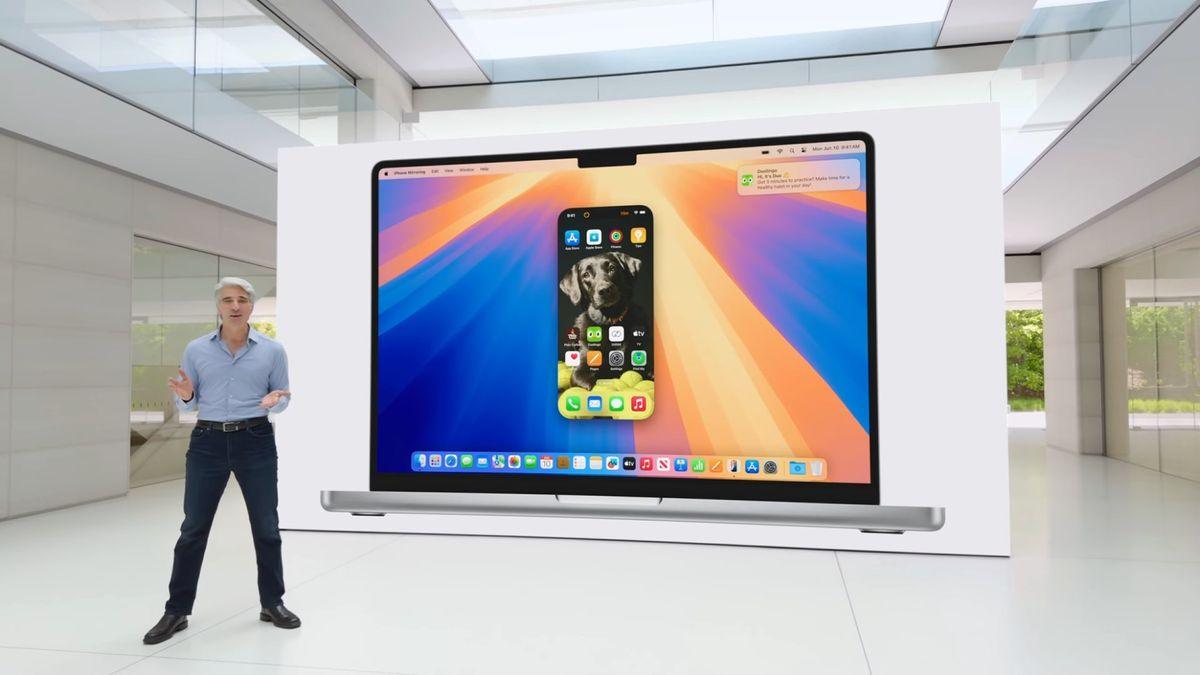
According to a new Bloomberg report.
The details are thin, but Mark Gurman de Bloomberg claims that there is an effort to unify the conceptions and the metaphors of use on these platforms, with a large part influenced, at least in part, by Visionos, which takes place in Vision Pro.
Apple’s costly mixed reality headset has not stormed the consumer world, but there can be something in interface metaphors, which are based on sight and gestures, which use Apple software designers.
Gurman says that part of the effort is to make the platforms similar. Of course, if you were to look at the safari or parameters icons on all platforms, you would already notice important similarities, the only differences being often if they are round or square icons.
It’s time to change
It has been a while that Apple has considerably changed iOS and macOS. The office platform experienced a major design update in 2020 with MacOS Big on (the same year as the first Mac Apple Silicon).
The latest revision of iOS dates back a decade, when it rubbed most of the original iPhone skeuomorphic design.
Skeuomorphism is the place where icons look like the thing they represent. The photos application was a photo of a flower. The Settings application was an almost touching trio of gear, the newsstand was a shelf filled with subscriptions, and the calendar looked so much like an old office calendar that you were tried to tear a page directly on the screen.
If you look at iOS today, you can see how flat and clean everything is, and it is above all the work of Jony Ive. The former Apple design chief loved a clean aesthetic, and starting with iOS 7, he succeeded.
This new effort could be an opportunity to bring these disparate platforms into a unified visual and functional set.
They should not appear and work in the same way, but there could be advantages by pushing them in this direction. This can be shocking if an action works in one direction on the iPhone and differently on the Mac, the iPad and even the pro vision.
One might hope that Apple Intelligence and a much smarter Siri (available on all platforms) could help a part of this confusion, but the integration process in the deepest part of each operating system has not been so fast or that we all expect it.
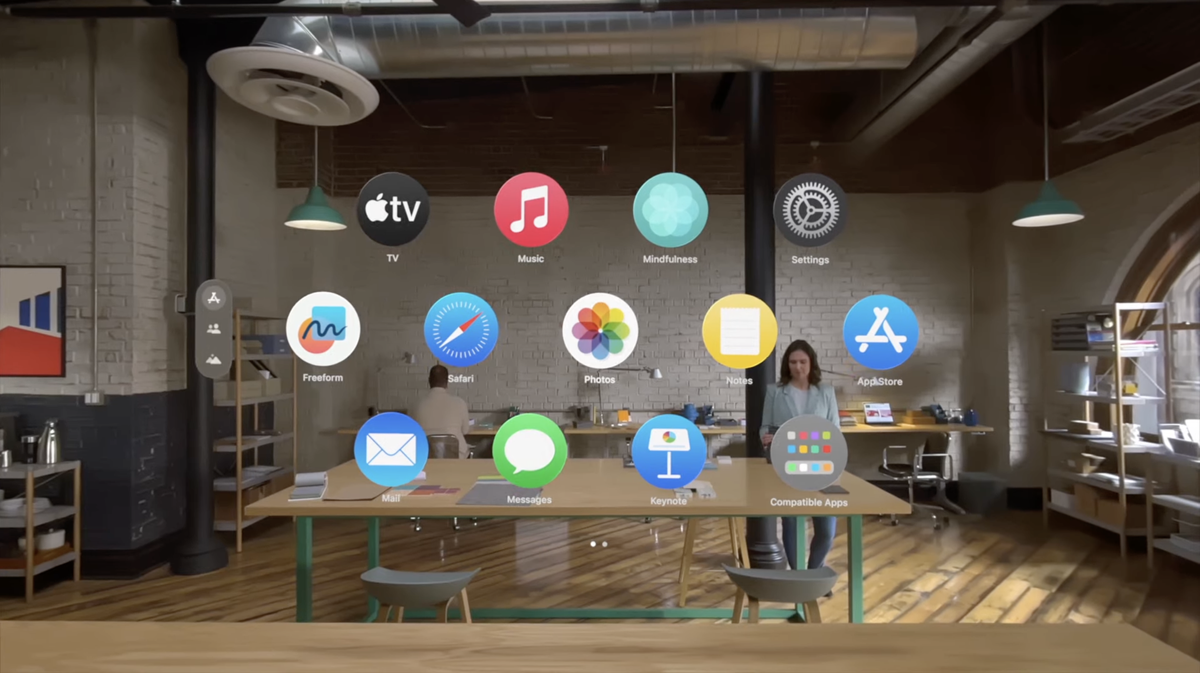
Can Apple find this Sweet Spot of Uniformity and Differentiation that makes sense for its vast base of user? Maybe.
And that wouldn’t bother us a little return to skeuomorphism. Having icons that resemble their goal is a form of stenography and will always help beginners to learn. The counter of this – and it is a just argument – is that when you design software to look like current hardware, the software is obsolete as soon as Progress puts these objects.
The fact that the “telephone” icon of our iPhone 16 Pro Max always looks like a telephone handset from the 20th century is almost comical. Gen Z has never seen or used a phone that looks like that.
Which brings me to another major question. Will the IOS 19 redesign will be so radical that it will delete this emblematic icon of the phone application? I hope not, but I suppose everything is possible.
Anyway, WWDC 25 seems to be a great moment for the Apple ecosystem. Of course, each platform sees upgrades during these events, but generally not on this scale.
Hold your iPhones, iPads and MacBook; This could be a wild visual ride.


