- The 2026 budget forecasts a deficit of 165 billion riyals.
- Saudi Arabia at the halfway point of the Vision 2030 strategy.
- The next phase of the Vision 2030 plan will focus on implementation.
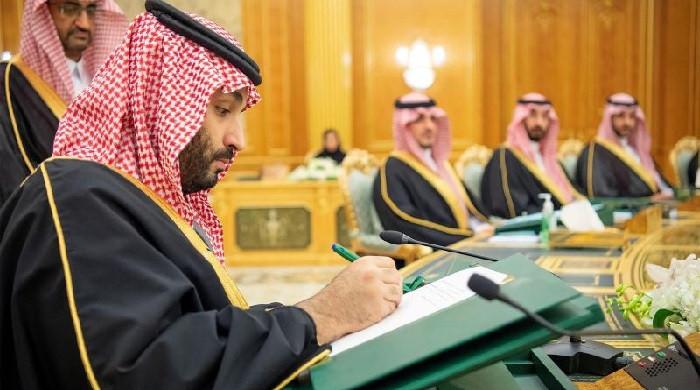
Saudi Arabia approved its 2026 state budget on Tuesday, projecting a narrower budget deficit as it shifts spending to priority sectors like industry and logistics in a bid to boost non-oil revenue.
The kingdom projects a deficit of 165 billion riyals ($44 billion), or about 3.3% of gross domestic product. That would be down from the 245 billion riyals estimated for this year, after falling oil prices and production weighed on revenues and spending exceeded the budgeted level by about 4 percent.
Saudi Arabia, the world’s top oil exporter, is more than halfway through its Vision 2030 economic transformation plan. The strategy, introduced by Crown Prince Mohammed bin Salman in 2016, calls for hundreds of billions of dollars in government investments to free the kingdom’s economy from its dependence on hydrocarbon revenues.
According to the budget, 2026 will mark the start of a “third phase” of Vision 2030, marking a shift in focus from initiating economic reforms to maximizing their impact.
The crown prince described the new phase as “accelerating the pace of progress and increasing growth opportunities to achieve lasting impact beyond 2030”, according to the official SPA news agency.
A change in expenses but few details
The change in tone comes as Riyadh prepares to refocus its $925 billion sovereign wealth fund from massive delayed real estate projects to sectors such as logistics, minerals, artificial intelligence and religious tourism.
“Our level of spending over the last three budget cycles has been consistent, but it is now about what we spend on rather than how much we spend,” said Finance Minister Mohammed Al Jadaan. Reuters before the publication of the budget.
The budget included some specific objectives for this new direction; However, beyond the target of more than 20 million foreign visitors for the Umrah pilgrimage to Mecca in 2026, this is a sharp increase from the 15 million pilgrims expected this year.
Saudi Arabia to experience “intentional deficit” until 2028, says Finmin
Total spending is expected to amount to 1.31 trillion riyals in 2026, lower than the 1.34 trillion riyals estimated this year. Total revenue is forecast at 1.15 trillion riyals, up slightly from the 1.1 trillion riyals estimated in 2025.
“This is an intentional deficit,” Jadaan said during a press briefing Monday. “We will have, by political choice, a deficit until (20)28.”
The expected jump in the deficit in 2025 to more than double the budgeted target of 101 billion riyals would bring the deficit to 5.3% of GDP, compared to an initial target of 2.3%.
This year’s revenue is estimated to be around 7.8% below the budgeted target, while expenditure is expected to increase by 4%.
Public debt is expected to reach around 1.5 trillion riyals by the end of 2025, or around 31.7% of GDP, from 1.2 trillion riyals in 2024, to help meet financing needs this year, the Finance Ministry said.
“The still low level of public debt provides room for this fiscal stance, although it is vulnerable to a further fall in oil prices,” said Monica Malik, chief economist at Abu Dhabi Commercial Bank.
Recalibrate to ensure projects are delivered
The Saudi government and the nearly $1 trillion Public Investment Fund have both undergone a review of project and spending priorities, Jadaan said. Reuters.
Some requests that seemed too ambitious in terms of timing or investment were scaled back to more reasonable goals, he said.
Reuters reported in October that the PIF was preparing to abandon the mega real estate projects that have dominated its development goals over the past decade.
Unlike this year’s spending package, Budget 2026 makes no mention of specific megaprojects such as NEOM or the Sindalah Island resort.
The PIF, like the Ministry of Finance, ensures that initial project plans “are recalibrated to ensure that they produce what they are supposed to produce,” Jadaan said.