
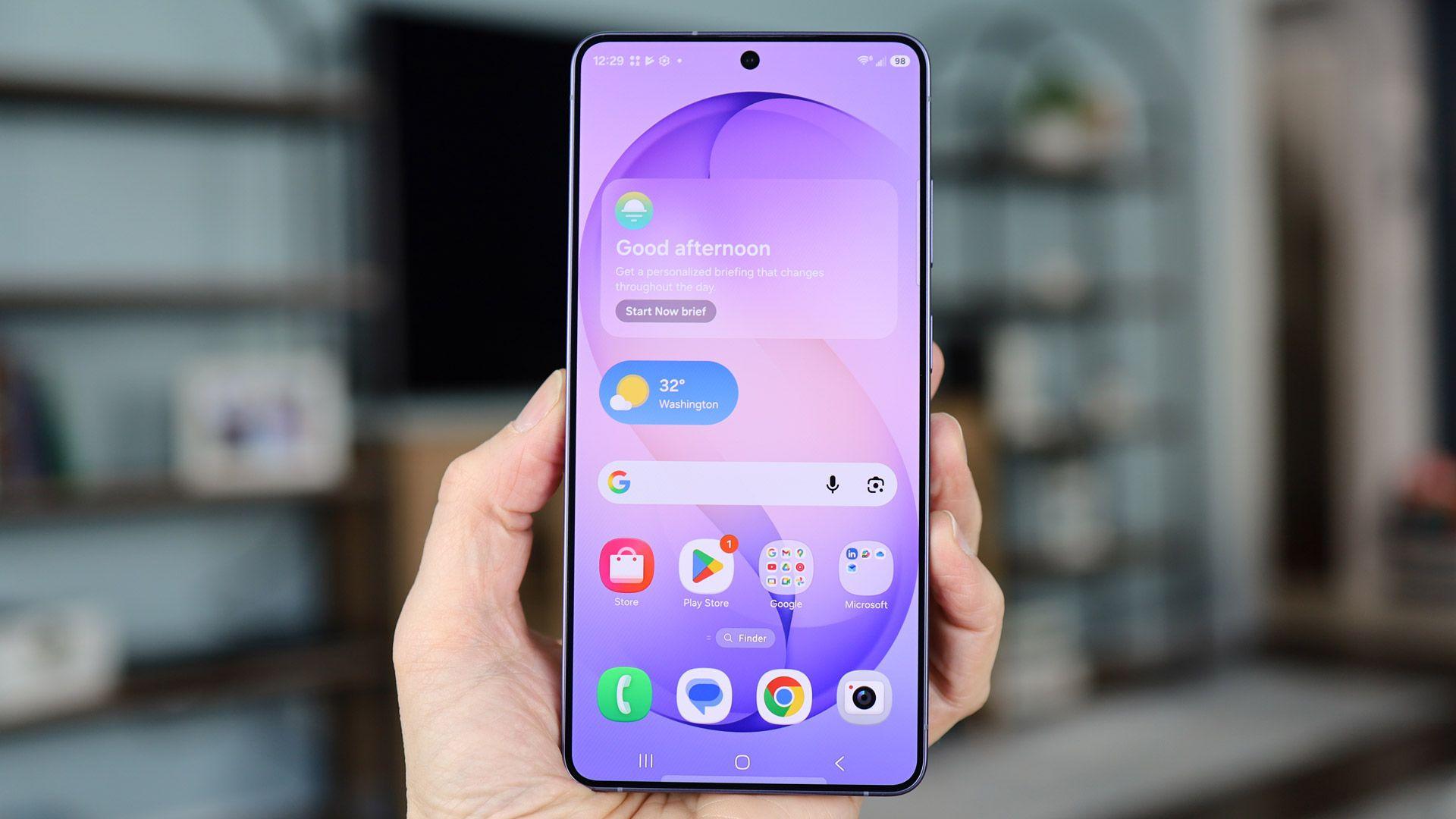
- Samsung recognizes the variation in brightness of the Galaxy S26 Ultra screen
- This is a product of the new privacy view feature
- This is unlikely to impact user experience
Is the Samsung Galaxy S26 Ultra screen slightly darker because of the new Privacy display technology? The short answer is yes. However, I just received the most thoughtful response from Samsung, and it definitely sheds light on the screen brightness controversy.
Last week I reported how, based on both benchmarks and my own tests, the Samsung Galaxy S26 Ultra’s 6.9-inch screen, when viewed at an angle, appears slightly less bright than the Galaxy S25 Ultra’s screen.
These tests confirmed the results of other technical publications and the results of our own Future Labs tests, which revealed slight variations in nits and color density, both of which favored the S25 Ultra.
Article continues below
When I wrote the story, I requested feedback from Samsung. He did not respond prior to publication, but has now provided me with an official statement that reads:
“Privacy Display is designed to protect user privacy by providing a vivid visual experience for using the phone under normal use cases. Some variations will be seen when the phone is held at certain angles and when set to maximum brightness, however, any impact on actual usage when holding the phone should be negligible.”
It’s real
Let’s start with the obvious. Samsung doesn’t deny that “some variation” will be seen, and it’s implicit in its statement that the Privacy Display (a pixel-level technology that hides your screen from prying eyes by looking at it from different angles) is to blame. Of course, the downsides are that the phone must be “held at certain angles” and it is also necessary to set it to maximum brightness.
I tend to agree with Samsung’s assessment, however, that the impact of these variations is negligible. I never noticed it during my first tests. To test the theory, I had to place it next to the S25 Ultra, make sure the brightness settings of the S26 Ultra and the older phone matched, and then view them at an angle to really see the difference in brightness.
Additionally, when I reduced the brightness as Samsung requested, I actually noticed less variation.
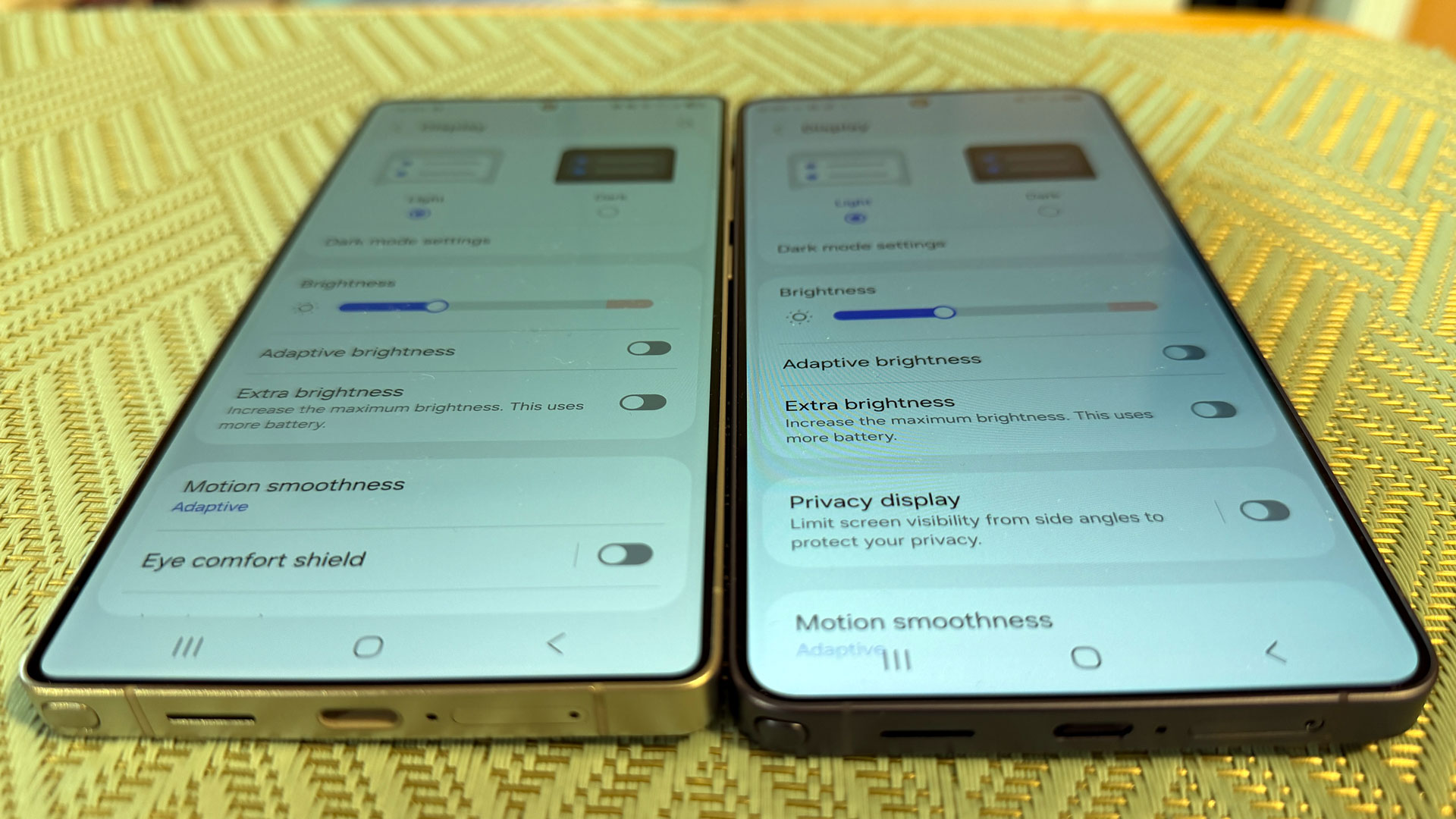
Is this the end of “PrivacyDisplayGate”? Probably. Although some on Reddit have reported nausea and eye strain from using Privacy Display, I experienced none of that despite spending hours using the flagship phone.
Ultimately, Privacy Display is one of the reasons I loved this phone, calling it in my review “a true display hardware innovation unmatched in any other modern smartphone.” Even though it reduces the screen brightness a bit, I think it’s worth it, and I stand by my rating of the Samsung Galaxy S26 Ultra.
Do you own a Galaxy S26 Ultra? What was your experience? Tell us in the comments below.
Follow TechRadar on Google News And add us as your favorite source to get our news, reviews and expert opinions in your feeds. Make sure to click the Follow button!
And of course you can also follow TechRadar on YouTube And TikTok for news, reviews, unboxings in video form and receive regular updates from us on WhatsApp Also.


