
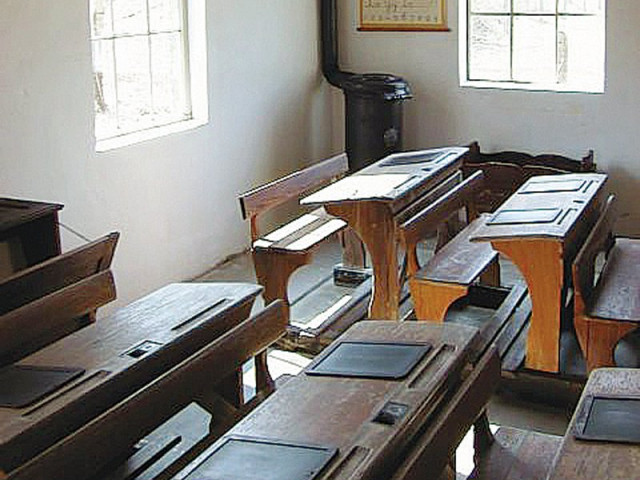
The Ministry of Education encourages institutions to continue their studies via virtual platforms
QUETTA:
In a bid to address the growing national fuel shortage triggered by global supply disruptions, all public and private educational institutions in Balochistan were closed from March 9 to 23.
The decision, outlined in an official notification issued by the Balochistan Education Department, suspended classes in schools, colleges and universities in the province. The move aligns with federal government instructions to reduce fuel consumption nationwide amid rising global oil prices and import challenges linked to regional tensions in the Middle East, including disruptions related to the Strait of Hormuz.
Officials said the temporary shutdown was aimed at achieving significant fuel savings, especially in Quetta, where cold weather and long-distance travel contribute significantly to gasoline and diesel consumption through transportation of students and staff.
Learn more: Punjab CM announces closure of educational institutions till March 31, imposes fuel restrictions on civil servants
A government spokesperson described the move as a necessary short-term measure taken in the national interest to promote energy conservation and support economic stability.
“The closure is a temporary measure that will help strengthen the country’s energy security and reduce fuel consumption,” the spokesperson said, adding that similar winter breaks aimed at saving fuel had been implemented in the past.
The move comes amid concerns over Pakistan’s dwindling fuel reserves. Reports suggest that existing stocks of gasoline and diesel may last only about 25-28 days, prompting authorities to consider emergency measures such as work-from-home arrangements, expanded online operations and other austerity measures in various sectors.
While the initiative has been hailed by some as a responsible approach to managing national resources and promoting environmental balance, it has also drawn mixed reactions.
Parents and education experts have expressed concern about potential disruptions to students’ learning, particularly in the run-up to exams.
A school principal in Quetta, speaking on condition of anonymity, warned that the closure could slow academic progress and urged authorities to ensure effective alternatives, such as online classes.
Learn more: KP cuts fuel allocations by 25% as cabinet unveils two-month energy saving plan amid Middle East crisis
In response, the Ministry of Education encouraged institutions to continue academic activities through virtual platforms, online assignments and assignments during the closure period to minimize disruption to the curriculum.
The closure applies exclusively to educational establishments. Government offices, hospitals and other essential services will continue to operate normally.
Residents were also asked to cooperate in conservation efforts by limiting unnecessary travel and staying home when possible to help reduce fuel consumption.
For more information, the public is advised to visit the official website or helpline of the Balochistan Education Department.
The decision is part of a broader provincial and national response to the energy crisis. Punjab also announced an extension of school closures till March 31 as part of similar fuel-saving measures.
Authorities hope the measures will help stabilize fuel supplies while minimizing long-term disruption to the education sector.


