
Poor air quality affects more than 20 million people and reveals gaps in long-term pollution control
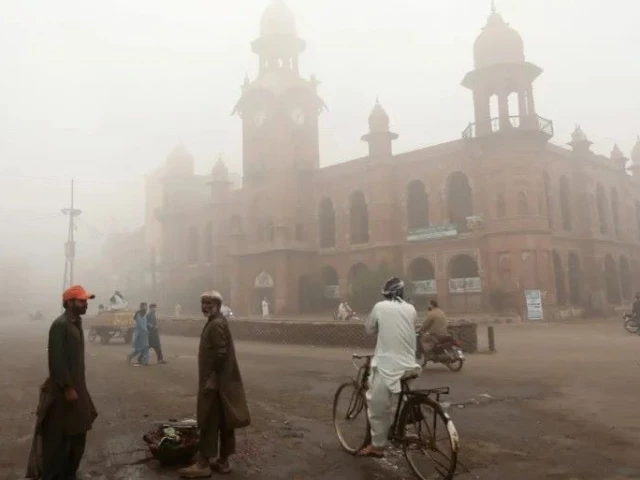
A view of smog in the Punjab province. PHOTO: AFP
LAHORE:
More than 20 million people in Punjab were affected by smog and hazardous air quality in 2025, turning the winter months into a prolonged public health crisis.
Lahore was hardest hit, with more than 600,000 residents seeking medical treatment for illnesses directly linked to the smog. Other major cities, including Faisalabad, Multan, Rawalpindi and Gujranwala, have collectively reported more than 1.8 million cases, according to health authorities.
Children, the elderly, daily wage laborers and those with pre-existing conditions were most vulnerable. Hospitals and clinics have seen a rise in respiratory illnesses, with thousands of people reporting asthma attacks, chronic bronchitis, pneumonia and persistent coughs.
Doctors have also noted a worsening of chronic illnesses such as heart disease, diabetes and glaucoma, as prolonged exposure to polluted air puts a strain on already fragile health.
Eye-related complaints were widespread, with patients suffering from burning, tearing, redness and dry eyes. Throat irritations, skin allergies and cardiovascular complications also increased sharply during peak smog periods. Lahore frequently recorded dangerous levels of air quality index throughout the winter, repeatedly exceeding limits set by the World Health Organization.
Experts have attributed the crisis to a combination of factors, including emissions from more than 10 million registered vehicles, industrial pollution, construction dust and seasonal stubble burning. Cold winter temperatures and stagnant air trapped pollutants close to the ground, allowing smog to persist from October to February across much of the province.
Data from the Health Ministry highlighted the scale of the problem beyond Lahore. Faisalabad has recorded around 400,000 cases of asthma, chronic bronchitis and skin allergies. In Multan, around 350,000 people sought treatment for pneumonia, throat irritation and eye problems. Gujranwala reported 300,000 cases of asthma, bronchitis and cardiovascular problems, while Rawalpindi saw 250,000 patients suffering from respiratory infections, eye problems and throat irritation.
Sialkot has documented around 200,000 cases of chronic cough, eye irritation and skin allergies. In other cities, an estimated 8.9 million people suffered from a combination of respiratory and heart diseases.
As visibility decreased and hospital visits increased, the Punjab government implemented emergency measures. Markets and schools were temporarily closed, factories were closed, water was sprayed on roads and construction sites and traffic restrictions were imposed to reduce emissions. Air quality monitoring was expanded in Lahore and other cities, while public advisories urged residents to stay indoors, wear masks and limit outdoor activities during days of heavy smog.
Health experts have warned, however, that these short-term measures are not enough. They highlighted the need for sustainable solutions, including stricter controls on industrial emissions, better fuel standards for vehicles, improved public transport and effective combatting agricultural burning.
Department of Environmental Protection officials have warned that repeated exposure to fine particles such as PM2.5 can cause irreversible damage to the lungs, eyes and heart, turning smog into a chronic threat rather than a seasonal problem.


