
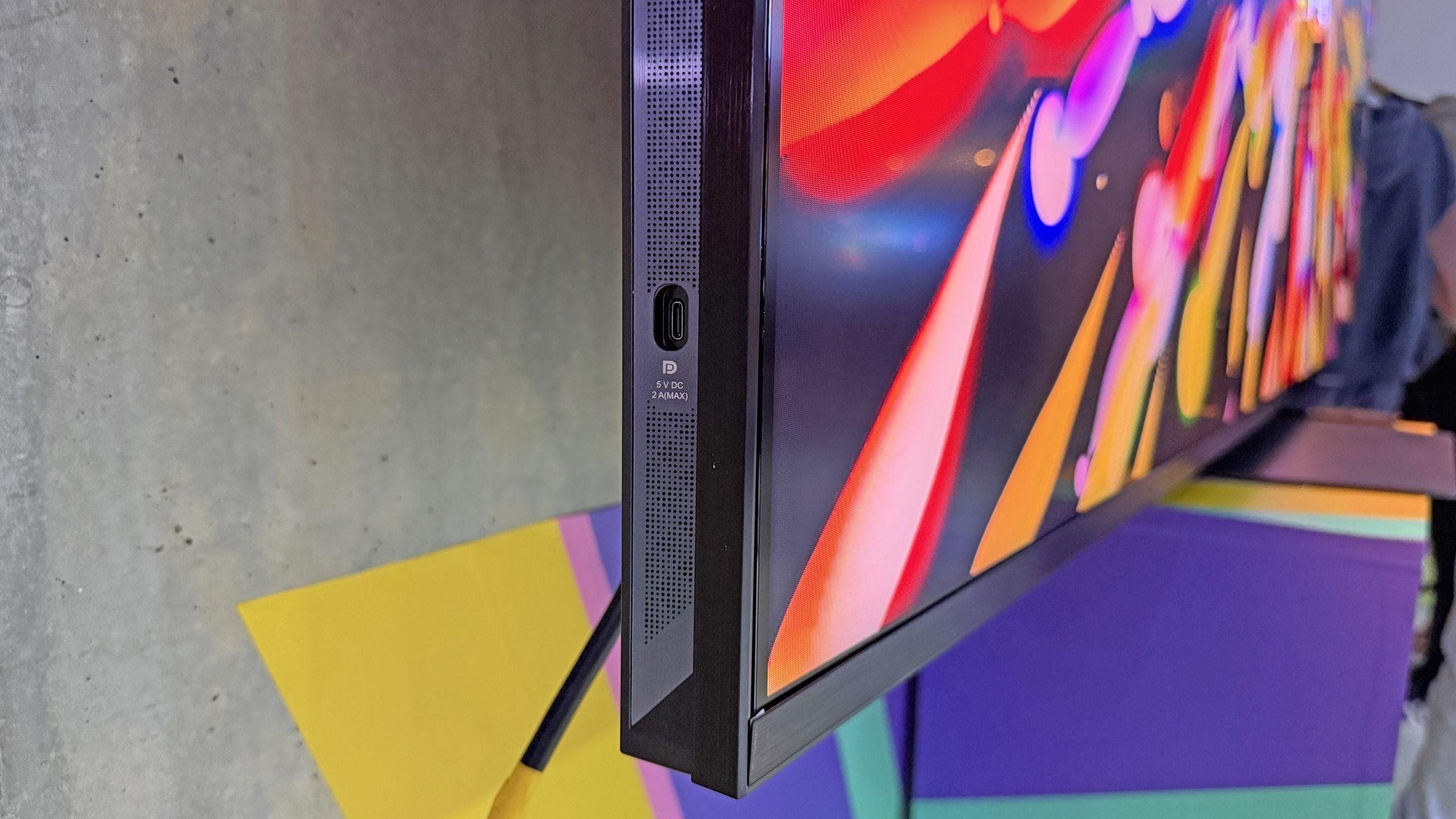
I just attended a demo of the new Hisense 2026 TVs, and while discussing the new UR9 RGB TV, an unusual feature jumped out at me: it has a DisplayPort connection. It’s not a full-size DisplayPort port, but it is a USB-C port with full DisplayPort support and branding.
HDMI has obviously dominated the world of TV inputs, but DisplayPort remains the most common output on GPUs – and preferred by PC enthusiasts in many cases. In general, it seems more hassle to include DisplayPort than it’s worth on most TVs, so it’s just never present – which is why this one obviously caught my eye.
Article continues below
First, the set has 3 HDMI 2.1 ports, not 4 like most high-end TVs. This was also true for the Hisense U8QG last year – this appears to be the result of the particular connection control chip used by Hisense.
But the second thing is that it’s an RGB-backlit mini-LED TV, and Hisense says it should be able to achieve over 100% of the BT.2020 pro color space, and it’s also Pantone validated (although the latter doesn’t mean much – Hisense’s most affordable TVs also have this rating).
So there could be an element of Hisense aiming to include DisplayPort for maximum color depth for creatives who want to utilize the displays’ wide color support. We’ll have to wait and see if the TV will achieve the claimed color value – there are several ways to measure color space, and the Hisense UX116 released last year with RGB technology achieved 92.6% of the BT.2020 space in our tests. It is path better than regular mini-LED TVs, which tend to max out around 75-78%, but that’s obviously not quite 100%.
The only potential problem for gaming and creative use is the size of the TVs: the UR9 series will be available in 65-inch, 75-inch, and 85-inch sizes, with 100-inch also available in the US. This means that it is not suitable for the office, but could still have potential for both.
I think PC gamers looking for a couch setup will find this the most interesting. You’ll have the option to use the HDMI ports for any AV connectivity you actually need. need HDMI, and you can get the most out of high refresh rates over DisplayPort.
The TV supports AMD FreeSync, and while Hisense hasn’t confirmed it for this model, most of its mini-LED sets are G-Sync compatible, but are not G-Sync certified.
Its TVs generally have pretty low latency when we measured them, and they have easy-to-use gaming menus for adjusting settings.
But the other tempting factor is that mini-RGB LED technology isn’t available in monitors at the moment, and it’s a really interesting new technology. It uses an LCD panel with a mini-LED backlight, but the backlight is not a single color: each light element has red, green and blue LEDs, so effectively a low-resolution version of the image is created by the backlight, and then the LCD layer adds color filtering and final detail.
It is theoretically more efficient than regular mini-LEDs, while having a wider color gamut and potentially less visible blooming from light to dark areas.
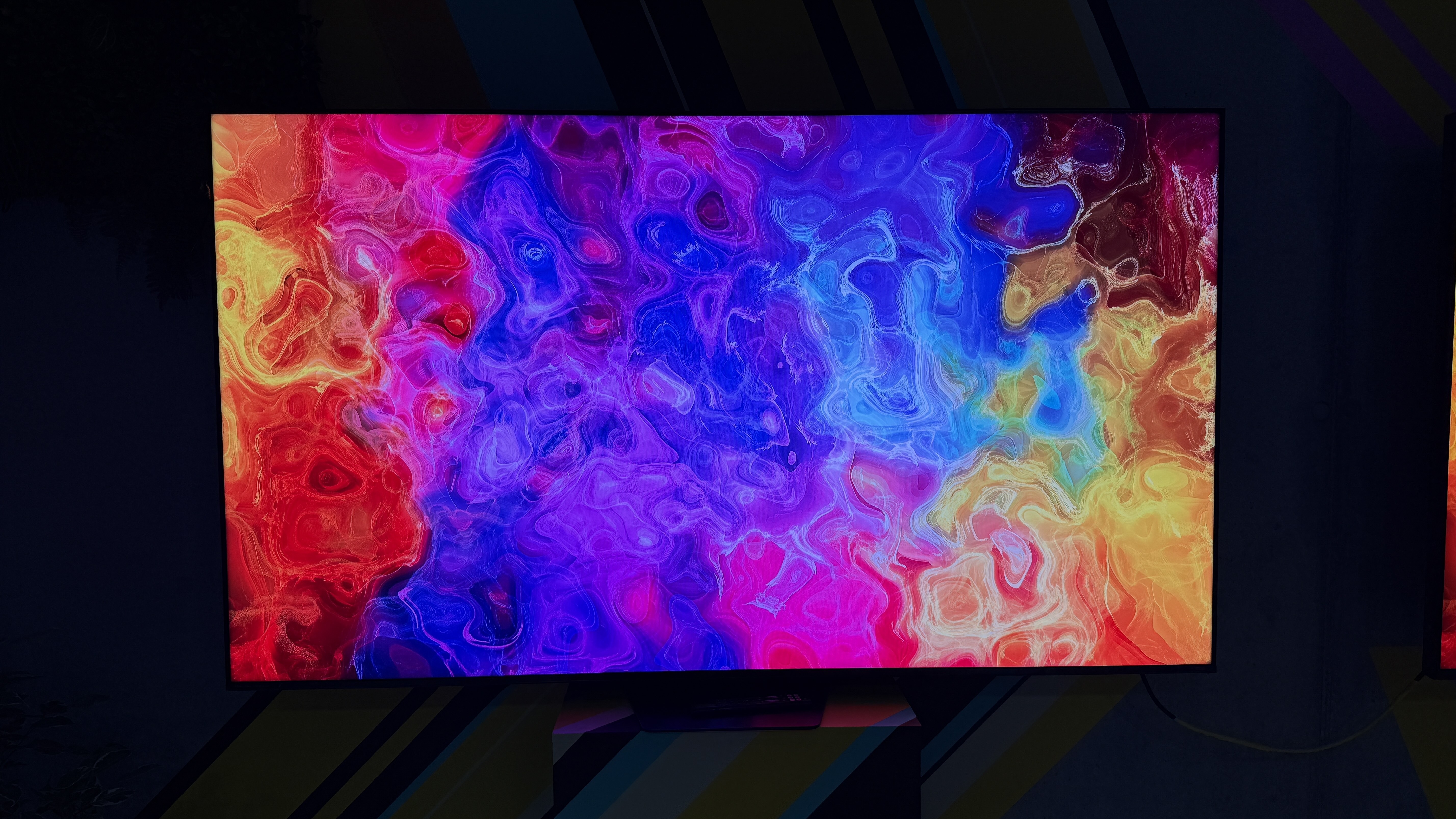
And it’s much brighter than OLED, and this TV has a slightly matte anti-glare coating to help it perform well in brighter rooms, if you’re gaming during the day.
Having a DisplayPort option won’t be a game-changer for most people, but it’s so rare that I had to point it out – and it’s particularly interesting that this is a TV technology you can’t get in a smaller version, so the UR9 offers something unique.
However, it won’t be cheap: in the US, the 65-inch model is officially priced at $3,499. We don’t have UK or Australian pricing yet, but that works out to be around £2,650 / AU$5,080.
Are you planning to buy a new television?
Try our TV size and model finder! You tell it how far you’re sitting from your TV, we’ll tell you what size to buy based on viewing angle advice from picture quality experts, and we’ll recommend our three best TVs of that size at different prices.
Follow TechRadar on Google News And add us as your favorite source to get our news, reviews and expert opinions in your feeds. Make sure to click the Follow button!
And of course you can also follow TechRadar on YouTube And TikTok for news, reviews, unboxings in video form and receive regular updates from us on WhatsApp Also.


