
.
Pakistan has sent the first batch of quality rice to Dhaka as direct trade between the nations has resumed. PHOTO: FILE
ISLAMABAD:
On February 9, the Pakistani military’s media wing issued a statement marking the conclusion of the multinational exercises. The document was accompanied by a series of images. One photograph stands out, however: Field Marshal Syed Asim Munir alongside a contingent of the Bangladeshi army. It wasn’t just optics. It symbolized the quiet but undeniable transformation underway in Pakistan-Bangladesh relations.
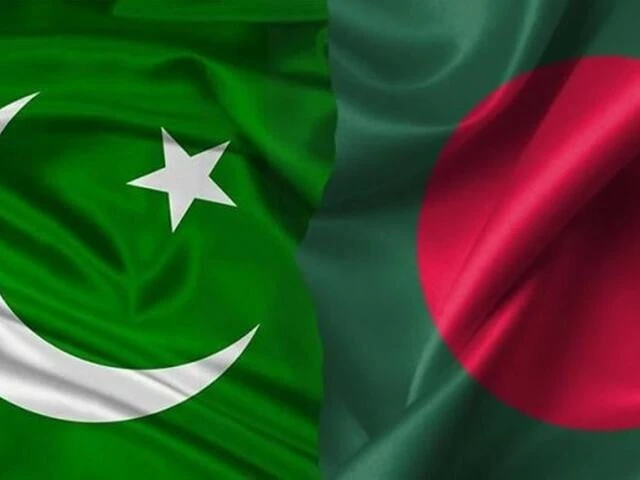
Just two weeks earlier, the two countries had resumed direct flights after a 14-year hiatus. Last year, DPM/FM Ishaq Dar visited Dhaka, the first visit by a Pakistani foreign minister in 13 years. Several high-level exchanges followed, highlighting the renewed heat.
Such a development would have been unthinkable a few years ago. During Sheikh Hasina’s 15-year rule, Bangladesh virtually closed the door to any meaningful rapprochement with Pakistan. The Awami League government forged exceptionally close ties with India, prompting critics to argue that New Delhi, not Dhaka, had become the ultimate seat of influence.
This calculus changed dramatically in August 2024, when Hasina was ousted following a violent uprising led by Bangladeshi students. The change has been tectonic. Many young Bangladeshis have accused India of supporting increasingly authoritarian rule and undermining democratic institutions. Their anger intensified when New Delhi sheltered the fleeing Hasina and continued to protect her despite repeated calls for extradition.
Amid this reset, Bangladesh’s ties with Pakistan have intensified. The caretaker government reversed years of restrictions on Pakistani diplomats, eased visa restrictions and removed export barriers. Calls are growing in Bangladesh for closer defense cooperation. The Bangladesh Air Force chief recently visited Islamabad, where discussions reportedly focused on a possible JF-17 fighter jet deal. Initiatives that once seemed politically impossible are now firmly on the table.
In this context, Thursday’s historic elections in Bangladesh had not only national significance but also profound geostrategic implications. The Bangladesh Nationalist Party (BNP), marginalized during Hasina’s tenure, won the polls with a two-thirds majority. The previously banned Jamaat-e-Islami gained parliamentary representation for the first time in years.
Tarique Rahman, who returned from exile a few days before the vote, is expected to become the next Prime Minister of Bangladesh. The son of former Prime Minister Khaleda Zia and the late President Ziaur Rahman, Tarique represents a political tradition historically more open to balanced regional engagement.
Indian Prime Minister Narendra Modi was quick to call Tarique Rahman to congratulate him, an early sign that New Delhi wants to maintain its influence in Dhaka despite the recent turmoil.
What this means for Pakistan and the region
Under the rule of the Awami League, Pakistan struggled to repair ties. Hasina repeatedly linked normalization to a formal apology for the events of 1971. Islamabad maintained that its leaders had already expressed regret and argued that the issue was settled under the 1974 tripartite agreement signed by Pakistan, India and the newly formed Bangladesh.
The return of the BNP changes the situation. Historically, Pakistan-Bangladesh relations were relatively smoother under BNP-led governments. But experts warn against simplistic assumptions. Tarique Rahman is unlikely to pursue anti-India or anti-Pakistan policies. Bangladesh’s economic growth and strategic situation require a pragmatic and multi-vector foreign policy.
Pakistan, however, appears to have a relative advantage at this stage. Public opinion in Bangladesh has changed, especially among young people. Defense cooperation, trade, connectivity and people-to-people exchanges are growing. If carefully nurtured, these openings could institutionalize a more lasting partnership.
For India, the challenge will be one of recalibration rather than confrontation. Bangladesh remains too important, geographically, economically and strategically, for New Delhi to lose ground. Expect India to step up its diplomatic efforts and economic incentives to preserve its stakes.
The picture that is emerging does not suggest a zero-sum competition but a rebalancing. Tarique Rahman’s Bangladesh is likely to diversify its partnerships, reduce its excessive dependence on a single power and assert greater strategic autonomy.
For Pakistan, the opportunity is real, but so is the test. Transforming symbolic gestures into lasting cooperation will require patience, sensitivity to history and a forward-looking agenda. If handled wisely, the image of the Pakistani army chief alongside Bangladeshi troops may well be remembered as more than a photo op, it could mark the start of a new regional alignment in South Asia.


