
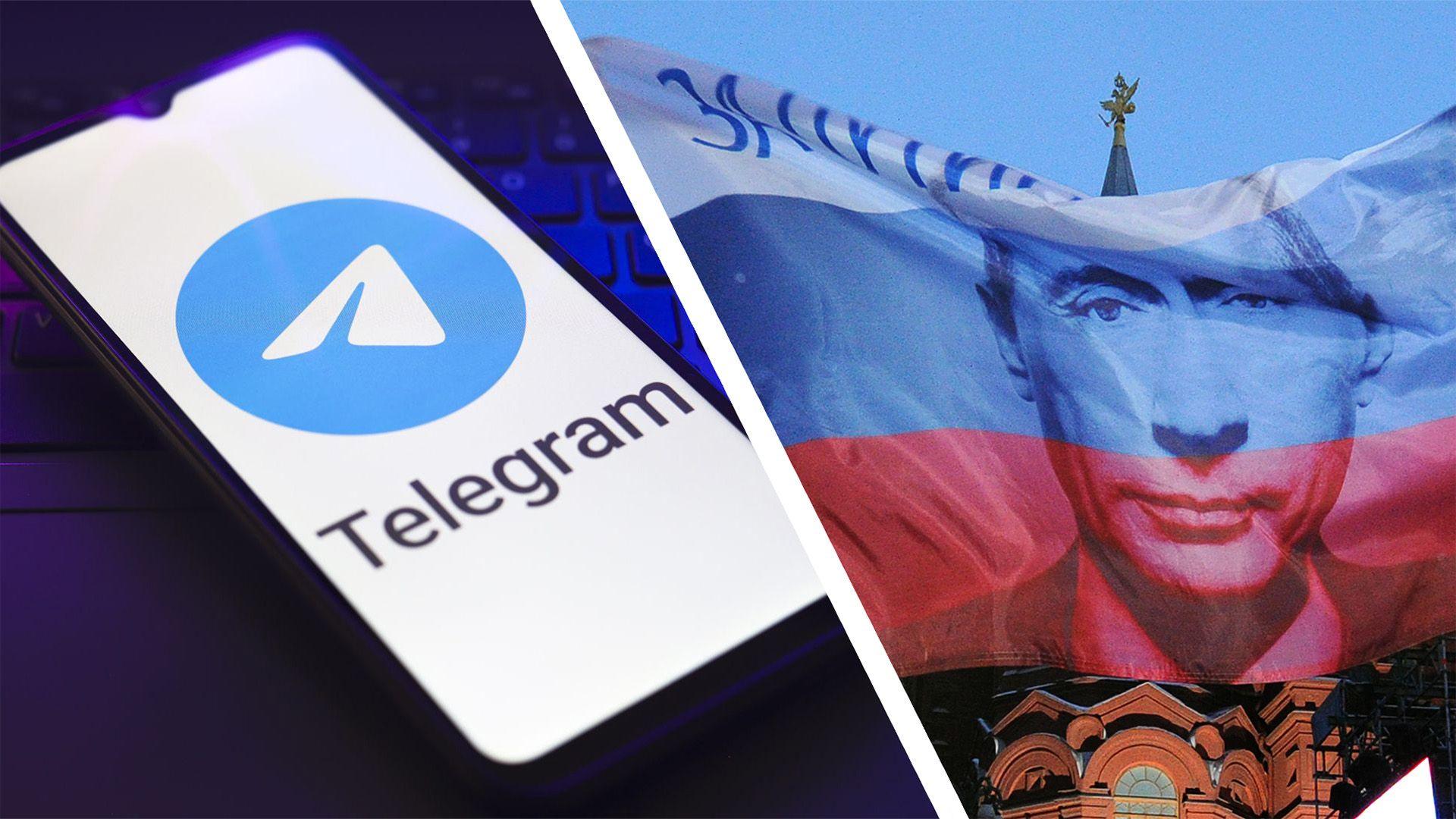
- Telegram CEO publicly condemns app restrictions in Russia
- Pavel Durov vows to continue fighting Russian censors ‘no matter the pressure’
- Russian AmneziaVPN confirms “huge wave of new users”
Telegram CEO Pavel Durov sharply criticized the Kremlin’s decision to restrict access to the messaging app in Russia, vowing to resist government censorship “no matter the pressure.”
This statement follows an increase in reports from Russian users experiencing significant slowdowns and connectivity issues.
The disruption was officially confirmed by Russian communications regulator Roskomnadzor, which announced the implementation of “consistent restrictions” on the platform.
The regulator accused Telegram of failing to protect personal data or take adequate measures to combat criminal activity on the service. However, Durov rejected these justifications, saying it was an “authoritarian move.”
Russia is restricting access to Telegram to force its citizens into a state-controlled app designed for surveillance and political censorship. This authoritarian decision will not change our course. Telegram is all about freedom and privacy, no matter the pressure.February 10, 2026
“Russia is restricting access to Telegram to force its citizens to use a state-controlled app designed for surveillance and political censorship,” Durov wrote on
Durov also compared current Russian restrictions on Telegram to those implemented in Iran eight years ago, saying a state-imposed ban will not stop citizens from using the app.
“Iran tried the same strategy – and failed,” notes Durov, adding that many Iranians still use the app.
The transition to VPN services and other censorship circumvention tools is already underway in Russia. AmneziaVPN, a provider known for its censorship-resistant tools, confirmed to TechRadar that it is seeing a “huge surge of new users” for its free service, AmneziaFree.
A sign of growing censorship
The latest restrictions were not unexpected to those who monitor developments in the country’s censorship apparatus.
Mazai Banzaev, founder and architect of Amnezia VPN, told TechRadar: “Amnezia had been preparing for possible Telegram blocks for about six months,” adding that he was “surprised that it happened so late.”
Banzaev says these disruptions are a clear indicator of the Kremlin’s long-term goal: decoupling Russia from the global Internet.
“Technically, Roskomnadzor appears ready to block all major global services and cloud platforms, including Google, Amazon, Cloudflare and others,” he warned.
VPNs are also a target
As more Russians turn to VPNs to escape these restrictions and maintain their access to Telegram, using a VPN in the country is becoming increasingly difficult.
Russia’s fight against circumvention tools has has entered a new phase, characterized by massive investments in AI-based deep packet inspection (DPI) and a stricter legislative environment.
Although Telegram offers its own built-in proxy system, Banzaev says that using a high-quality VPN remains the most convenient solution for the average user.
“In reality, only a small number of users are willing to manually configure proxies and manage Telegram settings,” he said.
Since the effectiveness of specific protocols can fluctuate daily, it’s worth downloading multiple apps so you can switch between them in the event of a disruption. If you’re looking for a free and reliable VPN, it’s worth checking out our guide to the best free VPNs.


