
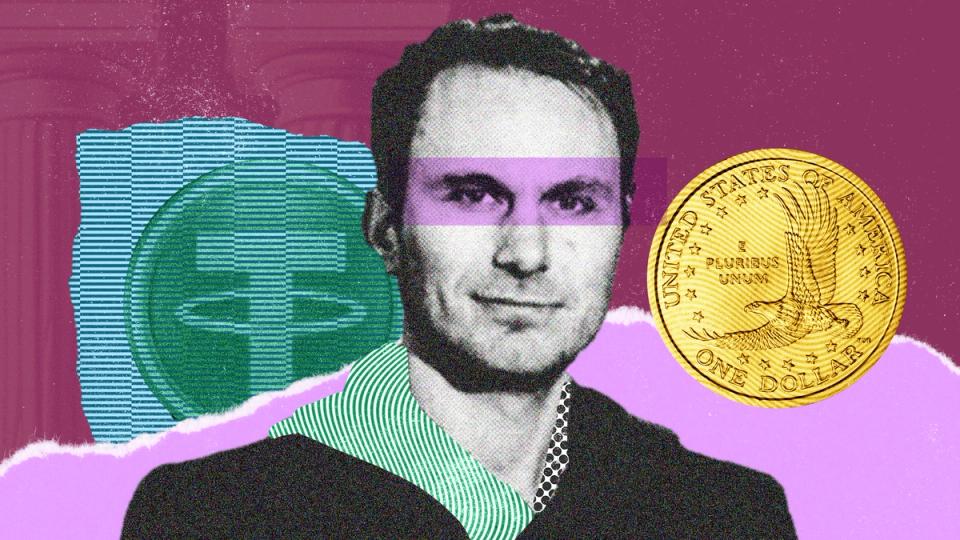
Tether has quietly pulled out of plans to raise up to $20 billion in new capital after facing investor resistance to a valuation proposal that would rank the stablecoin issuer among the world’s most valuable private companies, according to an FT report published on Wednesday.
The company, which issues the USDT stablecoin with more than $185 billion in circulation, had explored a funding round last year that could have valued Tether at around $500 billion, according to people familiar with the negotiations.
Advisors have since considered raising closer to $5 billion, a sharp drop from previous discussions, with investors questioning both the size of the deal and its valuation.
Chief Executive Paolo Ardoino said the higher figures had been misunderstood, calling the $15 billion to $20 billion range a ceiling rather than a target.
“This figure is not our goal,” Ardoino said in an interview with the FT. “If we sold zero, we would also be very happy. »
Tether’s fundraising campaign has attracted attention because the company is already highly profitable and has a limited operational need for external capital. Ardoino said the company generated about $10 billion in profits last year, largely from interest earned on assets backing USDT, and added that insiders were reluctant to sell shares.
Still, potential investors have expressed concerns about a valuation that would place Tether alongside the likes of SpaceX, ByteDance and major artificial intelligence companies. Some also pointed to regulatory risks and long-standing questions about reserve transparency as sticking points.
Tether has faced scrutiny since its inception due to the quality of its reserves and the use of USDT in illicit activities. Although the company now publishes quarterly certificates from BDO Italia, it has not yet published a full audit. Last year, ratings agency S&P Global lowered Tether’s reserve assessment, citing increased exposure to assets such as bitcoin and gold.
But Ardoino defended the company’s approach, saying Tether’s profitability compares favorably to loss-making AI companies with similar valuations.
“If you think an AI company is worth $800 billion with a huge minus sign in front of it, be my guest,” he said.
Tether’s growing footprint in U.S. Treasuries and gold has made it one of the most important bridges between traditional finance and digital assets — a role that continues to attract attention even as investors debate the company’s value.


