
ISLAMABAD:
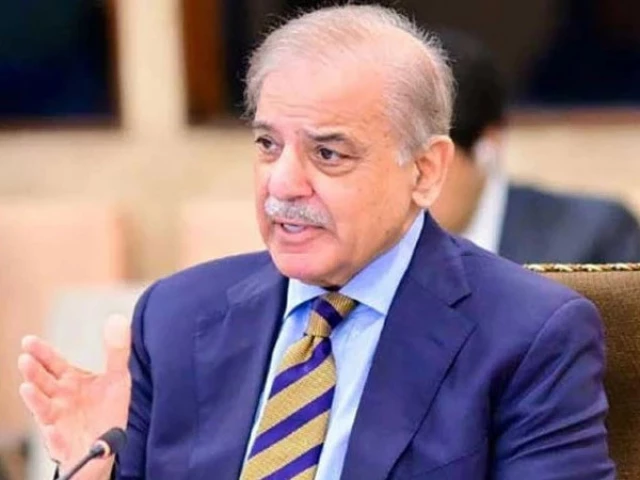
With Tehreek-e-Tahafuz Aeen Pakistan (TTAP) having accepted Prime Minister Shehbaz Sharif’s offer of political dialogue, the ball is now in the federal government’s court to decide when and how to formally open negotiations with the opposition alliance.
However, the road to dialogue remains far from easy, as deep-rooted divisions within the Pakistan Tehreek-e-Insaf (PTI) continue to cloud consensus on the party’s future political direction.
A faction within the PTI opposes dialogue with the government, instead favoring a new strategy of agitation – an approach that has yielded little result since the February 8, 2024 elections.
The group believes the public remains ready to protest Imran Khan’s continued detention, but admits the party’s weak and fragmented leadership has left its supporters directionless. They say any upcoming protests could prove decisive, citing the increased activism of Khyber-Pakhtunkhwa Chief Minister Sohail Afridi, who has stepped up efforts to mobilize party workers across the country, especially within KP.
The chief minister is also expected to visit Lahore today (Friday).
Imran Khan’s sister Aleema Khan is also said to be opposed to entering into negotiations with the current government.
However, there appears to be broad consensus within the party that Imran Khan has delegated his authority over the future course of action to TTAP leader Mahmood Khan Achakzai, who accepted the prime minister’s offer of dialogue after what sources describe as extensive deliberations.
Another section of the party supports political engagement, arguing that the executive has effectively consolidated its grip on the judiciary, leaving little immediate prospect of relief from the higher courts.
They also highlight the lack of significant international pressure on the government to accommodate the PTI, despite it being the country’s largest political party.
These voices further highlight that authorities have managed to sow fear among PTI supporters in Punjab through sustained repression, limiting the party’s ability to mobilize on the streets. While the government retains multiple levers to further squeeze the PTI, they argue that engaging at the negotiating table could be the only viable option to secure political breathing space.
Sources also say that the PTI’s social media apparatus continues to play an important role in shaping the party’s political strategy.
Meanwhile, speculation persists about when the government will act. A political analyst suggests the ruling coalition could seek broader consensus before any decision on deploying troops to Gaza. Others point to the government’s lack of tangible success on the economic front as a possible factor behind its new overtures to dialogue.
Meanwhile, Chaudhry Fawad Hussain said the government should release senior PTI leaders, including Shah Mahmood Qureshi, Ejaz Chaudhry, Mahmood Rasheed, Yasmin Rashid and Omar Cheema, so that they can start dialogue on behalf of the party.
It is widely acknowledged that no meaningful dialogue with the opposition can succeed without the participation of Imran Khan.
It is learned that the government is likely to formally respond to TTAP after the end of the UAE President’s visit.
Prime Minister Shehbaz Sharif is said to have extended the offer of political dialogue after consultations with powerful circles.


