
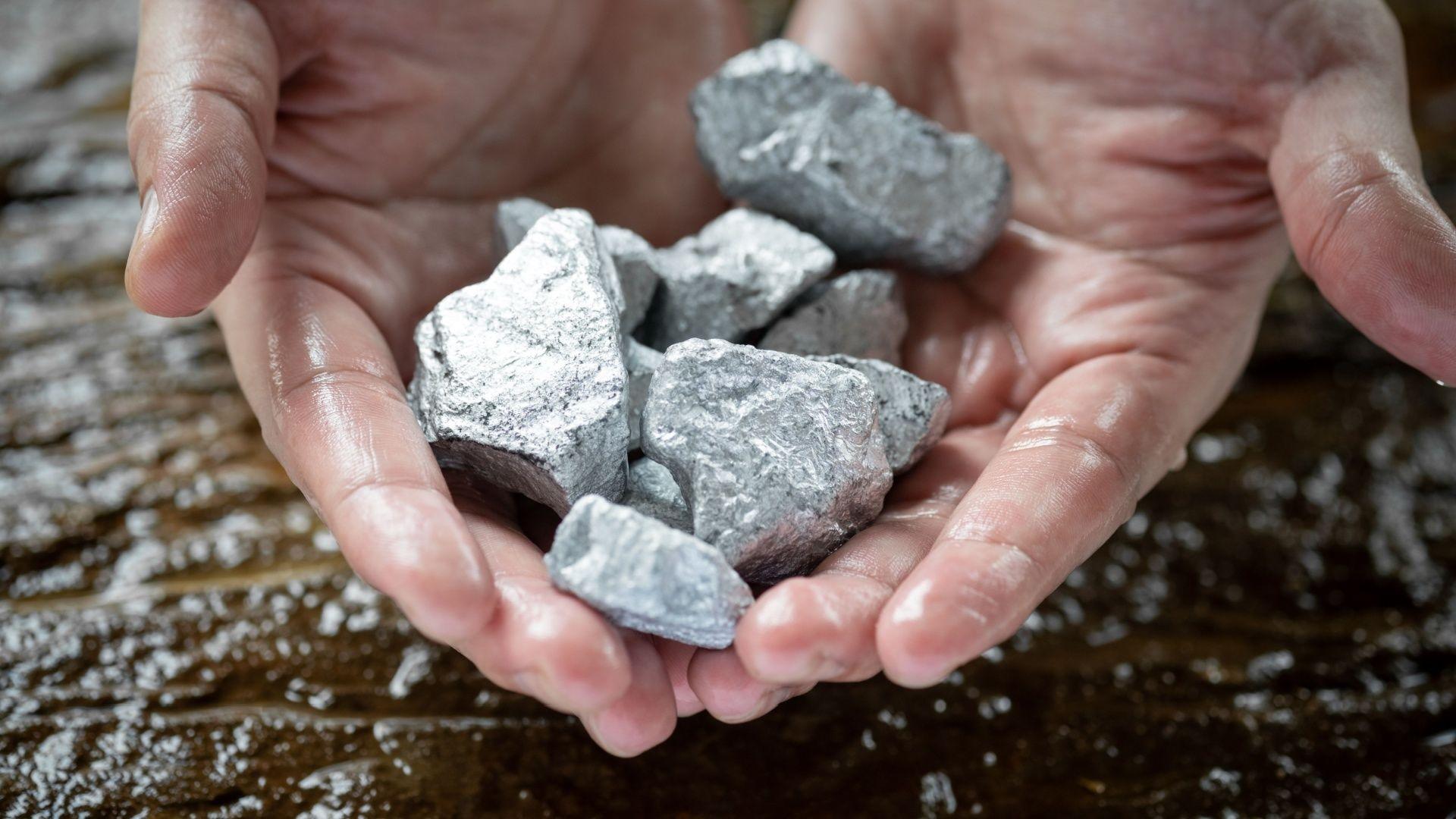
- The Nevada and Oregon caldera is home to lithium clay estimated between 20 and 40 million tons
- Lithium discovery could reach $1.5 trillion at current market prices
- Four-layer sediments and clay enriched in lithium elements by hydrothermal activity
A research team has identified a large concentration of lithium-rich clay in the McDermitt caldera, a collapsed supervolcano along the Nevada-Oregon border.
Current assessments suggest the region could contain between 20 and 40 million tonnes of lithium-bearing material.
If commercial activity confirms these estimates, the value could reach approximately $1.5 trillion at prevailing market prices.
Lithium, a major raw material for industries
The projected scale would make it one of the largest documented lithium deposits, and if commercial extraction proves viable, it could power battery production for many years.
The material would serve industries that rely on large-scale storage, including electric vehicles and consumer electronics.
It would also support computer systems used across the industry, from workstations to smaller units such as mini PCs.
Geological analysis indicates that the caldera formed around 16 million years ago after a major eruption that caused the collapse of the underlying magma chamber.
Thick layers of ash cooled across the basin and a long-lived lake deposited further sediments over long periods of time.
Hydrothermal activity continued as mineral-laden water rose into the soft mud layers, enriching them with lithium and other elements.
This process created bands of clay containing unusually high concentrations of lithium, some of which are close enough to the surface to allow strip mining.
The United States has relied heavily on the Silver Peak mine in Nevada since the 1960s for its domestic supply of lithium.
Although discoveries like the southern Arkansas deposit were made last year, Silver Peak remains relevant.
The outlook for global lithium demand remains high, with some analysts forecasting an eight-fold increase in required production by 2040.
A site of this scale could reduce long-standing dependence on a single mine and change supply dynamics.
It will also help ease price fluctuations, which have increased by more than 1,500% in recent years and are straining industries that rely on steady supplies of lithium and rare earth elements.
These materials are controlled in many countries, with China providing rare earth development aid to Malaysia after restricting access to US entities.
As battery research expands beyond lithium-based chemicals, these major discoveries become uncertain.
Sodium-ion cells are frequently cited as possible alternatives to lithium, but current versions lag behind in energy density and durability.
Because of this gap, lithium remains the dominant option for now. However, it is unclear whether long-term demand will maintain its current trajectory.
Via Tom’s material
Follow TechRadar on Google News And add us as your favorite source to get our news, reviews and expert opinions in your feeds. Make sure to click the Follow button!
And of course you can too follow TechRadar on TikTok for news, reviews, unboxings in video form and receive regular updates from us on WhatsApp Also.


