
Lahore:
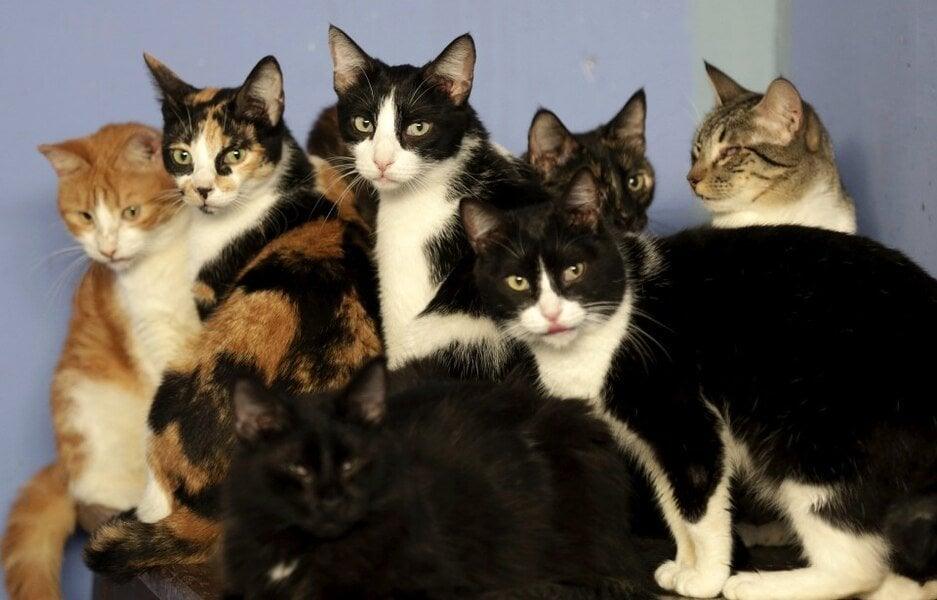
Throughout the country, a growing number of well -intentioned individuals nourish stray cats, birds and wild animals wherever they find them, offering the food they have on hand. But fauna experts warn that this act of charity could do more harm than good.
Animals in the wild – and even those in captivity – are best suited to foods found in their natural habitats, said the Express PK Press Club Express PK Press Club. Human food, they have added, can disrupt their diet, weaken their ability to feed or hunt and expose them to the disease.
In tourist areas of the North and urban centers such as Lahore, the growing trend in the diet of wild animals – monkeys and pigeons with cheetahs and eagles – makes alarms among environmentalists. While many do it to capture memorable photos or as a charitable gesture, experts warn that practice could have long -term consequences for the health and behavior of animals.
In regions like Galiyat, wild monkeys have learned to tear off the food from visitors, while at Hore, the inhabitants regularly leave the millet and the water trays for birds outside their house. Even predatory birds, such as eagles, have been observed to recover highly frequented roads like Canal Road and the Ravi river bridge, designed by the easy availability of food provided by humans.
Dr. Zulfiqar Ali, professor at the University of Punjab’s Zoology Institute, said that wild animals have survived for centuries on what their natural habitats provide. “These creatures are used to food that nature offers. Human food – bourgeois, fries, bread and processed snacks – have faced to meet their nutritional needs and can lead to malnutrition, bone diseases and other health problems,” he said.
Fahad Malik, who directs a conservation group, said that regular food disrupts the natural instincts of animals. “When animals get used to being nourished by people, they tend to abandon their natural hunting habits. This dependence can be dangerous, especially if the food provided by humans suddenly stops. In addition, animals that lose their natural fear of humans are more likely to conflict with people,” he said.
Commenting on the practice, Dr. Rizwan Khan, a veterinary officer superior to Punjab fauna, warned that feeding wild animals increases the risk of zoonotic diseases and accidental injuries. “Wild animals that have been conditioned to approach humans for food were often walking near the roads, which increases their chances of accidents. Their digestive systems are not designed for transformed human food, with a higher risk of disease,” he said.


