
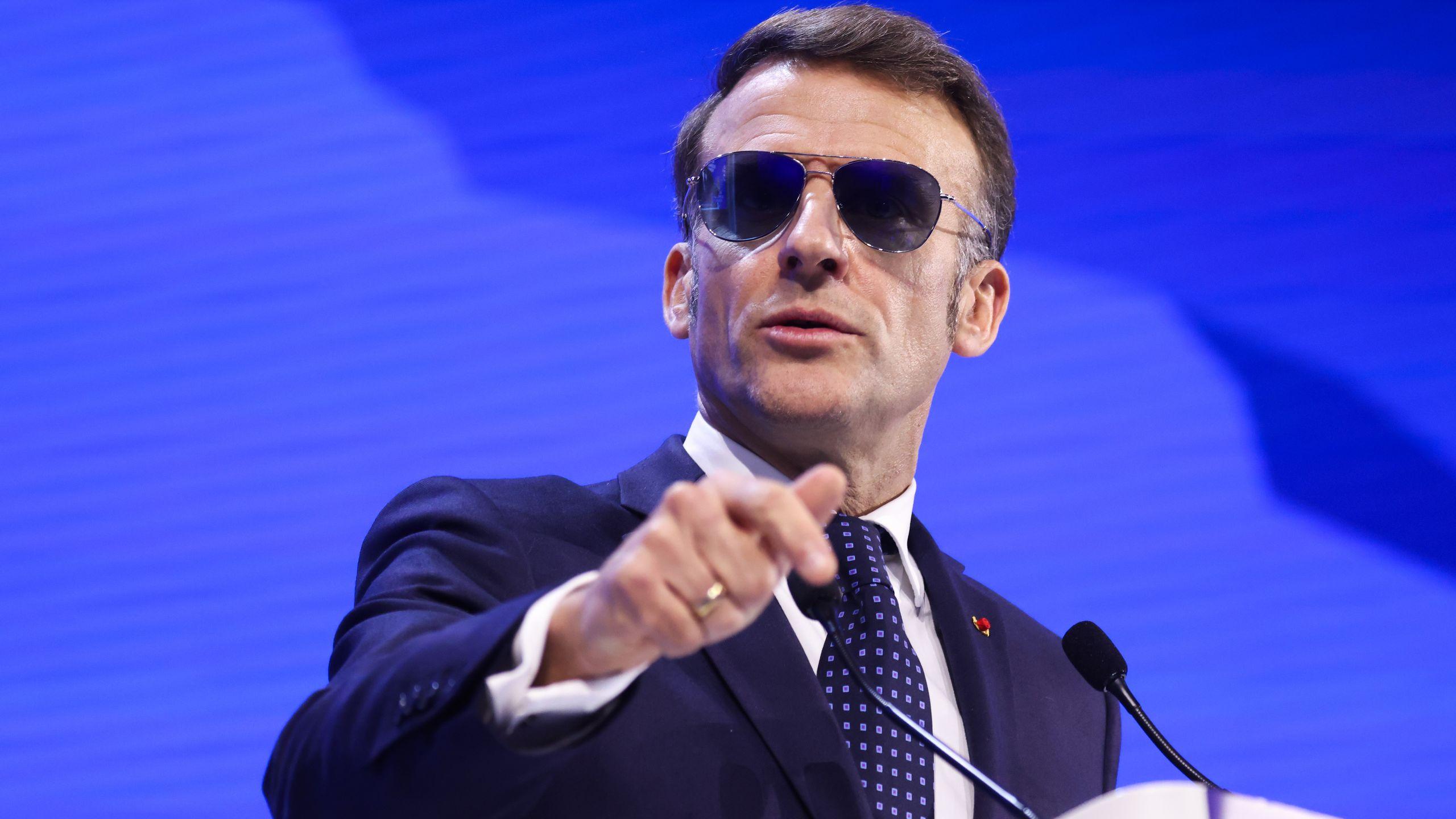
- French MPs voted in favor of a law banning social networks for minors
- It is not yet a law; it must first go through the French Senate
- Once adopted, those under 15 would no longer be able to access social platforms
French MPs have just voted 116 to 23 in favor of a social media ban aimed at minors – in what is billed as a “major step” towards protecting children and teenagers online.
As you can imagine, not everyone is happy with the proposed rules.
The bill hasn’t yet passed – the French Senate must also approve it, and some wonder whether it will be blocked under European law after a similar bill is halted in 2023 – but it follows in the footsteps of similar rules we’ve seen in Australia, the UK and some US states.
Speaking in a video released on the bill, French President Emmanuel Macron said: “The emotions of our children and adolescents are not for sale or manipulation, neither by American platforms nor by Chinese algorithms” – clear references to Instagram, X and TikTok.
Once introduced, these and other social media services will have to verify the age of French users or block them from accessing content. Given that some sort of age verification system could emerge at the European level, France will likely only be the first EU country to impose such a ban – for example, Ireland, Spain and Denmark are also considering such rules.
While many parents, lawmakers and even some children reacted positively, others had fewer kind words to share.
Scrolling (ironically) through social media, you will find many comments calling this “legislative overreach.” While others are concerned about having to share their credentials online – particularly following various data leaks involving credentials from countries that have imposed similar rules (like a Discord breach that saw hackers steal thousands of government ID photos)
The better of two evils
You don’t have to look far to find reports demonstrating the harmful effects of social media on mental health – some of which come from the companies themselves. Nor to find examples of how the platforms could be used and abused by users and their own creators – such as the recent example of Grok being used to create explicit images of women and children, or whistleblowers’ claims that Meta platforms can target users with ads based on their emotional state (which Meta has denied doing, but admitted to researching through a series of statements in 2017).
At the same time, I know how valuable social media can be. YouTube and TikTok can be incredible educational platforms, social media can provide access to invaluable sources of information, create spaces for people to organize actions around an important cause they care about, or simply give people the chance to find a crowd they can fit into that they might not be able to find locally.
But does this good outweigh the bad?
Honestly, I’m not sure. If asked to choose one extreme or the other, I favor a ban – in part because widespread bans could force platforms to finally clean up their act.
I would still prefer a more nuanced approach.
Something that involves secure, private identity verification to verify age and that someone is a human being, that addresses issues plaguing social media that go beyond those that just affect minors, but also those that affect users of all ages, and that gives parents the ability to make decisions for their child (choosing to allow access to certain platforms when they think their child is ready).
But that might be too much to ask of politicians who aren’t as familiar with the Internet as they should be. Maybe as we see more and more bans in the coming year, they’ll prove me wrong and find an approach that works for everyone.
Follow TechRadar on Google News And add us as your favorite source to get our news, reviews and expert opinions in your feeds. Make sure to click the Follow button!
And of course you can too follow TechRadar on TikTok for news, reviews, unboxings in video form and receive regular updates from us on WhatsApp Also.


