
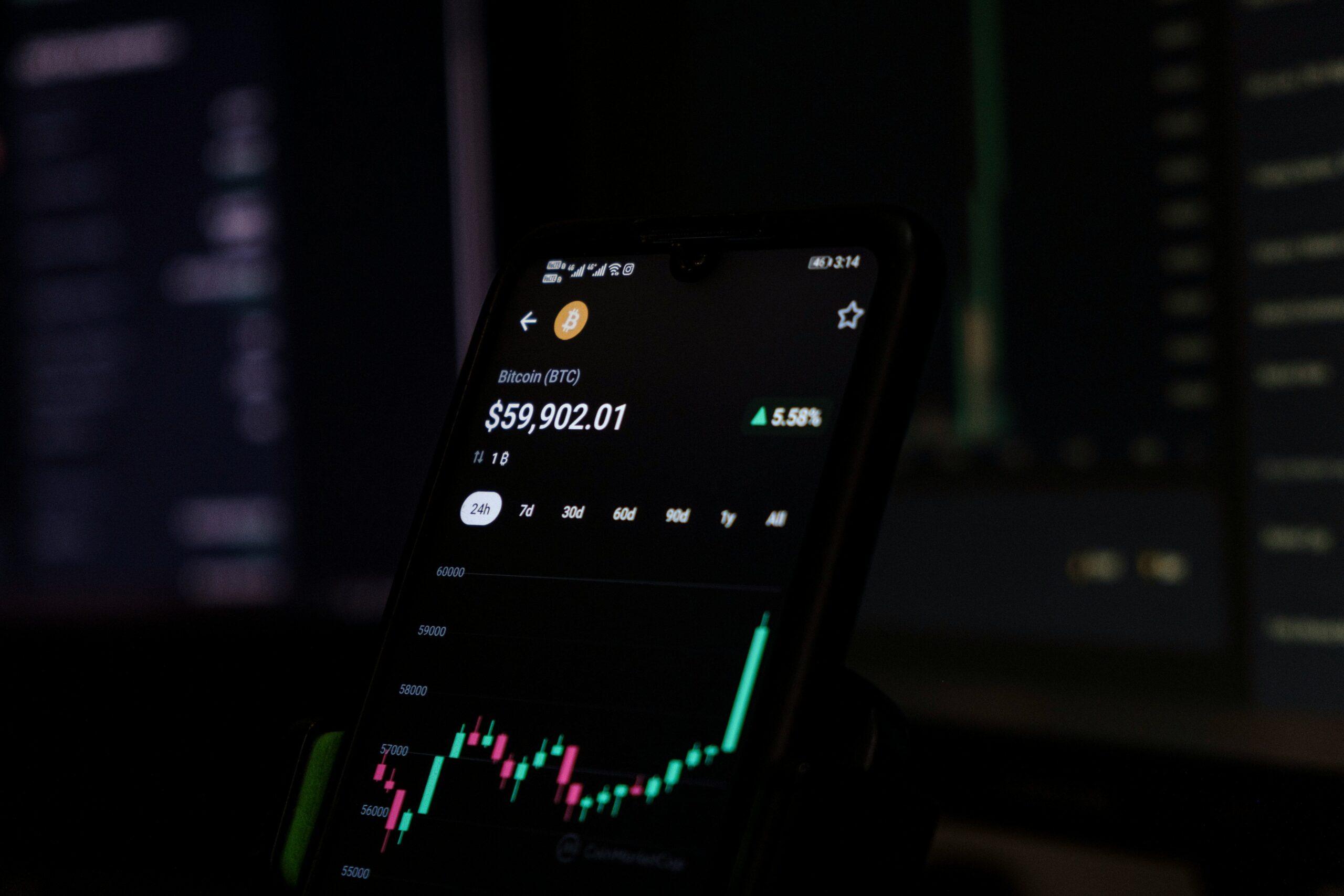
The AI revolution in trading should change the situation, but instead, it has become a fast money. Wherever you turn, another Wrapper Chatgpt is marketed as the next great thing for crypto traders. Promises? “Insights fed by AI”, “New generation commercial signals”, “perfect agental trading”. The reality? Surprised vaporware, too expensive and underperforming that does not scratch the surface of what is really necessary.
Saad Naja is a speaker at the top of the AI during the 2025 consensus, Toronto, from May 14 to 16.
AI must be designed to increase the trader’s experience, not the key. Companies like Spectral Labs and Creator.bid innovate with AI agents but are likely to go to vaporware status if they fail to provide real utilities beyond GPT packaging at the surface level. They have excessive dependence on models of great language (LLMS) as chatgpt without providing unique utility, prioritize the words in the fashion of AI on the transparency of the substance and the architecture of AI.
AI agents should increase trading
The combination of AI and trading is a transformer leap, so that humans make trading gains more effectively with powerful foresight, investing less time, but not to completely replace humans in the commercial equation. Traders do not need another emotionless agent with an unhindered agency. They need tools that help them to negotiate better, more quickly and more confident in environments that simulate real volatility of the market before making trade in real markets.
Too many GPT packages rush to the market with soft and half -cooked agents that attack fear, confusion and FOMO. With barely trained large language models (LLMS) and little transparency, some of these IA trading “solutions” strengthen and forget the bad habits.
Trading does not only concern hyper speed or automation, it is a thoughtful decision -making. It is a question of balancing science and intuition, data with emotion. In this first wave of agent design, what is missing is the art of the merchant’s journey: their progression of skills, the development of unique strategy and rapid evolution thanks to interactive mentorship and simulations.
Just fanciful calculators
The real innovation lies in the development of a meta-model that mixes predictive trading LLMs, real-time APIs, feeling of feelings and chain data, while filtering the crypto Twitter chaos.
Emotion and feeling move the markets. If your trader agent cannot detect when a community returns up or down, or in front of this signal, it is a non-starter.
GPT packaging rejecting market movements focused on emotions offer low -risk and low reward gains in portfolio optimization. A better agent reads the nuance, tone and psycholinguistics, just like qualified merchants.
And while 20 years of high quality trading data covering several cycles, markets and instruments is an excellent start, the real mastery goes through buckles of engagement and progress that sticks. The best agents learn data, people and prospered with coaching.
Better to lose simulated money
Financial systems intimidate most people. Many never start or do not explode quickly. Simulated environments help solve this problem. The thrill of victory, the pain of losing and the joy of bouncing are what strengthens resilience and gears from sterile and vocal cat interfaces.
AI trafficking agents should teach this, in the background and simulate commercial return strategies in virtual commercial environments, not only successful trades but returns to unforeseen events. Think about it as learning to drive: real growth comes from time to road and closed calls, not just reading the manual of your state.
Simulations can show traders how to locate candlestick models, manage risks, adapt to volatility or respond to new tariff titles, without losing your head in the process. By learning through agents, traders can refine strategies and have their positions, win or lose.
Before my bags, win my confidence
The responses to the life of AI agents quickly improve to the indistinguishable distinction of human responses by conversational and contextual depth (fill the gap in the “strange valley”). But for traders to accept and trust these agents, they must feel real, be interactive, intelligent and relatable.
Personality agents, those who vibe like real traders, whether they are cautious portfolio managers or prudent portfolio optimizers can become trusted co -pilots. The key to this confidence is control. Traders must have the right to refuse or approve the calls of the AI agent.
Access to the cat on demand is another lever, in parallel with the visibility of trading gains and returns built on the sweat and tears of real traders. The best agents do not only perform professions, they will explain why. They will evolve with the merchant. They will have access to manage funds only after having proven itself, such as the trainees winning a seat on the negotiation office.
The amusing and smooth aesthetics and progression of the AAA will encourage traders to return to shared experiences opposed to solo missions. Thanks to tokenization and co -learning models, AI agents could not only become tools, but also co -ownership assets – solve the crypto trader liquidity problem along the way.
First market players must be considered with healthy skepticism. If the trader agents IA will have a real impact, they must go beyond sterile cat interfaces and become dynamic, educational and emotionally intelligent.
Until then, GPT packaging remains what they are smooth distractions disguised as innovation, extracting more value from users than they provide, as indicated by the IA token market correction.
The convergence of AI and crypto should authorize merchants. With the right incentives and a state of mind in the trader, AI agents could unlock unprecedented learning and earnings. Not by replacing the merchant but by evolving them.


