
Iran closed the Strait of Hormuz following airstrikes by the United States and Israel, triggering a global oil crisis.
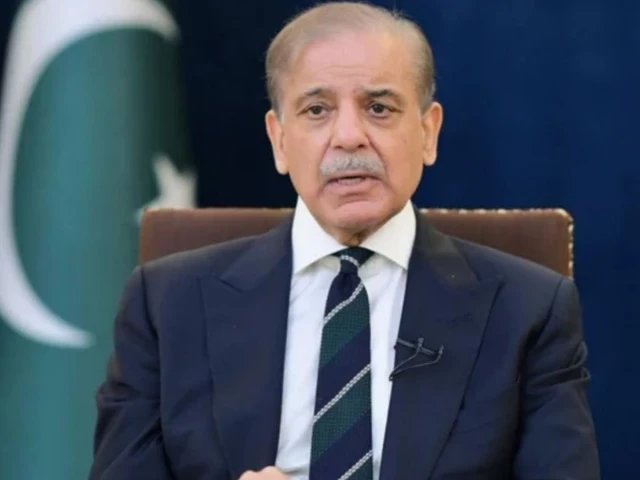
Prime Minister Shehbaz Sharif is expected to soon give confidence to the nation on the overall situation amid the ongoing crisis in the Middle East, following the attacks by the United States and Israel on Iran.
Tensions in the Middle East escalated last week after U.S. and Israeli airstrikes killed Iran’s Supreme Leader Ayatollah Ali Khamenei and several senior officials, triggering retaliation from Tehran and widening the regional conflict. In response, Iran targeted US military bases in several Gulf countries, significantly escalating the confrontation.
Iran also closed the Strait of Hormuz following airstrikes by the United States and Israel, halting the movement of oil supplies to many countries. As a result, crude oil prices recorded their biggest weekly rise on Friday since extreme volatility during the COVID-19 pandemic in spring 2020, as shipping and energy exports via this key waterway were disrupted.
A day earlier, Prime Minister Shehbaz considered several proposals and recommendations aimed at implementing austerity and prudent spending. He stressed the importance of the rapid implementation of measures aimed at protecting the national economy.
“The government is closely monitoring the situation and will take all necessary decisions to ensure economic stability,” he said, promising that all possible measures would be taken to protect public interests during this difficult period.
He stressed on prudent management of national resources and assured that once the situation improves, the government would provide greater relief to the public. The statement said austerity measures will not affect the industrial or agricultural sectors, ensuring that production, exports and food security remain intact.
“Everyone should bear the burden of savings and austerity equally. The privileged segments of society and the elite classes should lead by example in making necessary adjustments,” the prime minister had said.
The government sharply increased diesel and petrol prices by Rs 55 per liter, or 20%, on Friday – marking the first in a series of similar increases expected in the coming days due to the ongoing conflict.
The increase in gasoline prices was greater than in international markets, as the government chose to collect more money than necessary from motorcyclists and car owners to subsidize the use of diesel, mainly in the public transport and agriculture sectors.
Learn more: Government drops ‘fuel bomb’
This sharp increase has intensified the cost of living, with residents reporting higher transport fares and rising prices of everyday items.
People also reported conflicts at gas pumps, where attendants refused to dispense fuel worth less than a liter. According to residents, many customers asked for gasoline worth Rs 150 or 200, but the pump staff refused, saying that the flow rate from the nozzles is fixed and the fuel is dispensed in smaller or larger quantities, leading to frequent arguments.
Rising gas prices have also pushed up the price of fruits, vegetables and other essentials. Traders said the cost of transportation for bringing fruits, vegetables and goods was earlier around Rs 1,000 per trip but has now increased to between Rs 2,500 and Rs 3,000.
Drivers providing transport services for school children have also increased their fares, with residents saying the entire burden has been shifted to the public.


