
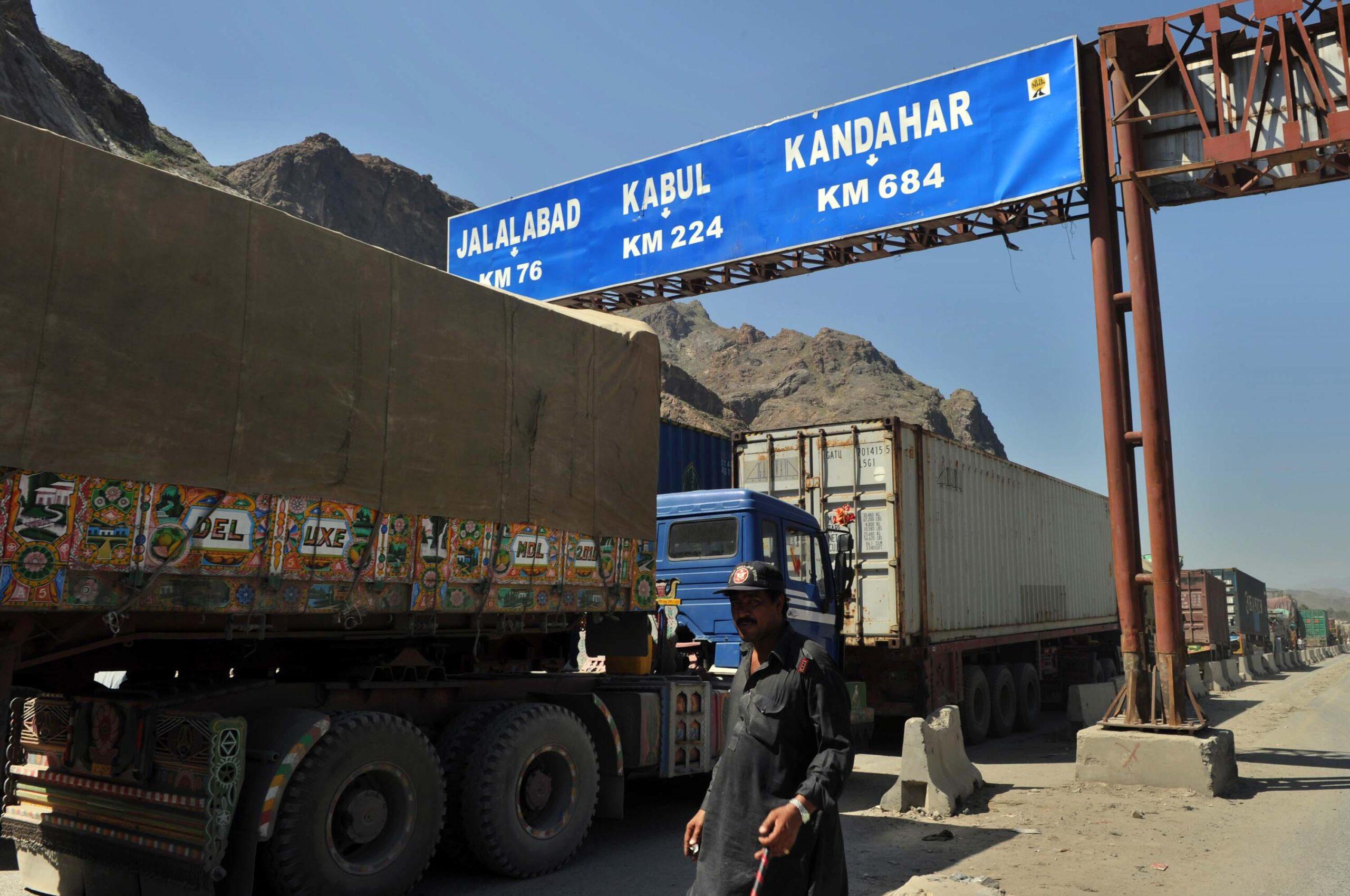
Torkham’s border crossing between Pakistan and Afghanistan reopened on Wednesday after being closed for almost a month, facilitating the resumption of trade between the two countries.
The border was closed on February 21, following the initiation of the Afghan authorities for “construction and development work of the trenches” along the border, which the Pakistani forces had cited as a reason for the cessation of movements and trade.
Torkham serves as a main transit point for goods and travelers between Pakistan and Afghanistan. In 2024, bilateral trade exceeded $ 1.6 billion, according to Pakistan’s Foreign Office.
Naheed Khan, a senior police official in the Pakistani district of Khyber, confirmed the reopening of the Torkham door for transport, while the Afghan customs agent Hazrat Nabi Toor checked that the trucks could once again cross the border.
Hajji Hikmatullah, the Afghan Commissioner in Torkham, said that the reopening would allow trucks stuck on each side of the border to resume their trips. He added that the passenger movement through the crossing would begin on Friday.
Hikmatullah called on the two countries to create a “complete strategy” to separate political problems from trade, encouraging stronger economic ties.
Asghar Ali, a Pakistani customs agent, noted that hundreds of trucks, carrying goods such as fruits and vegetables, started to go immediately to the border after the announcement of the reopening. He stressed that the closure of the borders had caused significant financial losses for businesses.
The closure had resulted in millions of dollars of losses for traders, the border being often closed due to the clashes between the Pakistani and Afghan forces in the past. Last month, the tensions on the closure of Torkham led to a skirmish that injured three Pakistani civilians.
The reopening comes in the middle of the current tensions between Kabul and Islamabad, largely due to an increase in militant attacks in the western provinces of Pakistan near the Afghan border because Islamabad accused Afghanistan of hosting militants responsible for these transversal attacks, although Afghan officials have refused allegations.


