
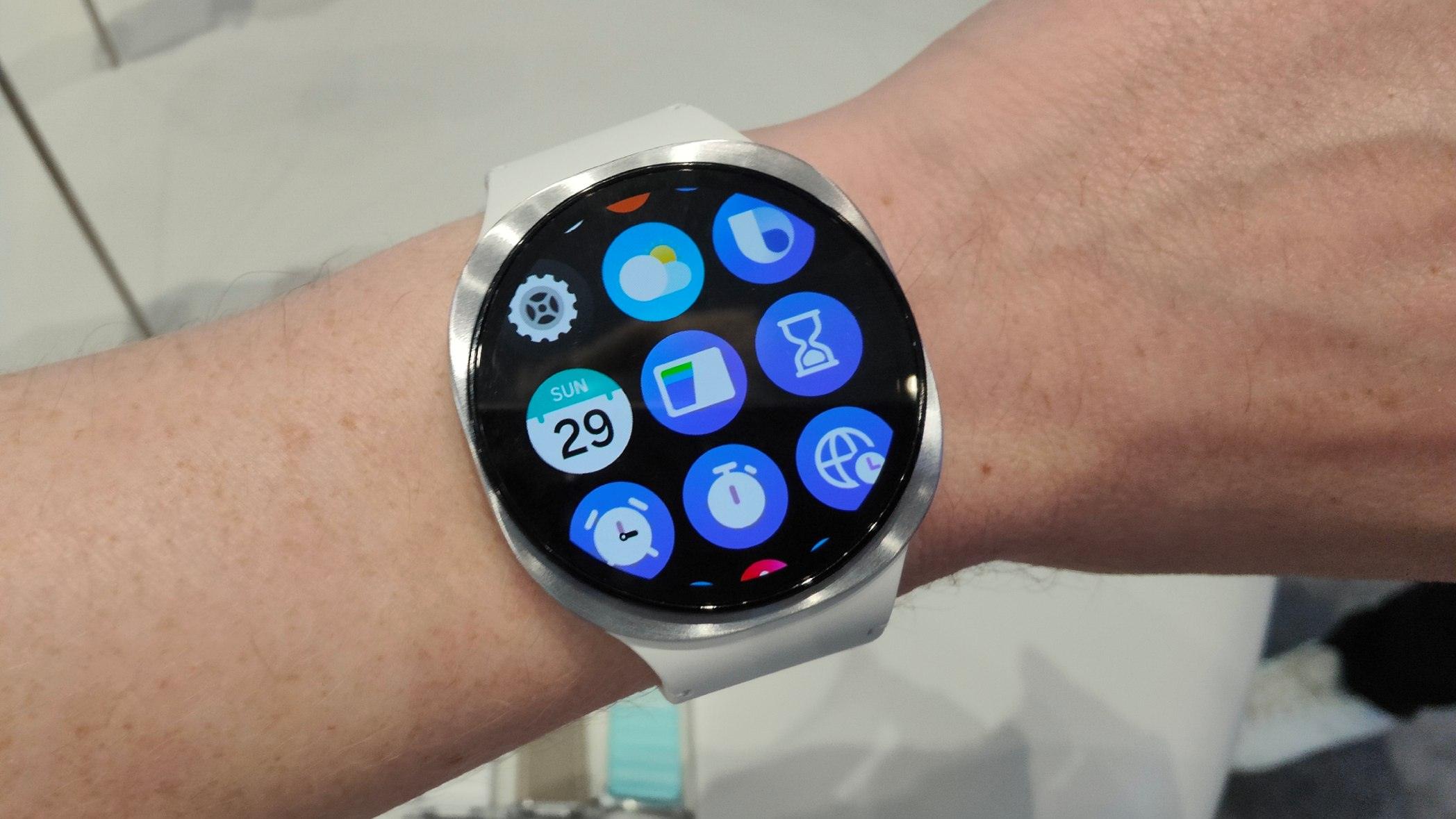
One of the most innovative and less included updates in the new Samsung Galaxy Watch 8 is the new antioxidant index metric, which uses the latest bioactive sensor of Samsung. Unlike sensors that resemble under the skin to, for example, blood oxygenation or heartbeat, these new yellow, blue and violet sensors are focused on the surface and measure your level of antioxidants.
According to the leaders of Samsung who guided us through the latest health capacities of Galaxy Watch 8 shortly after revealing the new laptops to Samsung Galaxy unpacked on July 9, measuring antioxidant levels on the skin relates directly, but not immediately, your eating habits and alcohol consumption. Certain foods, for example, such as fruits and vegetables, could increase antioxidant levels in your skin. Having higher antioxidants levels could help avoid the disease.
We were shown what looked like a direct correlation between, for example, drinking alcohol during the holidays and how it could reduce antioxidant levels. By the way, these levels are represented in a graphic that you can read on your Samsung Health application.
Even if you put the Samsung Galaxy Watch 8 when available on July 25 and you have a healthy salad instead of a burger and fries, the watch may not immediately read differences. The antioxidant readings seem somewhat cumulative on the skin and could take a week to present itself.
There is also the question of how you use the new Galaxy Watch 8 sensors.
Now, ironically, it seems, Samsung has worked hard to reorganize the Galaxy Watch 8 and its band fixing system to bring the watch closer to your skin. My feeling is that these registers are seated on your wrists, so I don’t know how closer they can get closer, and the leaders have not fully explained this.
Even so, for this new sensor, it does not matter. The only way to read your antioxidant levels with the Samsung Galaxy Watch 8 is to remove it from your wrist and press your thumb against the bioactive sensor at the back.
We asked why the sensors could not read the antioxidant levels on the wrist, and it turned out to be a fairly obvious response.
“We have tried a lot with the measurement on the wrist, but there are – we really want to measure skin, not blood. Here here [indicates wrist]There are many capillaries. “”
Essentially, a wrist measure would be envisaged (or confused by) blood in these capillaries and not reading the skin. When you press with your thumb, you push all the blood, so that the sensors read more easily the antioxidants levels in the skin.
When I asked why the thumb and not the other fingers, it turns out that could Be finished with your other fingers, but reading with an inch is simply more comfortable.
Although this is perfectly logical, this sensor can be used less than others because it is not a passive reading. Instead, it looks more like ECG, in which you need to sit down and put a finger on the upper button for about 20 seconds. You actively choose to read this, and you need to remove the watch to do so.
Samsung has recognized that there is no notification that tells you to occasionally take antioxidant reading, which means that it could end up being a little used health metric.
Having these antioxidant readings could be useful for understanding your general well-being with regard to eating habits, but the other obstacle remembers what you ingest and when, and few like to hold a newspaper of their food consumption.
I suggested that the next Moohan Glasses project (a joint XR project between Samsung and Google) could help here, actively seeing and according to everything you eat. The Samsung Exec said it was a good idea.


