
- Terra Industries Expands Drone Production to Provide Security for Power Plants, Mines and Refineries
- Local manufacturing cuts costs while raising new questions about production sustainability
- Annual subscriptions pose financial risk to customers in unstable economic environments
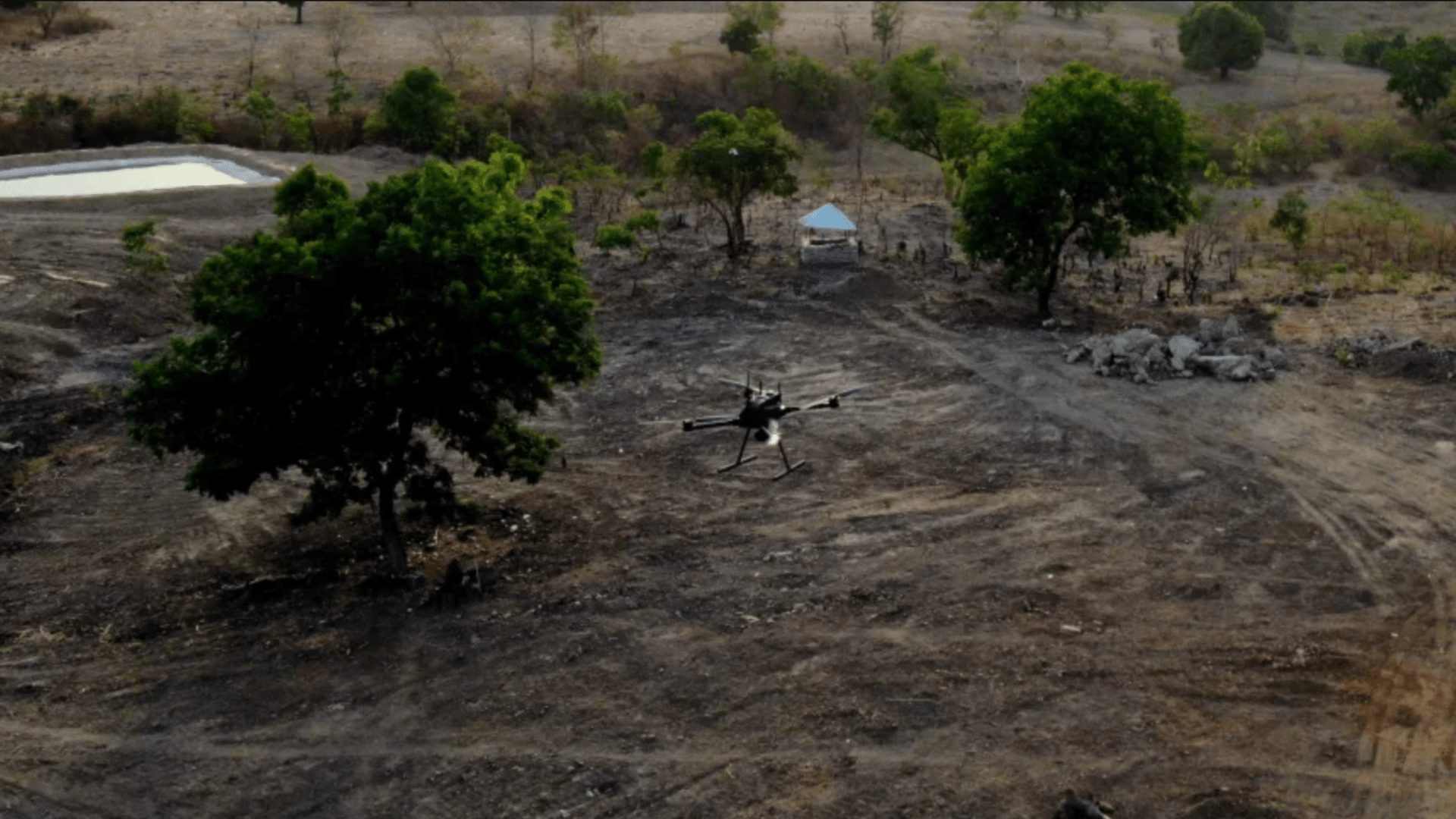
A Nigerian robotics startup builds thousands of drones every year to protect critical infrastructure across Africa.
It follows a vertically integrated manufacturing strategy that draws inspiration from Apple rather than traditional defense contractors.
Terra Industries, founded in 2024 by two young Nigerians – Maxwell Maduka, 23, and Nathan Nwachuku, 22 – launched what it calls Africa’s largest drone factory in February 2025.
Article continues below
Factory-wide and first deployments
The company has a 15,000 square foot facility on the outskirts of Abuja, Nigeria, capable of producing 30,000 drones per year.
It already exports to eight African countries and Canada, protecting assets worth an estimated $11 billion, including power plants, lithium mines, gold mines and oil refineries.
Rather than assembling components from third-party suppliers, Terra Industries develops and manufactures its software, cells, propellers and lithium-ion batteries in-house.
However, some sensors and cameras are imported from countries like South Korea; Keeping core production in-house helps ensure much safer data security.
The AI-based software, called ArtemisOS, collects monitoring data from multiple systems, analyzes it for threats in real time, and alerts response teams when dangers are detected.
By manufacturing locally, the company says initial material purchases are up to 55% cheaper than international competitors, with savings passed directly to customers.
The company does all this with little funding, raising less than $600,000 while reaching $1.9 million in revenue.
In May 2026, Terra won a $1.2 million contract with private security firm NetHawk Solutions to deploy AI-powered drones and surveillance towers at two hydropower plants in Nigeria.
Terra has partnered with local cloud platform PipeOps rather than global companies to maintain data sovereignty.
Customers pay for Terra software on an annual subscription basis, and without an active subscription, the hardware stops working.
For user data, it remains in Africa. Terra co-founder and CEO Nathan Nwachukwu said: “We need to keep data in the hands of Africans. »
This not only saves costs but also helps protect sensitive information from global leaks.
Terra’s playbook could emulate Ukraine’s drone revolution, which showed how relatively inexpensive unmanned systems could reshape modern security operations in military and civilian contexts.
However, it remains to be seen whether Terra’s vertically integrated model can sustain production of 30,000 units per year while maintaining consistent quality standards.
There is also uncertainty about the company’s ability to deliver reliable software updates in regions with spotty connectivity and infrastructure limitations.
Additionally, its reliance on annual software subscriptions raises concerns about how customers deal with budget constraints or payment delays in these markets.
By CNN
Follow TechRadar on Google News And add us as your favorite source to get our news, reviews and expert opinions in your feeds. Make sure to click the Follow button!
And of course you can too follow TechRadar on TikTok for news, reviews, unboxings in video form and receive regular updates from us on WhatsApp Also.


