
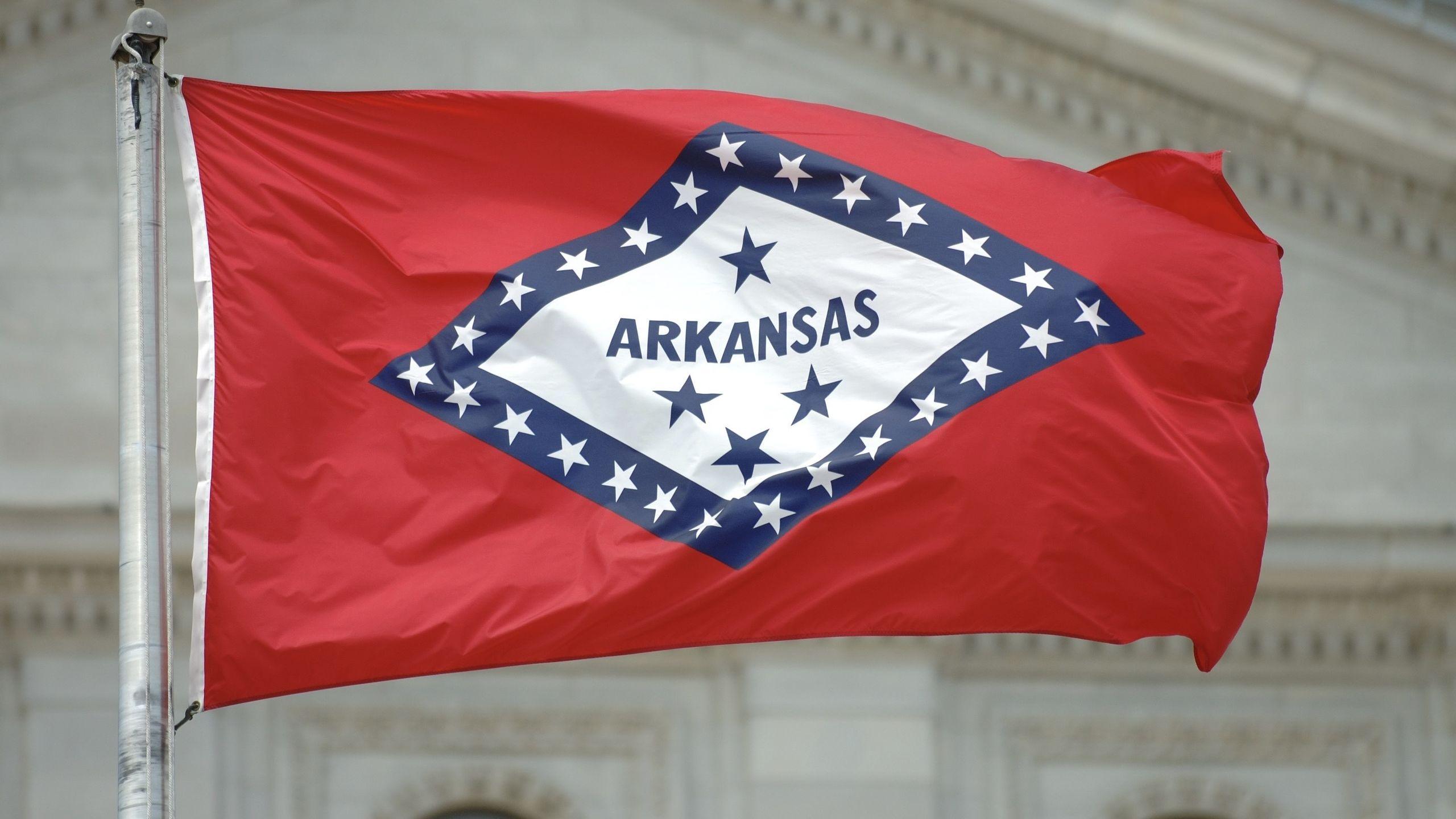
- US judge issues preliminary injunction blocking Arkansas Act 901
- The law aimed to penalize social media for features harmful to minors
- NetChoice successfully argued that the law infringes on protected speech
A US federal judge has temporarily blocked a new Arkansas law intended to hold social media companies liable for harmful effects on users, ruling that the legislation is “likely unconstitutional”.
On Monday, U.S. District Judge Timothy L. Brooks granted a preliminary injunction against Arkansas Act 901, according to local reports. The ruling blocks Arkansas Attorney General Tim Griffin from enforcing provisions that would have penalized platforms that use designs or algorithms leading to addiction, drug use or self-harm.
This legal battle in Fayetteville is the latest flashpoint as U.S. states attempt to regulate online spaces. While similar legislative moves regarding strict age verification measures have prompted some privacy-conscious Americans to use top VPN services to maintain access to information without handing over a government ID, this specific move focuses heavily on the First Amendment rights of the platforms themselves.
“Empty for blur”
The lawsuit was filed by NetChoice, a major Internet trade association representing tech giants including Meta (Facebook, Instagram), YouTube, Snap Inc., Reddit and X. NetChoice argued that Act 901 violated the First Amendment and was preempted by federal law.
The law sought to prohibit social media platforms from using features that they “know or should have known” cause specific harm to minors, including the purchase of controlled substances, the development of eating disorders, or suicide. Violations could have resulted in civil penalties of up to $10,000 per violation and Class A misdemeanor charges.
However, in his order, Judge Brooks criticized the law as “unconstitutionally vague.” He noted that the legislation did not set a clear standard of conduct for platforms, leaving violations dependent on the subjective sensitivities of users.
“The law regulates just about everything a social media platform does,” Judge Brooks wrote in the decision. “The defendants have failed to establish that [sections of the law] are narrowly tailored to achieving the stated interests of the state… These provisions of the law are probably unconstitutional.
While acknowledging the state’s argument that social media can harm minors, Brooks emphasized that the government cannot trample on free speech to fix it.
A broader battle for online security
Blocking Act 901 is a significant victory for the tech industry, which has consistently opposed a patchwork of state-level regulations.
Attorney General Griffin had argued that the law was necessary because the platforms “hold considerable power over Arkansans” and have refused to exercise it responsibly. Yet, according to the judge, the harm caused to the government by an injunction does not outweigh the public interest in protecting free speech.
The move comes at a time when social media security is under intense global scrutiny. While Arkansas has struggled to implement its specific restrictions, other jurisdictions are moving more quickly. For example, the Australian government recently passed a ban on social media for children under 16, and the US Congress is considering its own federal measures for app store age verification.
For now, however, Arkansas cannot enforce Act 901. Judge Brooks noted that because NetChoice has demonstrated a likely violation of the First Amendment, the platforms would suffer “irreparable harm” if the law is allowed to take effect while the case continues.
Follow TechRadar on Google News And add us as your favorite source to get our news, reviews and expert opinions in your feeds. Make sure to click the Follow button!


