
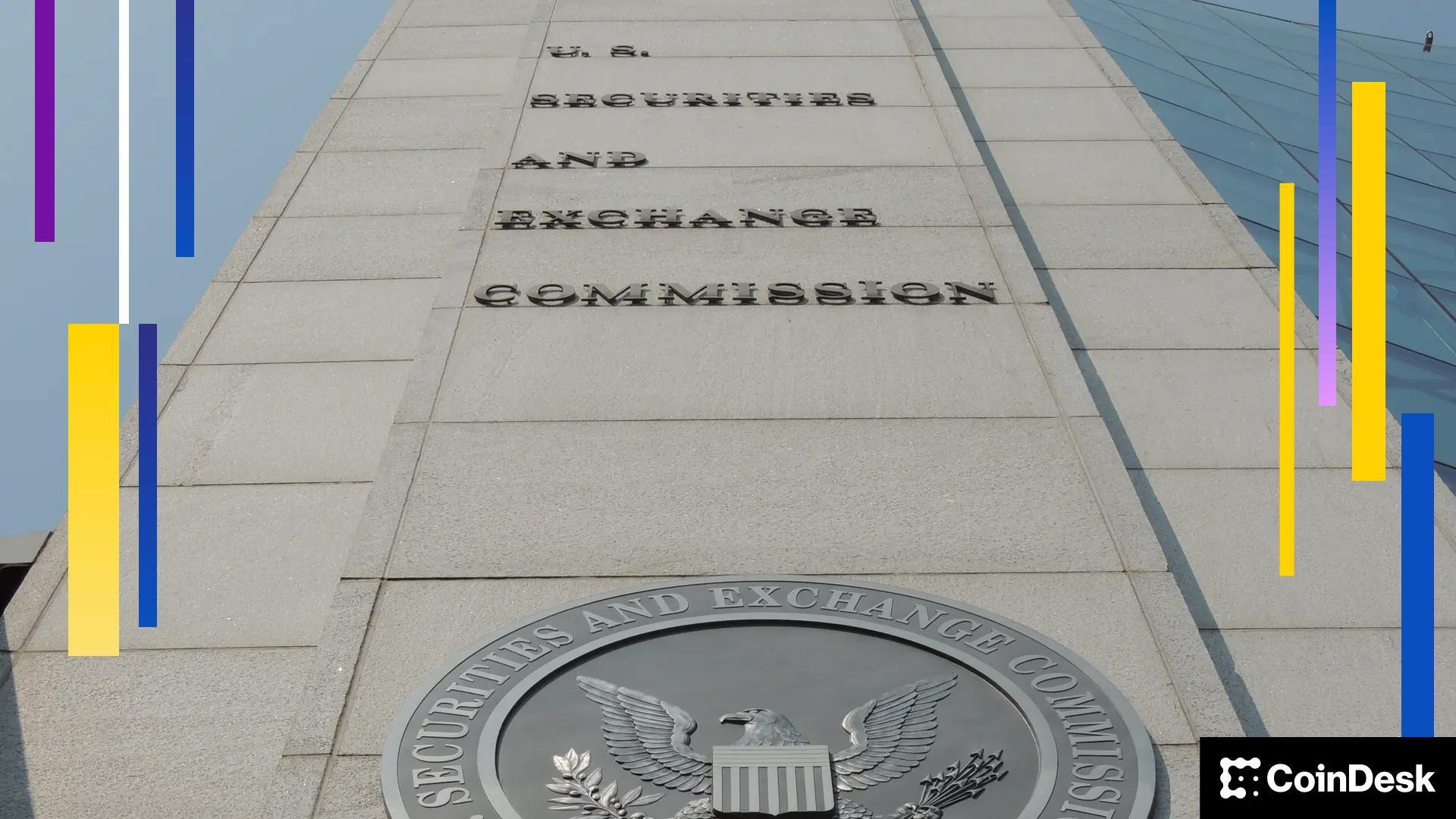
Five Wall Street firms met with the Securities and Exchange Commission’s Crypto Working Group on Tuesday to discuss regulatory approaches to digital assets and decentralized finance (DeFi) and how tokenized securities should be treated under existing federal laws.
According to the SEC memo released Tuesday, representatives from the Securities Industry and Financial Markets Association (SIFMA), Cahill Gordon & Reindel LLP, Citadel LLC and JPMorgan Chase & Co. requested the meeting to follow up on recent letters to the commission and its crypto task force.
During the meeting, participants argued that securities should not be allowed to trade under different rules simply because they are issued or traded on blockchain rails, warning that regulatory shortcuts could allow tokenized stocks or other securities to circumvent long-standing requirements for investor protection and market structure. They also urged the SEC to rely on formal rules rather than, for example, broad exemptions.
Wall Street firms said they agree that innovation in digital markets must advance within the framework of investor protection and market integrity. They opposed a broad and immediate exemption for tokenized trading activities, arguing that tokenization changes the plumbing of the market, not the underlying economic reality of securities. Tokenized instruments, whether issued natively or via rights or “wrapped” structures, have been presented as economic equivalents of traditional securities.
The meeting took place nearly a month after Citadel issued a 13-page letter informing the SEC that DeFi protocols managing tokenized securities require closer regulatory oversight. The crypto industry immediately responded with its own correspondence, calling the arguments “baseless.”
Citadel’s letter comes amid a broader debate over how the SEC should regulate DeFi and tokenized securities, sparking strong criticism from parts of the crypto industry.
DeFi was not a central topic at the meeting and was only mentioned as it raises regulatory questions for trading tokenized securities, particularly around how exchange, brokerage and market access rules might apply to decentralized or hybrid models. Broader DeFi activities, such as lending or governance, were not discussed.
Speaking Wednesday at a SIFMA roundtable on 24/7 trading, Jamie Selway, SEC director of trading and markets, said that “some non-equity markets, such as those for digital assets, currently operate 24/7,” adding that a “growing consensus among market participants wants equity markets to follow this path.”
Selway said expanding trading hours could strengthen the competitiveness of the U.S. market if implemented with shared infrastructure, common protocols and careful attention to operational risks such as corporate actions.
Overall, the SEC meeting reflected a growing convergence between regulators and large financial institutions around a common principle: tokenization can modernize markets, but it does not require a separate regulatory regime.


