
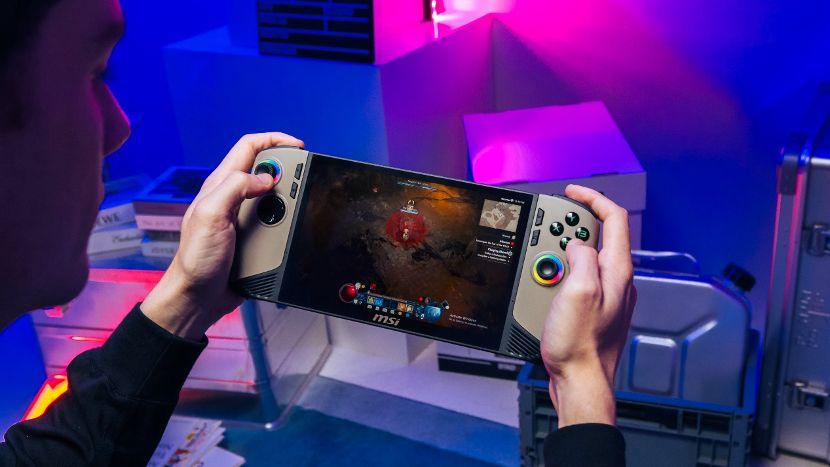
- Intel announced that there will be a portable gaming rig with the Panther Lake series
- Partnerships with MSI, Acer, GPD and Microsoft mean plenty of handhelds could be on the way
- These devices won’t be here anytime soon, but more details are expected later in 2026.
Not much happened with portable gaming PCs at CES 2026, but Intel hinted at the potential for a series of major new launches later in 2026.
As Notebookcheck reports, Intel has promised that handheld computers will be built with its Panther Lake series of processors. This potentially includes partnerships with companies like MSI, Acer, GPD, Microsoft and Onexplayer, with further updates expected to be revealed later this year.
While Lenovo and Asus recently launched the Legion Go 2 and ROG Xbox Ally
Essentially, this leaves room for one of the big players, namely MSI, to take over from the Claw AI+ handhelds which use the Intel Core Ultra 7 258V processor.
Based on Intel’s claimed performance for Panther Lake’s Arc B390 integrated GPU, which is said to be 73% faster than AMD’s Radeon 890M while running at lower power consumption, it’s safe to say that Team Blue could give Team Red a run for their money in the portable space here.
If it were built around a Panther Lake processor, we could see a new MSI Claw device with significantly better performance than most current-generation consumer handhelds. As Intel claims, this is next-generation portable gaming performance (see graphic above).
It also helps that XeSS 3 (supported by Panther Lake and older Xe integrated graphics) features the benefits of multi-frame generation, a technology we’ve only seen Nvidia use for its RTX 5000 series GPUs (although it’s also possible via Lossless Scaling on Steam).
More importantly, overall, the battle between AMD and Intel in the handheld market is on.
Analysis: Intel makes a stronger name for itself in the gaming market
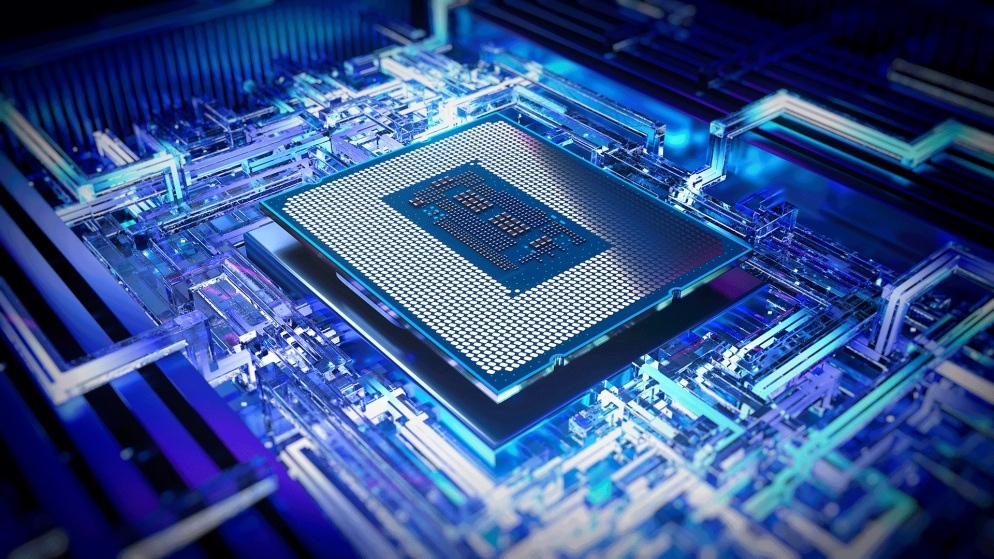
While AMD’s Ryzen AI Max+ 395 APU essentially delivers gaming laptop-level performance for the GPD Win 5 and other high-end handhelds, Intel’s Core Ultra 7 258V remains the more impressive chip for me.
This is the processor used in MSI Claw AI+ handhelds, and the MSI Claw 8 AI+ is the best handheld I’ve used to date. Yes, the Claw’s $899 price was a point of contention for me, but with the Max+ 395 handhelds costing almost $2,000, there’s a clear winner in terms of value.
If Intel’s claims about the generational leap in performance are correct, we will have a much more powerful successor to the MSI Claw 8 AI+ with a Panther Lake chip as its engine. And Intel is going to push itself further when it comes to gaming hardware – especially since its upcoming Arc B770 discrete GPU has leaked, rumored to pack 16GB of VRAM.
There’s a lot to expect from AMD and Intel, not only in the desktop GPU department, but also for SoCs and their powerful integrated graphics for handhelds. I can’t wait to see what happens in 2026.
TechRadar will cover this year’s events extensively THESEand will bring you all the big announcements as they happen. Visit our Live news from CES 2026 page for the latest stories and our hands-on verdicts on everything we’ve seen.
You can also ask us a question about the show in our Live Q&A from CES 2026 and we will do our best to answer them.
And don’t forget to follow us on TikTok for the latest news from the CES show!


