
LAHORE:
After weeks of dry and dusty weather, a spell of rain and snow forecast by the Pakistan Meteorological Department (PMD) swept through several parts of the country, bringing much-needed relief by reducing pollution, cooling the air and replenishing water reserves for growing crops at a critical stage.
The spell of rain, brought on by the typical western disturbances of the winter season, not only ended a prolonged dry spell but also boosted agricultural prospects, particularly in rain-fed regions that were grappling with moisture shortages.
Winter rains (November-February), often caused by Western Disturbances, increase the flow of rivers across Pakistan, particularly affecting the upper catchments of the Indus, Kabul and Swat rivers.
This precipitation, combined with rains earlier in the year, can cause high flows in rivers early in the season, sometimes affecting crops such as wheat.
Although the rains caused disruption in some low-lying areas, they were largely welcomed by farmers, particularly in barani (rain-irrigated) areas, where the showers arrived just in time to revive the chickpea harvest.
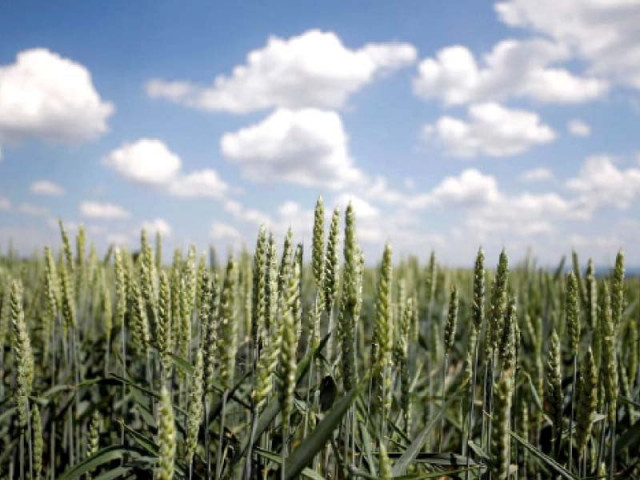
With the country facing water shortages and the wheat harvest entering a critical growth phase, this period of crisis could not have come at a more opportune time.
Although agricultural planners see clear positive signs for wheat, they remain cautious about quantifying the full impact at this stage. However, they are convinced that chickpeas, currently in the sensitive flowering stage and in urgent need of moisture, will largely escape the effects of drought.
Rain-fed areas are expected to benefit the most, as improved soil moisture is also expected to help farmers prepare for peanut planting by mid-March.
Meanwhile, water inflows and outflows in major rivers and reservoirs remained stable on Friday, with the Indus River System Authority (IRSA) and the Water and Power Development Authority (WAPDA) reporting balanced flow levels at major hydropower and irrigation points.
According to a WAPDA spokesperson, at Tarbela, the Indus River recorded an inflow of 17,000 cusecs and an equivalent flow of 17,000 cusecs. At Mangla, the Jhelum river had an inflow of 11,100 cusecs, while the outflow was 6,100 cusecs.
At Chashma Dam, the inflow was recorded at 18,900 cusecs, while the outflow was significantly higher at 30,000 cusecs.
Meanwhile, at Head Marala, River Chenab showed an inflow of 8,100 cusecs and an outflow of 4,100 cusecs. At Nowshera, the Kabul River recorded an inflow and outflow of 12,700 cusecs.
The spokesperson said the Tarbela reservoir was at a water level of 1,492.00 feet, with an active storage of 2.747 million acre-feet (MAF). At Mangla, the water level stood at 1,203.20 feet, with a storage of 4,459 MAF. At Chashma, the reservoir level was 648.00 ft, with storage of 0.258 MAF.
The combined usable water storage at Tarbela, Mangla and Chashma was estimated at 7.464 million acre-feet.
WAPDA said the inflow and outflow figures for Tarbela and Chashma on the Indus, Nowshera on Kabul and Mangla on the Jhelum represent 24-hour average flows, while data for Head Marala and other locations reflect measurements taken at 6 a.m. on Friday.


