
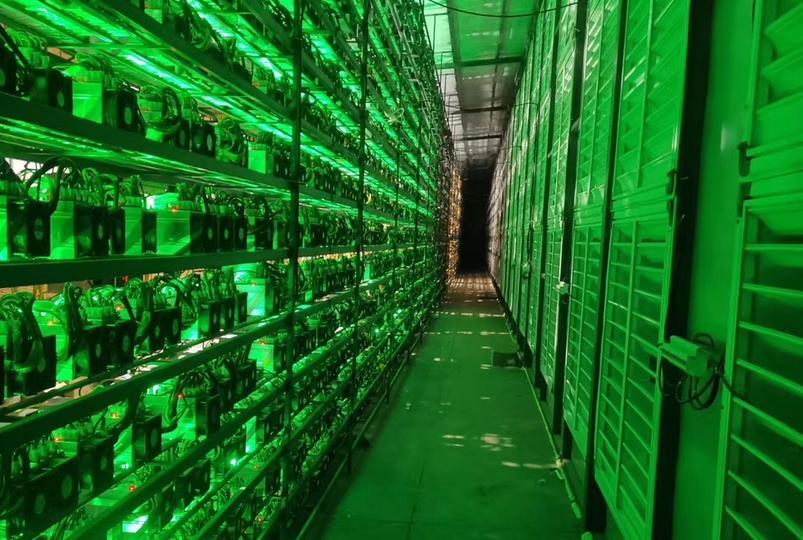
Bitcoin’s hash rate is falling as conflict in the Middle East drives up energy prices, adding pressure to the mining sector and the broader market.
The decline in hash rate is likely linked to geopolitical tensions due to the war with Iran and soaring oil prices, given that an estimated 8-10% of global bitcoin mining occurs in energy markets sensitive to energy costs.
With the hash rate down about 8% over the past week to 920 EH/s, the network could be entering another phase of miner capitulation. Historically, such periods have coincided with downward pressure on the price of bitcoin, which is currently trading below $72,000, about 5% below its Monday high.
As a result, the network is expected to experience a downward difficulty adjustment of approximately 8%, which would mark the second largest negative change in the last five years, according to mempool.space.
This decline follows one of the largest declines in difficulty ever recorded in mid-February, highlighting high volatility in mining activity.
Due to increasing competition, persistently low transaction fees and bitcoin price volatility, this has squeezed margins and pushed many publicly traded miners to diversify into AI and high-performance computing, alongside increased bitcoin sales to support operations, acting as a headwind for the bitcoin price.


