
- ISAC allows smartphones to detect unconnected objects without interfering with connectivity services
- Echo-based pulses allow mobile networks to visualize their surroundings, like bats in the dark
- ISAC trials successfully detected people and objects without disrupting mobile functions
Integrated Sensing and Communication, or ISAC, is a technology that converts ordinary smartphones into radar-like sensors capable of detecting unconnected objects in real time.
Vodafone and Tiami Networks are testing ISAC to explore how smartphones could warn people of nearby dangers.
The pair are also examining its potential to monitor high-traffic areas, detect intruders, and support tasks in industrial and environmental settings.
Vodafone and Tiami test ISAC
The new system relies on echo-based pulses, similar to those used by bats to navigate dark environments, allowing mobile networks to visualize their surroundings without additional hardware.
Users could theoretically receive alerts about crowded spaces, nearby hazards, or other dangerous situations simply through their devices, and industries and public facilities could monitor for intruders, unauthorized drones, or environmental hazards.
ISAC could track natural disasters and monitor livestock, offering real-time information in areas difficult to observe directly, and could also create 3D maps using smart glasses, detect contaminated food, and help robots understand human hand gestures.
Although ISAC is expected to play a central role in future 6G networks, which could begin operating around 2030, the technology can run on existing 5G infrastructure.
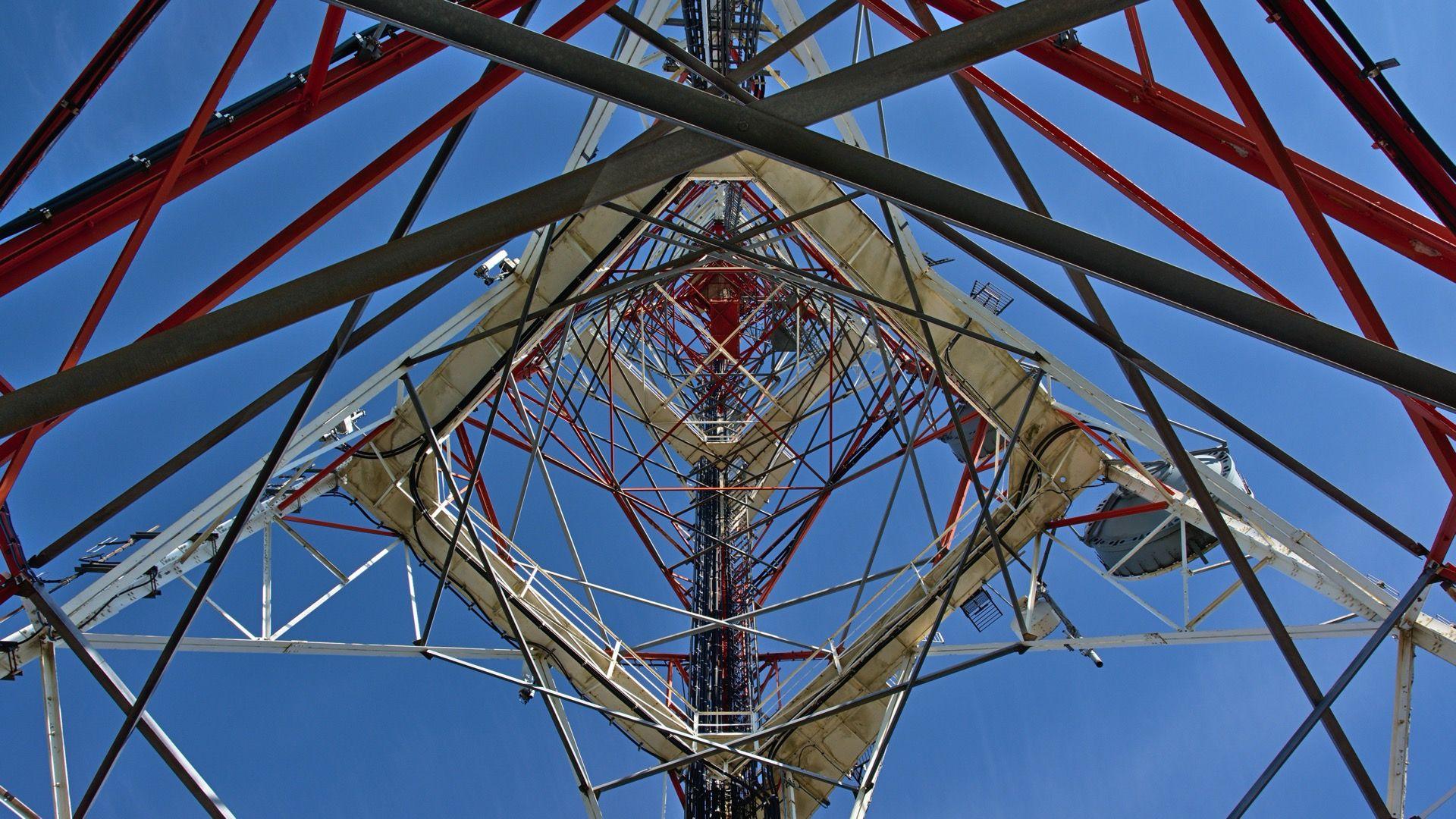
Vodafone and Tiami Networks have conducted trials at Vodafone’s research and development center in Malaga, Spain, using Tiami’s PolyRAN software to transform base stations into wide-area sensors.
“Our vision for PolyRAN is simple. Deploying ISAC should be as seamless as enabling a software application within a 5G network without disrupting existing connectivity services,” said Amitav Mukherjee, CEO and founder of Tiami Networks.
“Testing with Vodafone allows us to evaluate realistic performance and deployment pathways with a leading operator deeply committed to 6G research.”
During these trials, unconnected objects and even people were successfully detected on a live 5G network without causing interference to voice calls, messaging or internet usage.
This means that adopting ISAC does not require a complete network overhaul, making the technology more immediately applicable.
The trials also explored interoperability between hardware and software from different vendors via Open RAN-enabled antennas.
This flexibility allows mobile networks to integrate new sensing capabilities through software updates rather than costly equipment replacements.
By transforming base stations into intelligent edge computing platforms, operators can perform advanced environmental sensing alongside traditional connectivity services.
Beyond industrial or urban surveillance, ISAC could influence personal safety and daily comfort.
Business phones can alert users of unsafe conditions in crowded transportation hubs or hidden maintenance issues, such as burst pipes, in buildings.
“Our 6G-enabled test shows that your phone could soon do much more than connect you. It could be used to keep you safe wherever you go,” said Marco Zangani, director of network strategy and architecture at Vodafone.
The technology could also support privacy-conscious public applications, such as counting visitors at a shopping center without the need for cameras.
Although the full scope of ISAC remains to be proven, initial trials indicate that it is technically possible to turn ordinary smartphones into active environmental sensors.
Follow TechRadar on Google News And add us as your favorite source to get our news, reviews and expert opinions in your feeds. Make sure to click the Follow button!
And of course you can too follow TechRadar on TikTok for news, reviews, unboxings in video form and receive regular updates from us on WhatsApp Also.


