
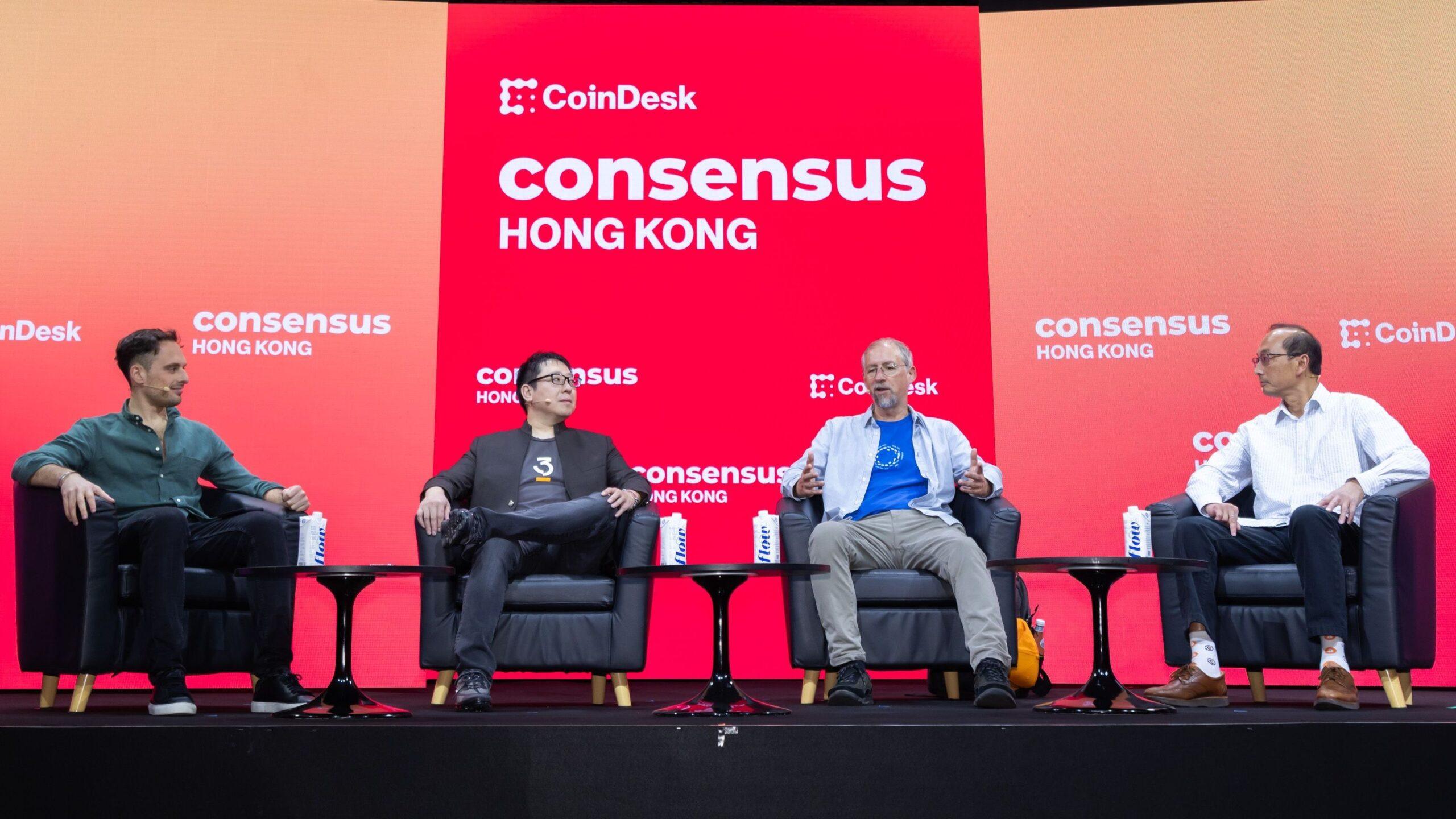
Adam Back, a first Bitcoin developer and co-founder and CEO of Blockstream, weighed on the debate on what he calls “Jpeg Spam” on Blockchain Bitcoin.
Back maintains that he undermines the central goal of cryptocurrency as money in a Fix (formerly Twitter) Friday.
Bitcoin must be considered “belonging to humanity” with developers acting as “commissioners” who require user consensus to change the network materially, said Back. This principle, he added, was reinforced during the 2015-2017 block size wars, when the user’s economic pressure prevented minors from pushing the protocol changes.
Back targeted the rise of JPEG inscriptions – images stored directly on Bitcoin via the upgrade of the Tapoot root and the ordinal protocol that he helped to generate.
The number of JPEGs integrated into the big book of Bitcoin rose from 88 million in May to 105 million in September, an increase of 20%. The costs linked to these registrations total approximately 7,000 BTC ($ 777 million).
Bitcoin main mission
Supporters of developments enabled by the upgrading of the Tapoot root, such as ordinals, in the meantime, argue that as long as users are ready to pay for the block space, they are valid use of the network.
Being a system without authorization, there should not be any dictation of what Bitcoin can and cannot be used, because this goes against the ethics of decentralization on which it was built.
In addition, “spam jpeg” also strengthens economic incentive for minors to maintain the Bitcoin network, which could become more and more vital because the block rewards they receive are reduced by 50% every four years.
While minors benefit from higher costs, Back maintains that the effect is minimal once the hashrate has increased and the costs are taken into account. He estimated that JPEG’s registrations can contribute 0.1% to mining benefits, by far the carrying on the function of damage to potential reputation, higher transaction costs for ordinary users and the reduction of accessibility to the basic Bitcoin function as a system of peer -on currency.
Divided community
The problem is therefore divisor in the Bitcoin community.
Supporters consider inscriptions as a legitimate economic activity and the use of blockchain. Critics, including the back, say they waste the block space and move the activity that strengthens the Bitcoin value proposal.
Return of possible remedies, including awareness of minors and pools to discourage the treatment of such transactions, and modifications at the portfolio which could orient the costs to those who reject them. While warning the risks of centralization, he suggested that even small economic strokes could make JPEG registrations not profitable.
Read more: the Bitcoin debate on the biser data limits reminds me of the controversy of the divisors computers


