
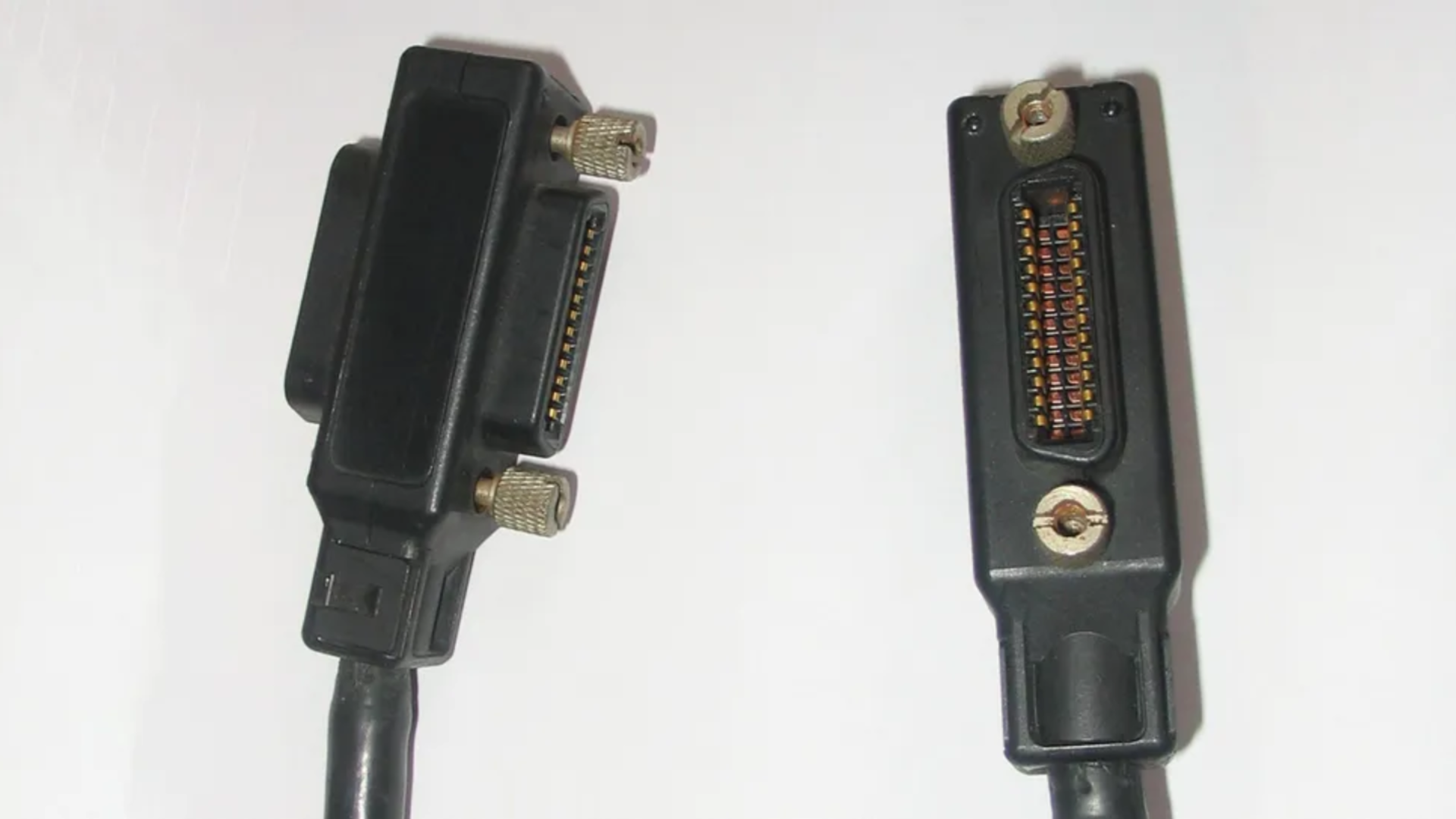
- HP’s GPIB standard receives Linux support 53 years after its original release
- Legacy lab instruments can now seamlessly integrate with modern Linux distributions
- Interface maintains original 8MB/s bandwidth across multiple connected devices
A bus standard introduced by HP in 1972 finally has stable support for Linux drivers, more than fifty years after its initial release.
HP created the interface to connect laboratory instruments to computers, and it later became known as IEEE 488 after standardization in 1975.
The design allowed multiple devices to share a single bus of up to twenty meters while providing data transfer speeds of up to 8 MB/s, which was impressive for its time.
Historical context of the GPIB
When developers introduced the bus, computing was still in its infancy. Intel had just released the 8008 processor and the personal computer industry had not yet emerged.
Popular interfaces used today, such as USB and PCIe, were not available for decades.
The GPIB provided a short-range parallel multi-master communications system and soon found use in oscilloscopes, multimeters, and other laboratory instruments.
The standard later reached home computing, including the Commodore 64 and Acorn systems, where it connected devices reliably.
The bus has now moved from intermediate to stable support in the Linux 6.19 kernel.
An earlier inclusion in the main kernel allowed testing, but the driver is now officially recognized and fully functional.
Greg Kroah-Hartman, an influential Linux kernel developer and member of the Linux Foundation, confirmed the update in the Linux 6.19-rc1 pull request.
“Here is the set of driver updates for version 6.19-rc1,” Kroah-Hartman wrote.
“The only ‘major’ thing here is that two subsystems, gpib and vc04, have moved out of the intermediate tree and into the ‘real’ part of the kernel, which is great to see.
The interface retains its original bandwidth of 8 MB/s, which remains sufficient for most measuring instruments today.
Its stackable connector design and support for multiple devices continues to ensure reliable operation after decades of use.
The adoption of the personal computer and laboratory equipment standard reflects its long-term flexibility and sustainability.
Stable Linux support now allows older instruments to integrate with modern workflows.
Researchers and engineers can connect vintage hardware to current productivity tools without the need for external adapters.
The update shows how long-established technologies can continue to provide practical value when modern software support brings them to the forefront.
Via Tom’s material
Follow TechRadar on Google News And add us as your favorite source to get our news, reviews and expert opinions in your feeds. Make sure to click the Follow button!
And of course you can too follow TechRadar on TikTok for news, reviews, unboxings in video form and receive regular updates from us on WhatsApp Also.


