
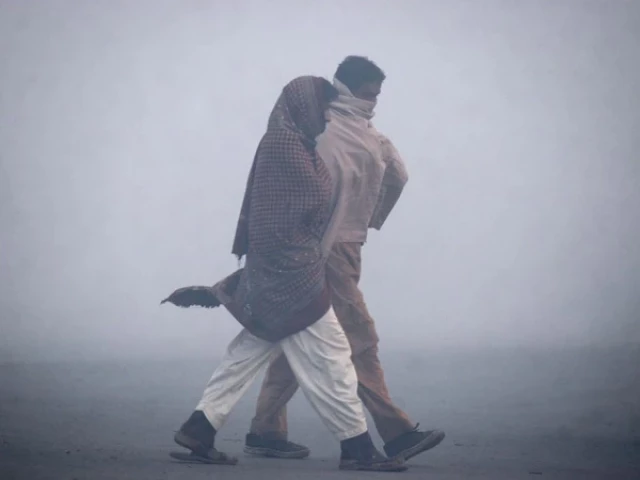
More than 1,000 patients with cold-related illnesses treated in six major public hospitals
Punjab province faces a growing public health challenge as an intense cold wave continues to sweep across the region, causing a sharp increase in respiratory and viral illnesses.
Lahore and other major cities are seeing an unprecedented rush at government hospitals, where doctors are reporting a continued rise in the number of patients suffering from super flu, influenza, viral infections, lung complications, pneumonia and high fever.
A survey of patient flow at major public hospitals in Lahore reveals a troubling situation. Over the past 24 hours, more than 1,000 patients suffering from cold-related illnesses were treated at six major public hospitals. Mayo Hospital alone received more than 300 patients, while Jinnah Hospital treated more than 250. Services Hospital and Lahore General Hospital each recorded more than 200 cases, while Children’s Hospital admitted more than 100 young patients with flu and respiratory symptoms.
Read: Punjab bows to public pressure, extends school holidays by a week
Hospital hallways, emergency departments and outpatient departments remain crowded throughout the day. Patients, many of them wrapped in blankets, can be seen waiting for hours while medical staff work under intense pressure.
“The number of patients far exceeds our usual winter load. Most of the patients are elderly and young children,” said Dr Fareed, chief medical officer at Mayo Hospital in Lahore. “Most suffer from super flu, influenza, pneumonia, chest infections and other cold-related illnesses. Many also have high fever, severe cough, difficulty breathing and body aches. Many cases are more aggressive than the usual seasonal flu,” he added.
Health experts link this increase directly to the ongoing cold snap, which has significantly reduced temperatures, especially at night and early morning. Prolonged exposure to cold, combined with poor air quality and smog, weakened immune responses, making people more vulnerable to infections.
Doctors note that cases of super flu spread quickly, with symptoms including nasal congestion, sore throat, persistent cough, high fever, muscle aches and shortness of breath.
A worrying trend is the increase in the number of cases of pneumonia among children and the elderly. Pediatric services are particularly strained as young children with weakened immunity are brought in with respiratory problems. Elderly patients, especially those with heart disease, diabetes, asthma or other chronic illnesses, also face serious complications. Pregnant women and people with weakened immune systems have been classified as high risk.
Learn more: Sindh changes school timings in cold weather
“Cold weather allows viruses to survive longer and spread faster. People stay indoors with limited ventilation, which increases transmission. Those who ignore early symptoms often end up in hospitals with serious complications such as pneumonia,” said Dr Abdul Basit, former medical director of Sir Ganga Ram Hospital.
Hospital administrations admit that despite preparations, the scale of the outbreak has strained resources. Bed shortages, limited staffing and overcrowded emergency rooms have become commonplace, with some patients being treated in hallways or waiting areas due to lack of space.
“Our doctors and nurses are working for extended periods, but the influx of patients is incessant,” said an official at Sir Ganga Ram Hospital.
Medical experts are urging the public to take preventive measures seriously. The use of face masks in busy areas was strongly recommended, along with frequent hand washing and avoiding close contact with infected people. Doctors also stressed the importance of seasonal flu vaccination, especially for children, the elderly, pregnant women and people with chronic illnesses.
“Vaccination not only reduces the risk of infection, it also reduces the severity of the disease,” Professor Sabahat said.
Weather trends indicate the cold snap is expected to persist over the coming days, with cool nights, cold mornings and dry conditions expected to persist. Health experts warn that if temperatures remain low, respiratory illnesses could further increase, adding further pressure on hospitals already operating at capacity.
Doctors advise citizens to keep warm, eat nutritious foods, stay hydrated and seek medical attention at the first signs of illness, warning that self-medication and ignoring symptoms could lead to serious health consequences.
Meanwhile, the Punjab government has extended school holidays due to weather conditions.
“This is a dangerous time, especially for young children and the elderly. The public should avoid unnecessary outings and use masks as the super flu is at its peak,” said Dr Masood Sheikh, president of the General Staff Doctors Association.
A spokesperson for the Punjab health department said hospitals across the province had been alerted in response to the increase in super flu cases and the cold weather. “At present, the best possible arrangements have been made in hospitals and special counters have already been set up to treat cold-related illnesses,” the spokesperson added.


