
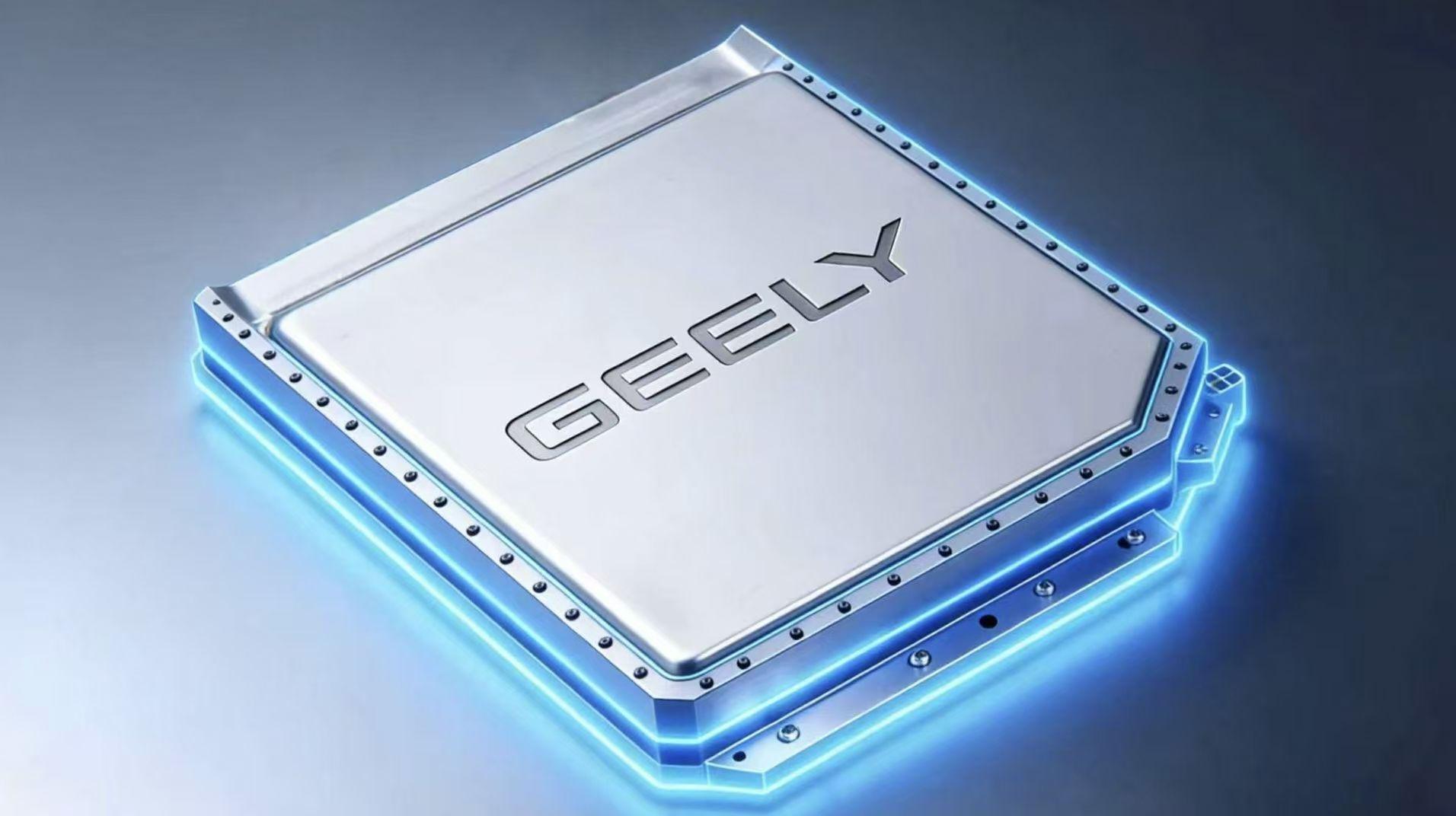
- Geely will begin production of solid-state battery technologies this year
- Its energy density is estimated at 400 Wh/kg
- Safer and more reliable batteries were also promised
Volvo parent company Geely Auto, which also owns Zeekr, Lotus and Lynk & Co, announced it is moving its solid-state battery technology from the lab to the road as it begins production and testing.
Announcing the news at Geely Holding Group’s five-year strategic communications event, the company said it will complete production of its first internally developed all-solid-state battery pack (SSB) this year and move it from the laboratory to vehicle prototypes for testing.
It is unclear which brand will be the first to receive this technology, but Geely’s solid-state battery is said to offer an energy density of 400 Wh/kg. This is much more than the 200 to 300 Wh/kg that liquid electrolyte lithium-ion batteries offer today.
As a result, the automaker can potentially equip electric vehicles with lighter and smaller batteries, which would significantly improve ride and handling. Alternatively, larger solid-state batteries could be used to deliver a monster range of well over 650 miles between charging stops.
Safer and more convenient
Volvo recently revealed its latest EX60 model, which the company hopes will make the brand a true leader in electric vehicles. The vehicle already offers a range of around 500 miles, but with SSB technology, this could easily cross the 650-700 mile mark.
Additionally, Volvo is a brand synonymous with safety and Geely Auto’s SSB batteries promise faster charging without compromising safety thanks to reduced risk of thermal runaway, as well as improved performance in the event of an accident.
That said, Geely is not the only automaker pursuing the technology, with myriad Chinese rivals poised to launch production vehicles into the market, as well as BMW, Toyota, Mercedes-Benz and the Stellantis Group pushing the technology forward among traditional automakers.
The next two years are going to be huge for electric vehicles, with maximum range and charging speeds expected to take a quantum leap over the next 24 months.
Follow TechRadar on Google News And add us as your favorite source to get our news, reviews and expert opinions in your feeds. Make sure to click the Follow button!
And of course you can also follow TechRadar on YouTube And TikTok for news, reviews, unboxings in video form and receive regular updates from us on WhatsApp Also.


