
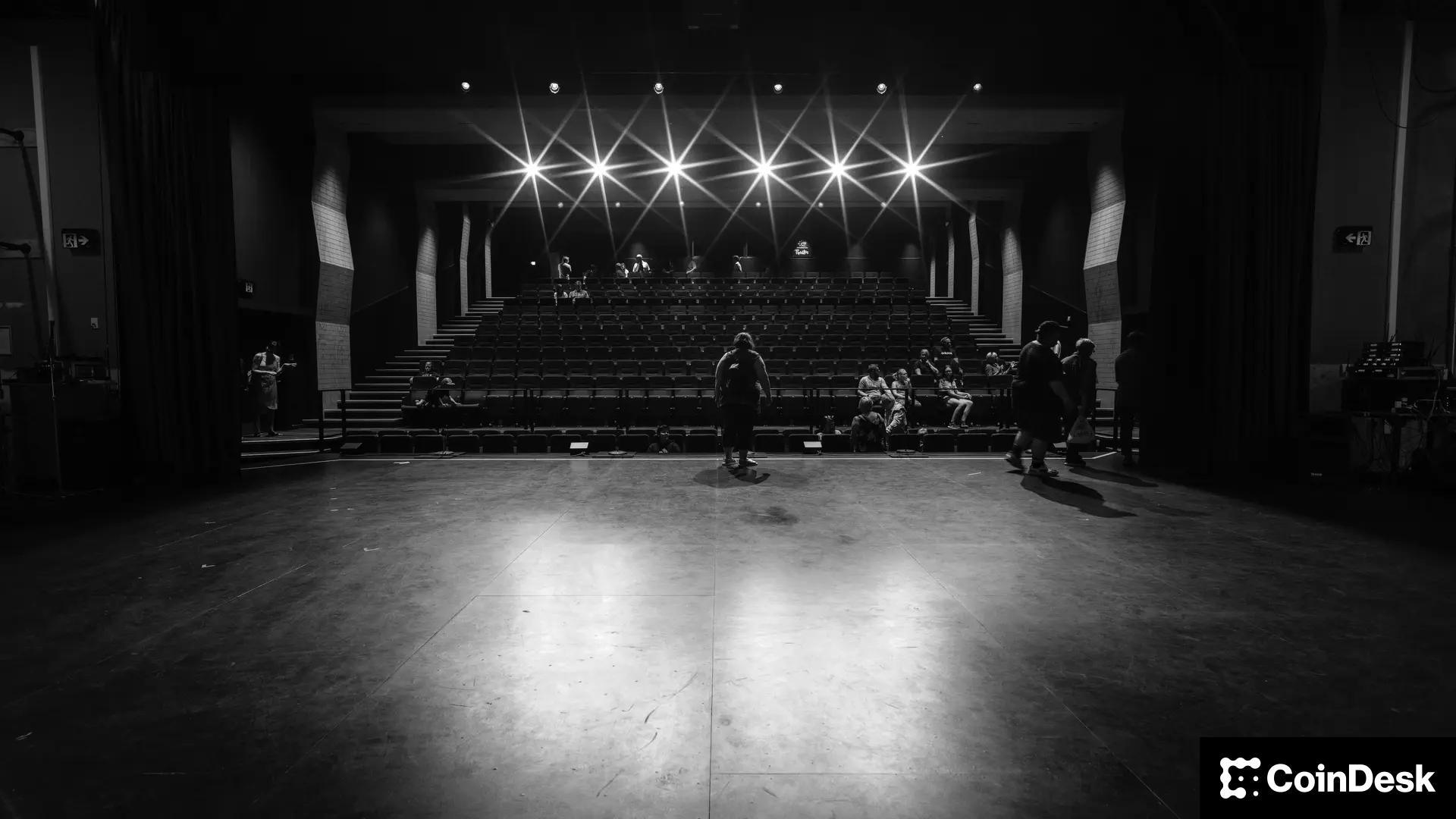
Leah Callon-Butler recently wrote that the rock-and-roll era of crypto is over, and she’s mostly right about the arc. But I lived in the music industry when rock and roll died, and there’s a lot more to the story.
I was a product manager at Universal Music during the torrent days. I sat in the rooms where executives decided to sue grandmothers instead of creating Spotify. I’ve seen them spend more on lawyers than on artists. And eventually I got fired for pointing out that we had already lost.
So when someone uses rock and roll as a metaphor for what’s happening in digital assets, I know what the metaphor actually contains.
This is what the end of the rock and roll era really looked like from the inside. The loudest, most exciting part of the culture died while the boring infrastructure underneath quietly became what mattered. The rock stars are gone. Streaming executives have taken over. And the audience grew even as the culture became less interesting.
Callon-Butler presents this as a kind of mourning. The cypherpunk dream has been diluted by ETFs and institutional custody. The laser eye meme worn by presidents. And yes, I understand the grief. I felt this while watching Universal Music move from breaking artists to optimizing playlists.
But this is where the music industry parallel really becomes useful, and no one talks about that part.
The labels have survived. They wrapped up streaming and called it innovation. They went from fighting Napster to owning shares in Spotify. The same leaders who wanted to destroy file sharing ended up profiting from infrastructure file sharing being forced into existence. The establishment absorbed the revolution and gave it a new image.
This is what is currently happening with digital assets. JP Morgan is doing what Universal did with streaming. They package what they fought for and call it a product. And just like with music, the audience will expand, the infrastructure will improve and the culture will become less interesting. This part, Callon-Butler nails it.
But what he misses is what happened next in the music. Something the establishment couldn’t absorb.
While Universal was becoming a streaming company, ten thousand teenagers with blogs and bedroom studios were building something that the labels couldn’t package. The Swedish death metal kid. Brazilian baile funk producer. Detroit’s tech archaeologist. They didn’t know each other. They didn’t even know Universal mattered. They just wanted to document what they loved.
And collectively, without any coordination, they created something that institutions could not reproduce: infinite specificity. Each possible taste has its own ecosystem. Each microgenre has its own distribution channel. The monoculture dissolved into something so granular that no corporate structure could put it back together.
The era of rock and roll is obviously over. The question is what is built in the quiet spaces where institutions do not look.
Stablecoins move value across borders for people who have never heard of DeFi. Tokenized assets create markets where traditional finance never bothered to appear. Self-custody tools are quietly improving while everyone is distracted by ETF inflows. The boring infrastructure that makes the next wave possible.
I grew up in Argentina. I saw a government freeze bank accounts overnight and tell people their dollars were now worth a third of what they were worth yesterday. This experience teaches you something about money that will stay with you forever. And it teaches you that the people who build the plumbing during quiet times are the ones who matter when things get loud again.
Callon-Butler asks if crypto will remain weird. I would rephrase the question. The music industry stay weird. It just stopped being weird in the places the leaders were monitoring. Weirdness migrated to the margins, to bedroom producers, niche communities, and distribution channels that didn’t need permission.
The end of the rock and roll era of crypto is the most optimistic thing that could happen to the industry. This means that the adults have arrived and the adults bring capital that does not leave when the vibrations change. Crypto needs boring institutional plumbing. And that’s exactly what’s being built right now.
But somewhere, a child from Lagos, Buenos Aires or Beirut is building something on these rails that no one in a boardroom has yet imagined. They don’t even know the establishment exists. They just need the infrastructure to operate.
This is the start of the interesting part.


