
ISLAMABAD:
The endangered solar net metering saved Pakistan from daytime load shedding at a time when the country is going through the worst energy crisis.
At the same time, authorities have ramped up oil-fired power generation to full capacity while delaying scheduled maintenance at nuclear plants in a bid to maintain electricity supplies amid worsening LNG shortages.
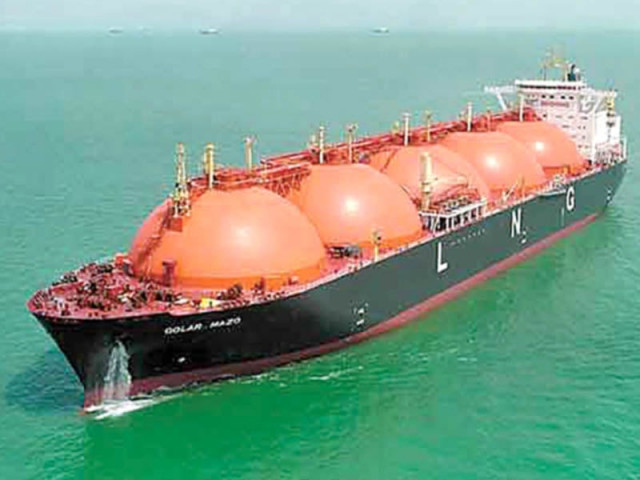
Disruptions in liquefied natural gas flows, linked to regional instability following the war in Iran, have put a strain on the country’s energy mix, forcing the use of more expensive thermal options.
At the same time, reduced reservoir discharges have reduced hydropower production, further tightening supply.
Increasing solar penetration has reduced daytime demand, but shifted the load to evening hours, intensifying shortages after sunset.
Energy Minister Awais Khan Leghari on Thursday attributed the prolonged outages to reduced LNG and hydrogen-based power generation due to the recent Iran-US war, which crippled oil and LNG supplies following the closure of the Strait of Hormuz.
“For every 500 to 600 megawatts of deficit, it takes about an hour of load management,” he explained, adding that the current deficit had required six to seven hours of load shedding.
This means that solar net metering has saved four hours of load shedding in the country. Currently, the country has installed solar net metering capacity of up to 8,000 MW.
Leghari clarified that no load shedding was carried out during the day as demand remained low and generation was sufficient, while load management was mainly implemented during nighttime peak hours.
He said the government had ensured a fair distribution of load shedding between urban and rural areas and had recently extended outages to industrial sectors as well after domestic consumers started facing longer interruptions.
He also apologized to the masses facing prolonged power outages. “If the public faces any inconvenience due to unavailability of electricity at night and during peak hours, I am directly responsible,” he said, adding: “We apologize, but the circumstances are beyond our control.”
LNG facilities in Qatar were hit during the Iran-Israel war, which led to the suspension of LNG supplies to Pakistan.
The Energy Minister said there was no load shedding during the day. However, he failed to inform the nation that solar net meter owners had saved the country from daytime load shedding by injecting over 2,000 MW of electricity.
The Energy Minister is one of the architects of the introduction of the solar net metering policy, which had sidelined future solar net metering plans.
Addressing a press conference, Leghari said the country was facing a deficit of 3,400 MW, forcing power distribution companies to make do by shedding during peak hours.
Due to solar net metering, peak hour shifted to nighttime, when the country experienced a peak demand of 20,000 MW of electricity.
However, these factories had also disappeared during the entire saga and received between Rs 1.2 and 2 trillion in capacity payments every year.
“The new solar net metering policy was not introduced to save consumers, but it was aimed at generating money to pay capacity payments for power plants that were shut down and receiving huge sums of money,” experts say.
“Due to a significant decline in liquefied natural gas (LNG) and electricity generation in the context of the prevailing situation in the Gulf region, electricity demand in April experienced sharp fluctuations, ranging from around 9,000 megawatts to 20,000 megawatts on April 15, reflecting a rapid increase over a short period of time,” the minister said, adding that in April 2025, around 3,200 MW of electricity was produced from hydrogen sources and 3,000 MW from LNG. Fuel oil-based production has remained minimal due to its high cost.
However, he said gas supplies to most LNG power plants had been suspended. “Out of the total LNG-based generation capacity of around 6,000 megawatts, only around 500 megawatts are currently being produced, also using alternative fuels,” he said, adding that hydel production had also declined to around 1,600 MW in April.
He said this had further widened the gap between demand and supply. This decline is due to reduced water discharge from major reservoirs such as Tarbela and Mangla.
The provinces were requesting less water due to prevailing weather conditions and ongoing harvests. He added that water cannot be used only for power generation as it is mainly reserved for agricultural needs.
He maintained that oil-fired factories were operating at full capacity; however, the system still faced a deficit of approximately 3,400 MW.
Leghari added that some southern regions, including areas served by HESCO and K-Electric, were not facing additional load shedding due to relatively better power availability.
It says it has cut costs over the past few years, leading to a 3.8% increase in demand.
He also said that the government was ensuring judicious use of electricity, especially during peak hours.
Hydropower generation stood at around 3,200 MW in April 2025, which dropped to around 1,671 MW this year due to reduction in water discharge from Mangla and Tarbela.
The minister clarified that no load shedding was or would be carried out outside peak hours of the day.
“When demand exceeds 16,500 MW, electricity from gas-fired plants is required. In the absence of gas, the country has limited options to meet demand,” he said.
Responding to comments regarding the country’s installed capacity of 46,000 MW, he said this did not translate into available generation given current fuel constraints.
“The installed capacity exists, which is why there was no load shedding before April,” he explained.


