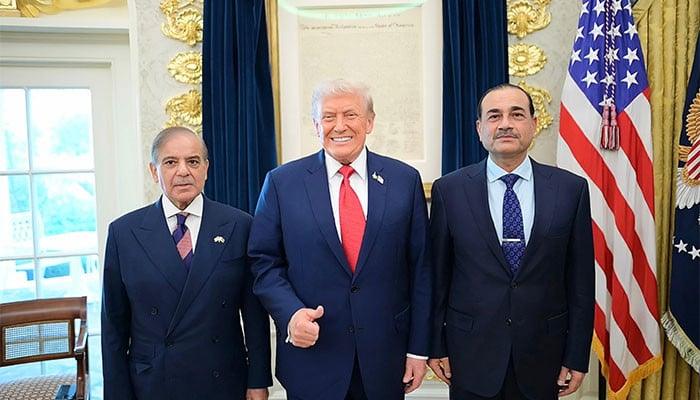
- Trump praises Pakistani leaders, calling them “fantastic people.”
- The US president signals a possible visit to Islamabad if an agreement with Iran is signed.
- US-Iranian negotiators expected to meet in a climate of optimism.
Prime Minister Shehbaz Sharif welcomed US President Donald Trump’s “kind and kind” remarks praising Pakistan’s leadership, as the two leaders exchanged warm messages on social media amid ongoing diplomatic efforts to end the US-Iran conflict.
The exchange comes as Trump once again greeted Pakistani leaders, including Prime Minister Shehbaz and Chief of Defense Staff (CDF) and Chief of Army Staff (COAS), Field Marshal Syed Asim Munir, highlighting strengthening ties between Washington and Islamabad following Pakistan’s central mediator role.
In an article on
Trump, writing on Truth Social, thanked Pakistan and called its leaders “fantastic people.”
His remarks came after Iranian Foreign Minister Abbas Araghchi announced that the passage of all commercial ships through the Strait of Hormuz had been declared completely open for the remaining period of the ceasefire.
Araghchi said in an article on
Furthermore, Trump declared Axios that U.S. and Iranian negotiators are expected to meet this weekend and expressed confidence that a deal could be finalized within “a day or two.”
He also revealed Thursday that if a deal to end the war was signed in Islamabad, he could go there, adding that Iran had agreed to “almost everything.”
The previous meeting in Islamabad, held three days after the ceasefire announcement last Wednesday, marked the first direct meeting between U.S. and Iranian officials in more than a decade and the most significant engagement since Iran’s 1979 Islamic Revolution.
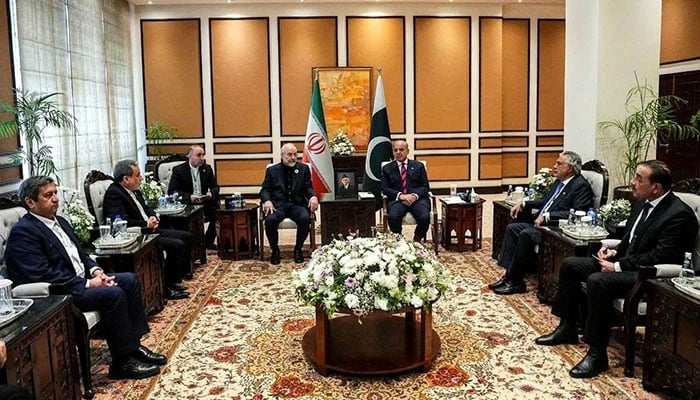
U.S. Vice President JD Vance and Iranian Parliament Speaker Mohammad Baqer Qalibaf led their respective delegations in the latest round of negotiations to settle a range of issues, including the Strait of Hormuz, a major transit point for global energy supplies that Iran has effectively blocked but the United States has promised to reopen, as well as Iran’s nuclear program and international sanctions against Tehran.
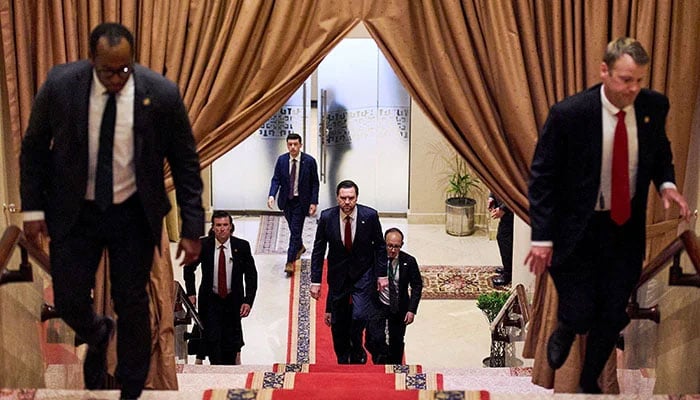
The trilateral “Islamabad talks” lasted nearly 21 hours after beginning on the afternoon of April 11, reflecting the complexity and high stakes involved.
Despite lengthy discussions, the first round ended without a formal agreement. Islamabad officials, however, view the meeting as an important step in opening direct channels of communication between Washington and Tehran.