NEWYou can now listen to PK Press Club articles!
Why have one top 10 when you could have two?
That’s what the New York Giants are saying to themselves after recently acquiring the No. 10 pick in the 2026 NFL Draft from the Cincinnati Bengals for star defensive lineman Dexter Lawrence; New York already had pick No. 5.
How often has a team had two top-10 picks? What is the success rate of the two players? Here are the last 10 times a team had two top-10 picks in the NFL Draft – listed in chronological order:
New England Patriots: LB Chris Singleton (No. 8) and DL Ray Agnew (No. 10) – 1990
Ray Agnew spent the first five seasons of his NFL career with the Patriots. (Photo by George Gojkovich/Getty Images)
The Patriots were able to secure two potential primary defensive starters in Singleton and Agnew in the 1990 NFL Draft. That said, their respective stays in New England were short-lived. For starters, Singleton was released during the 1993 season and would later play his best ball with the AFC East rival Miami Dolphins. Meanwhile, after a commendable first five years on the Patriots’ defensive front (1990-94), Agnew signed with the Giants.
Additionally, New England finished the 1990 season, the rookie campaigns of Singleton and Agnew, at 1-15.
Indianapolis Colts: DL Steve Emtman (No. 1) and LB Quentin Coryatt (No. 2) – 1992
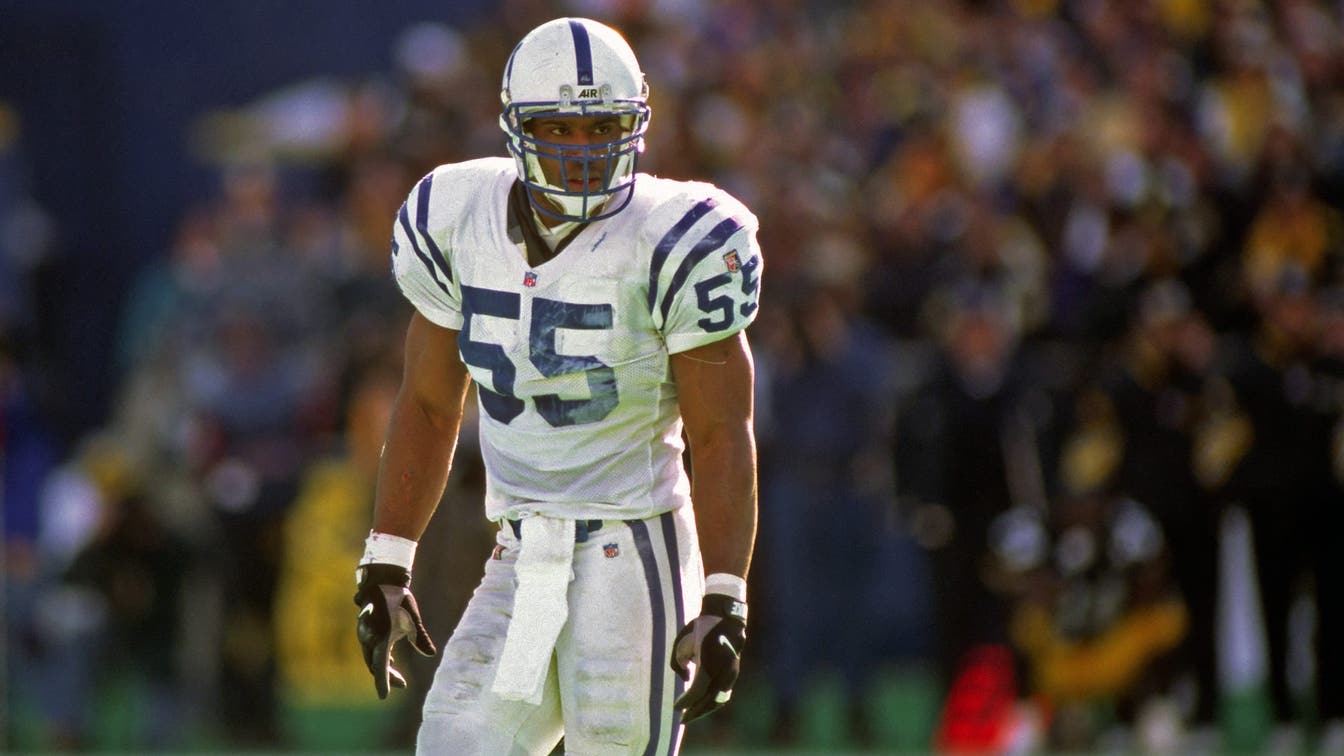
Quentin Coryatt recorded over 100 combined tackles in two seasons. (Photo by George Gojkovich/Getty Images)
This is the only time in NFL history that a team has had the No. 1 and 2 picks in the same draft. Unfortunately for the Colts, these picks did not go as planned. Emtman was continually plagued by devastating injuries early in his career, tearing his ACL and patellar tendon in consecutive years and shattering a disc in his neck the following season, among other issues. He only played 18 games with the Colts from 1992-94 before getting a change of scenery.
After a wrist injury shortened his rookie campaign in 1992, Coryatt became a valued member of the Colts defense, accumulating over 100 combined tackles in 1993 and 1995 and never missing a start from 1993 to 1995. He would play six seasons with the Colts (1992-97). Certainly, Coryatt didn’t live up to his second-place pick in the draft.
Indianapolis Colts: RB Marshall Faulk (No. 2) and LB Trev Alberts (No. 5) – 1994
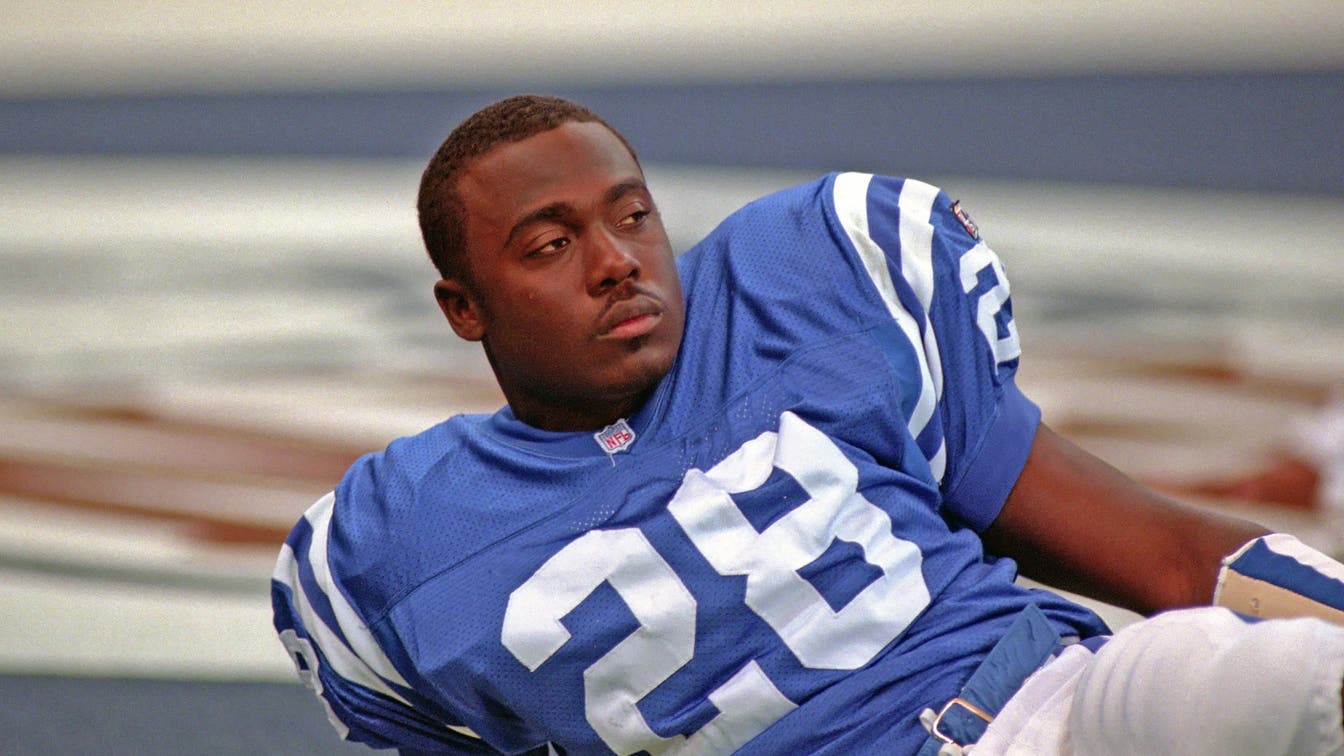
Marshall Faulk spent the first five seasons of his Hall of Fame career with the Colts. (Photo by George Gojkovich/Getty Images)
The Colts hit a home run with Faulk at the second pick, as he would become an integral part of their offense and one of the best at his position. Faulk was a Pro Bowler in his first two seasons in the NFL and went on to rush for a career-high 1,319 yards and total 908 receiving yards in 1998. The Colts’ problem? They traded Faulk to the St. Louis Rams the following offseason. Faulk went on to win the Super Bowl in 1999 and is now primarily associated with the Rams.
To make matters worse for Indianapolis, Alberts failed to gain traction in the NFL as elbow and shoulder issues held the linebacker back. He only played in 29 games and made seven starts between 1994 and 1996.
Seattle Seahawks: DB Shawn Springs (No. 3) and OT Walter Jones (No. 6) – 1997
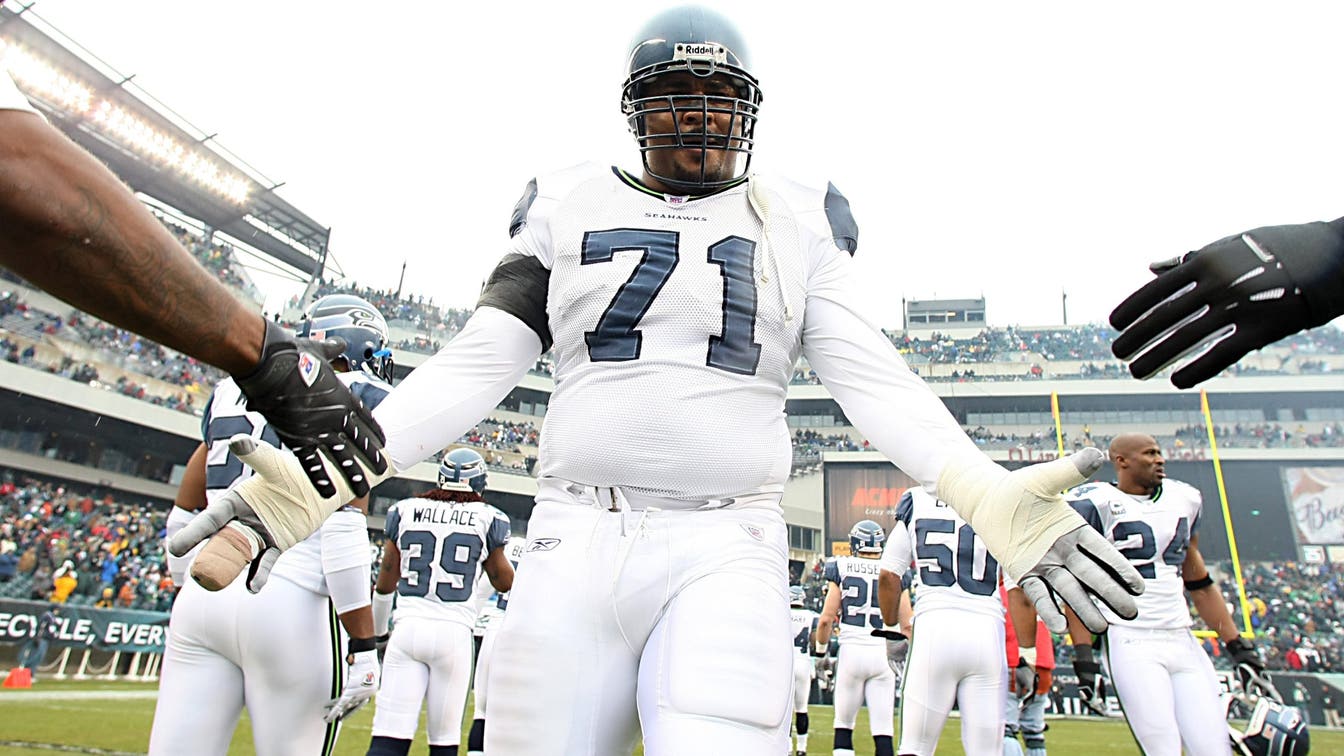
Walter Jones played his entire 12-year career with the Seahawks. (Photo by Al Bello/Getty Images)
The Seahawks had a breakout first-round draft pick in 1997. After a thumb injury limited Springs to 10 games in 1997, he became a mainstay in Seattle’s secondary. In 1998, Springs threw seven interceptions, helping him earn a spot in the Pro Bowl. In seven seasons with the Seahawks (1997-2003), Springs totaled 20 interceptions, which ranks eighth in franchise history, and 434 combined tackles.
As for Jones, the offensive tackle spent his entire career in Seattle (1997-2008) and became one of the best left tackles in NFL history. A four-time All-Pro and nine-time Pro Bowler, Jones was a mainstay on the 2005 Seahawks team that reached Super Bowl XL and was a first-ballot Hall of Famer.
Washington Commanders: LB LaVar Arrington (No. 2) and OT Chris Samuels (No. 3) – 2000
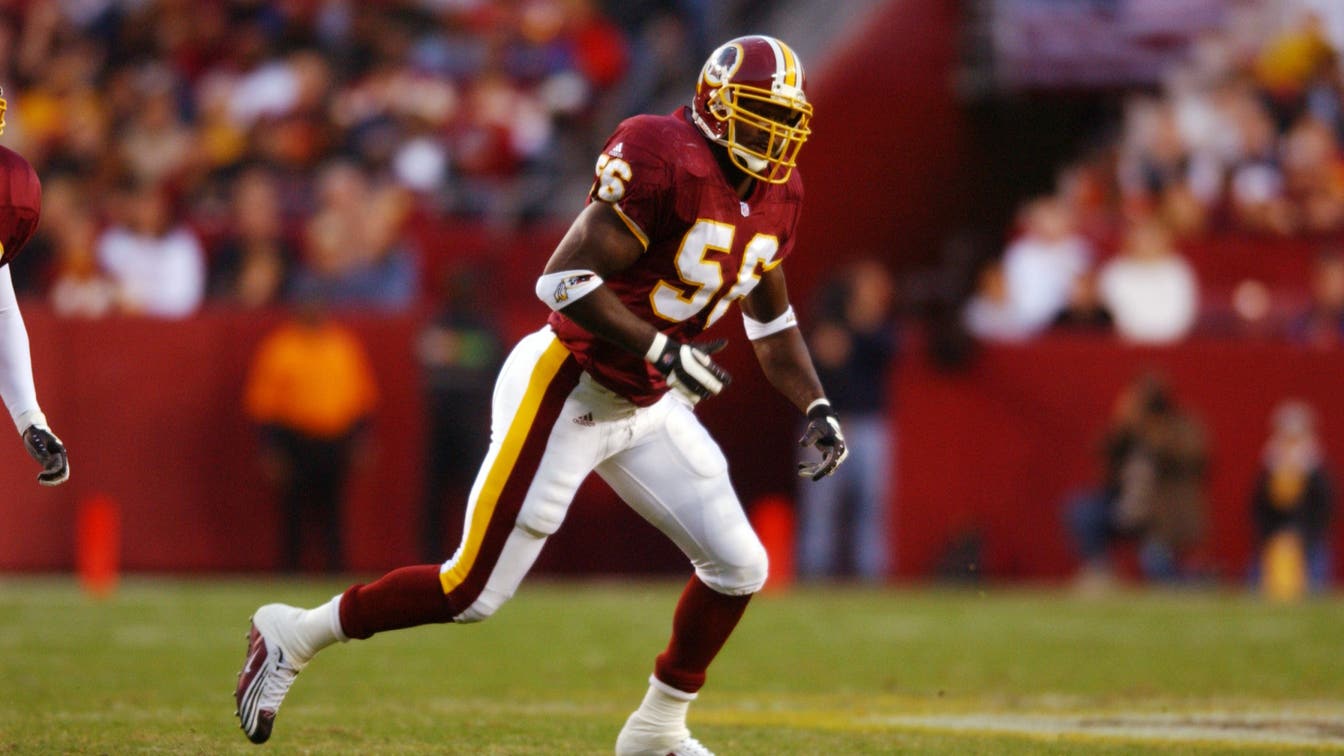
LaVar Arrington and Chris Samuels combined for nine Pro Bowls during their respective careers in Washington. DIGITAL IMAGE. Mandatory Credit: Doug Pensinger/Allsport
The success Washington had with its first-round selections in 2000 is remarkable considering the NFL Draft’s margin for error. Arrington was among the sport’s best linebackers during his six seasons at Southern Maryland (2000-05), highlighted by leading the league with six forced fumbles in 2003, recording 11.0 sacks in 2002 and earning Pro Bowl nods from 2001 to 2003. Knee injuries slowed Arrington before he left Washington after the 2005 season.
Just follow drafting a three-time Pro Bowler by drafting a six-time Pro Bowler. Samuels was Washington’s starting left tackle, barring injury, from 2000 to 2009 and among the best players at his position during that span, highlighted by the aforementioned six Pro Bowl seasons.
Baltimore Ravens – RB Jamal Lewis (No. 5) and WR Travis Taylor (No. 10) – 2000
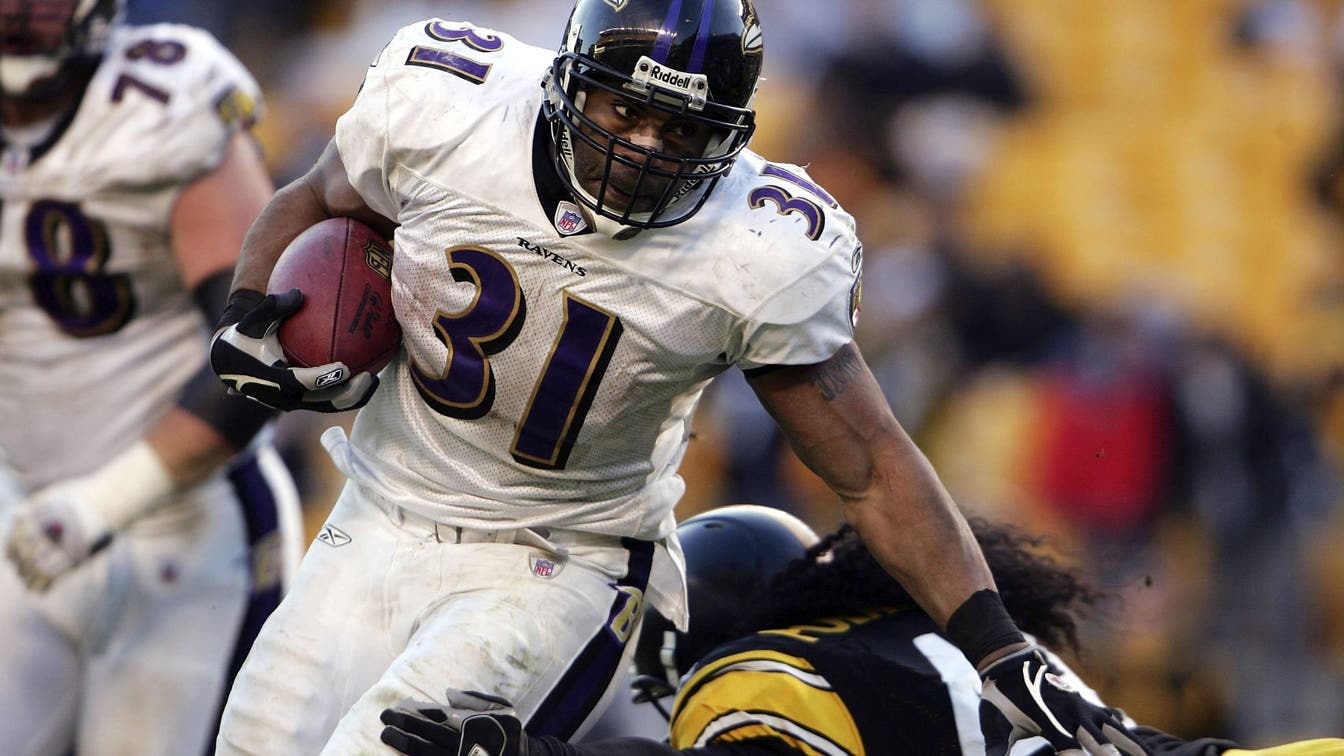
Jamal Lewis was the NFL MVP in 2003. (Photo by Chris McGrath/Getty Images)
DMV dominated the early part of the 2000 NFL Draft, with Baltimore also boasting two top-10 selections. As for those picks, the 5-foot-11, 245-pound Lewis was an immediate driving force of the Ravens’ offense in their 2000 Super Bowl season, rushing for a total (regular season and playoffs) of 1,702 yards and 10 touchdowns. After missing the 2001 season due to a torn ACL, Lewis picked up where he left off in 2002 and then joined the 2,000 rushing yard club in 2003 (the club has nine members), helping him earn MVP honors. Lewis played for the Ravens until 2006 and is the franchise leader in rushing yards (7,801) and rushing touchdowns (45).
Of course, Taylor was also a part of the Ravens’ Super Bowl triumph in 2000. Taylor’s stay in Baltimore only lasted five years (2000-04), but the wide receiver was a constant factor in the team’s passing attack, averaging 40.8 receptions for 551.6 yards and three touchdowns per season.
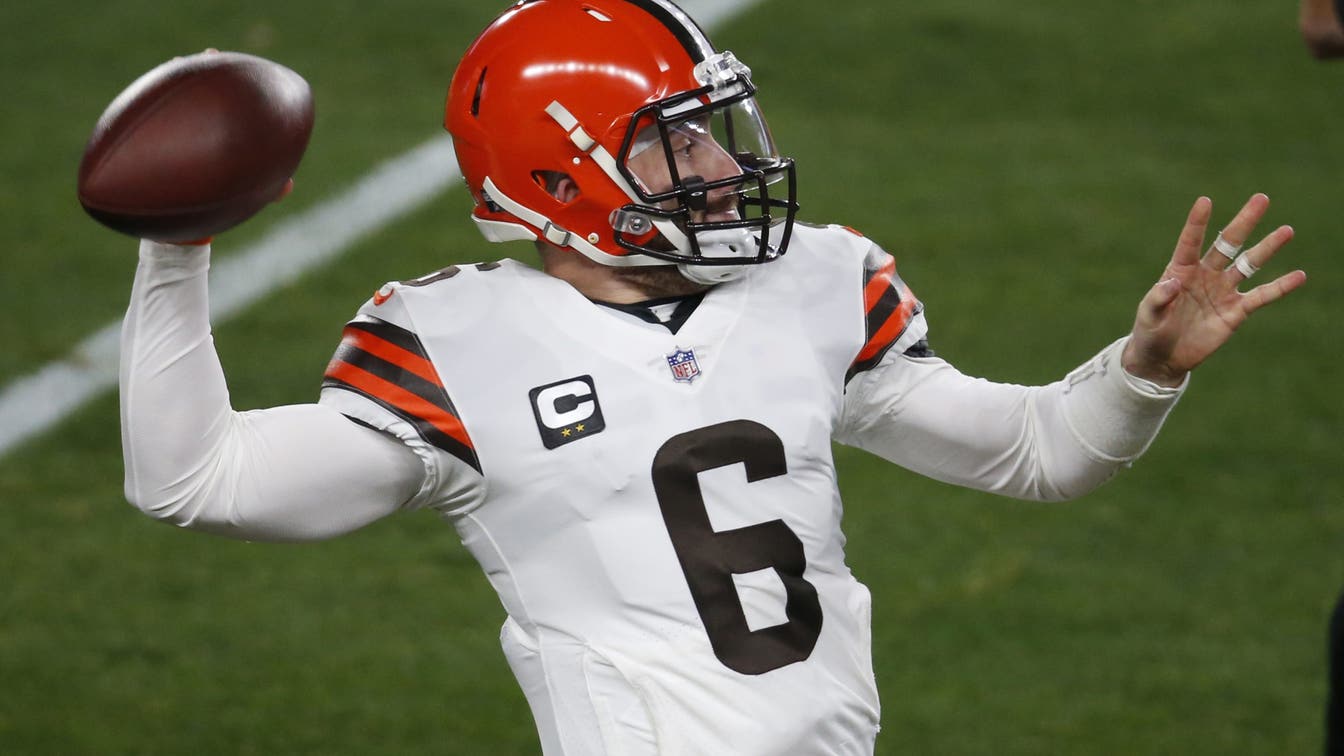
Baker Mayfield was the Browns’ primary quarterback from 2018 to 2021. (Photo by Justin K. Aller/Getty Images)
After going literally one win the previous two seasons (2016-17), the Browns needed a boost, and they got it with the fiery Mayfield, who was inserted as the team’s full-time quarterback in a Week 3 game of his rookie season and never looked back. The Browns went 6-7 with Mayfield as their starting quarterback in 2018, and they would make the playoffs for the first time in 18 years in 2020. Cleveland traded Mayfield after the 2021 season, averaging 3,531.3 passing yards, 23 passing touchdowns, 14 interceptions, and an 87.8 passer rating per season from 2018 to 2021, while completing 61.6% of his passes.
While Mayfield gave the Browns respectability on offense, Ward ultimately was the standout selection, as the cornerback, who has remained with the team since April 2026, has been one of the sport’s elite defensive backs during his eight-year career. A Pro Bowler in five of his first eight seasons with the Browns, Ward threw a total of 18 interceptions.
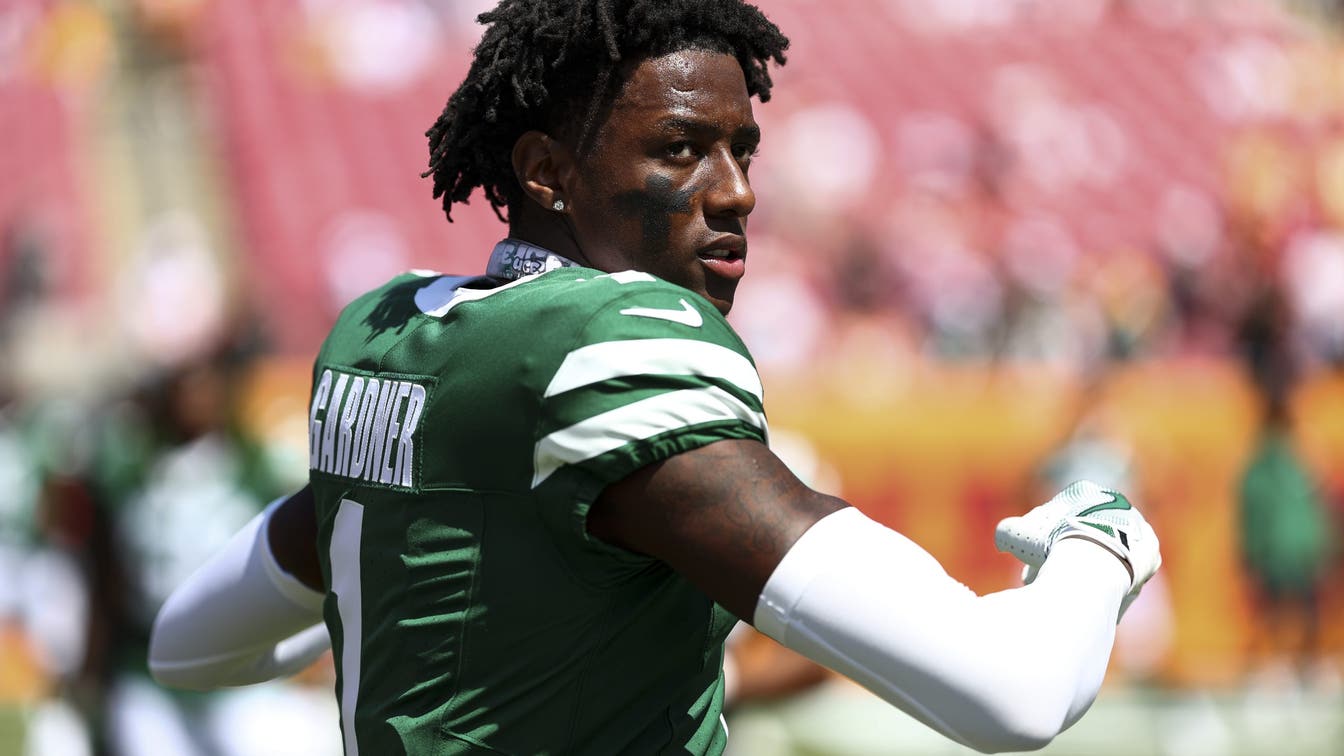
Sauce Gardner and Garrett Wilson were the 2022 Defensive and Offensive Rookie of the Year winners. (Photo by Kevin Sabitus/Getty Images)
It’s hard for any team to ask for anything other than what the Jets received from their pair of blue-chip picks in 2022. From the jump, Gardner established himself as one of the best cornerbacks in the sport with his raw speed and 6-foot-3 wingspan. Gardner was All-Pro in each of his first two seasons (2022-23). That said, the Jets traded Gardner to the Colts at the 2025 NFL trade deadline for two first-round picks, a wide receiver and a former second-round pick, Adonai Mitchell.
As for Wilson, heading into an injury-riddled 2025 season, the receiver averaged 93.0 receptions for 1,083.0 yards and 4.7 touchdowns per season from 2022 to 2024. Wilson is a legitimate No. 1 target. Wilson (offense) and Gardner (defensive) won their respective 2022 Rookie of the Year honors and signed massive four-year extensions in 2025 (Gardner signed a four-year, $120.4 million contract and Wilson signed a four-year, $130 million contract).
New York Giants: LB Kayvon Thibodeaux (No. 5) and OT Evan Neal (No. 7) – 2022
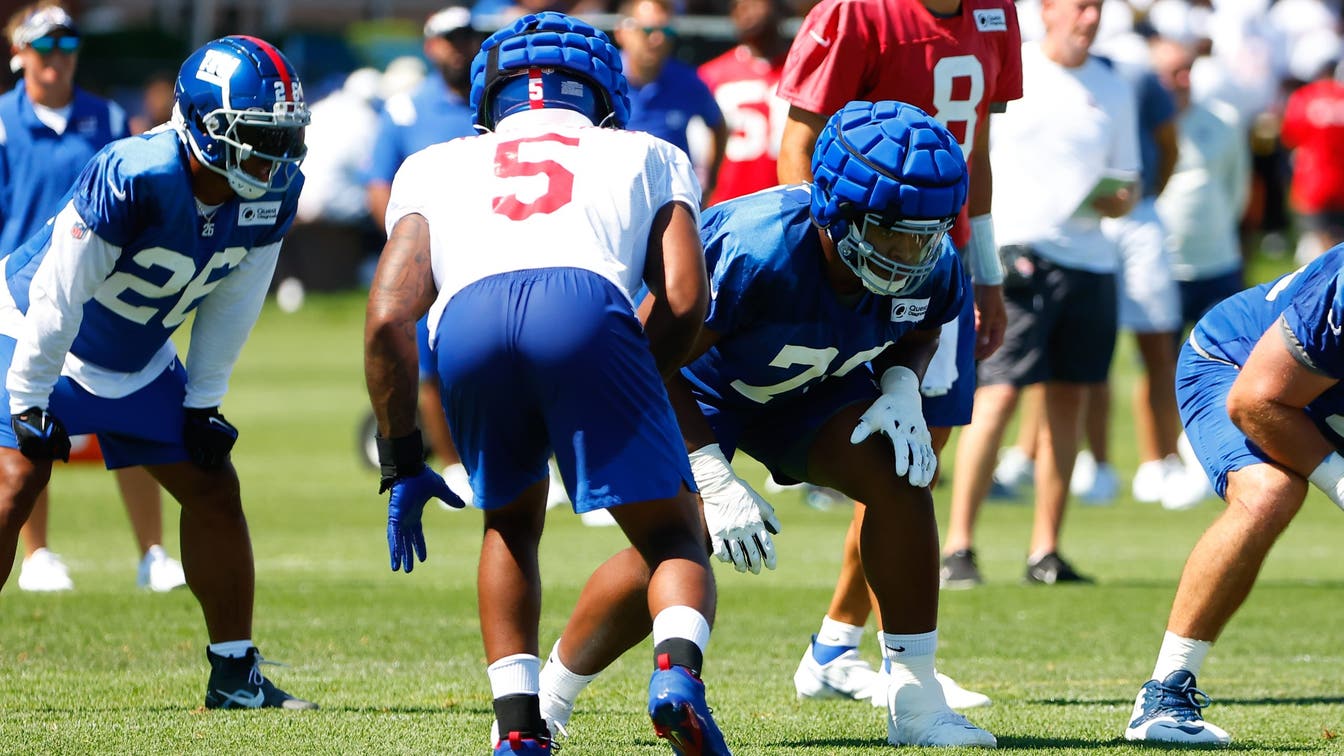
The Giants made the playoffs for the first time in six years in 2022, which was the rookie seasons of Kayvon Thibodeaux (No. 5) and Evan Neal (No. 70). (Photo by Rich Graessle/Icon Sportswire via Getty Images)
Indeed, the 2026 NFL Draft will be the second time in five years that the Giants have two top-10 selections. And yes, both New York/New Jersey teams had two top-10 picks in 2022. As for the Giants, their 2022 first-round selections disappointed. While Thibodeaux has a legitimate explosion and came to life with an 11.5 sack season in 2023, he has only eight sacks over the past two years (2024-25).
Meanwhile, Neal, who was the Giants’ primary right tackle during his rookie campaign in 2022 and early 2023, was held back by multiple injuries earlier in his career and has been primarily a reserve for New York since then.
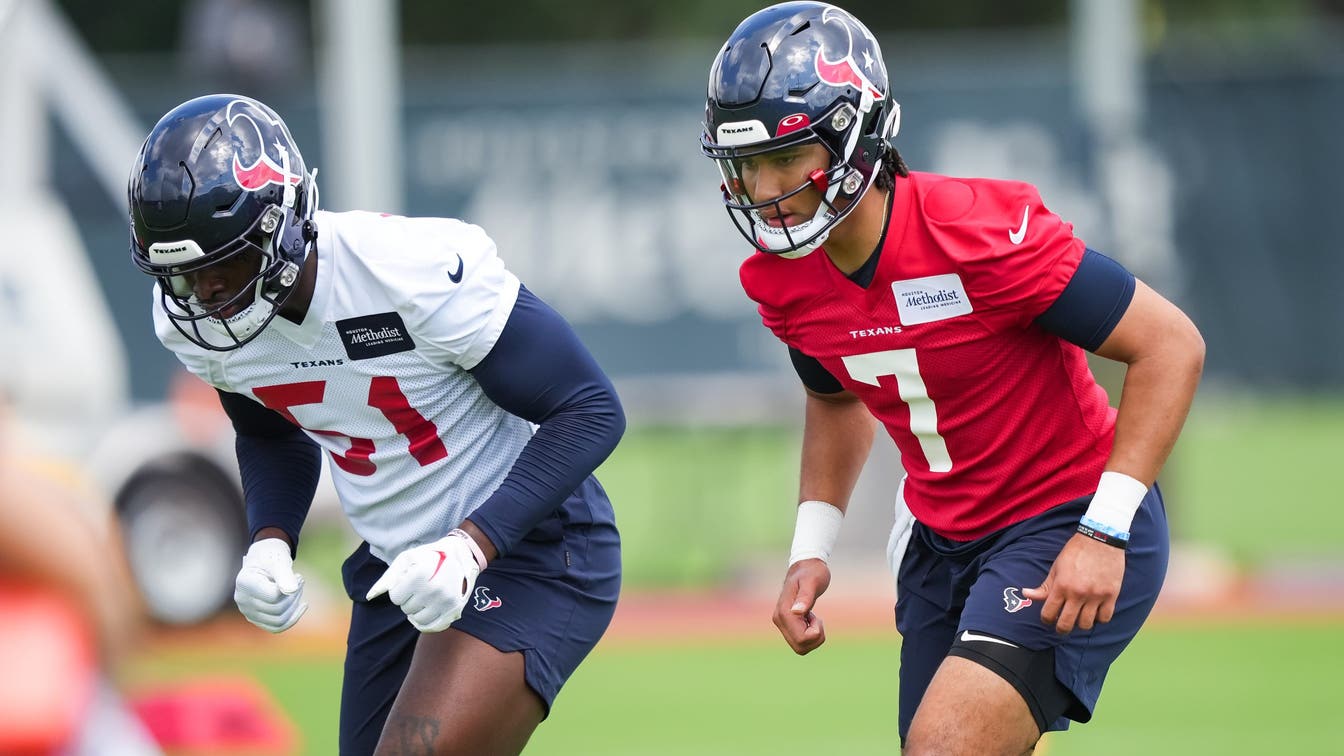
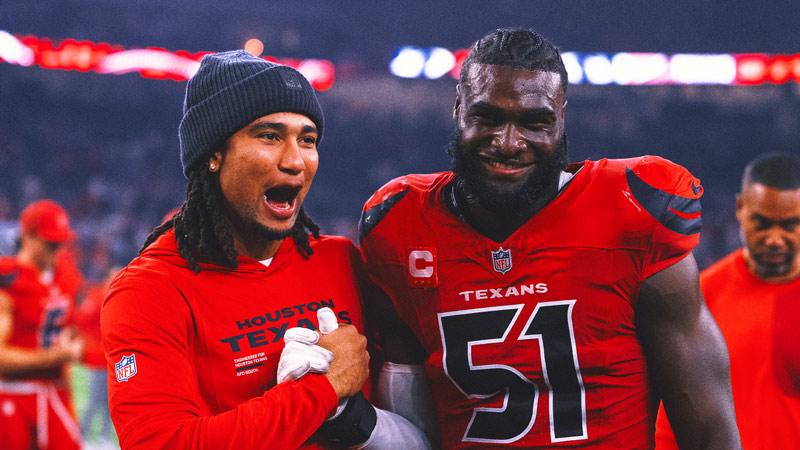
CJ Stroud (No. 7) and Will Anderson Jr. (No. 51) were the 2023 Offensive and Defensive Rookie of the Year winners. (Photo by Alex Bierens de Haan/Getty Images)
Much like the Jets in 2022, the Texans selected the Offensive and Defensive Rookie of the Year in 2023, which helped transform their franchise. During his rookie season, Stroud totaled 4,108 yards and 23 touchdowns and posted a passer rating of 100.8 in 15 regular season starts, helping Houston win the AFC South and reach the divisional round. Stroud showed composure, ability to connect on the deep ball and traits of a franchise quarterback from the jump. Certainly, Stroud’s production declined in each of the next two seasons.
Anderson, who Houston traded for the No. 3 pick, has been a force to be reckoned with in the Texans’ front seven. A Pro Bowl in two of his first three seasons and an All-Pro in 2025, Anderson – who recorded three forced fumbles in 2025 and recorded double-digit sacks in each of the last two seasons – has established himself as one of the NFL’s best defensive ends as a passer and run defender.
Additionally, the Texans signed Anderson to a three-year, $150 million contract on April 17, with the average annual value of $50 million being an NFL record for a non-quarterback. The Texans won double-digit games and reached the AFC divisional round in each of their three seasons with Stroud and Anderson in the fold.