
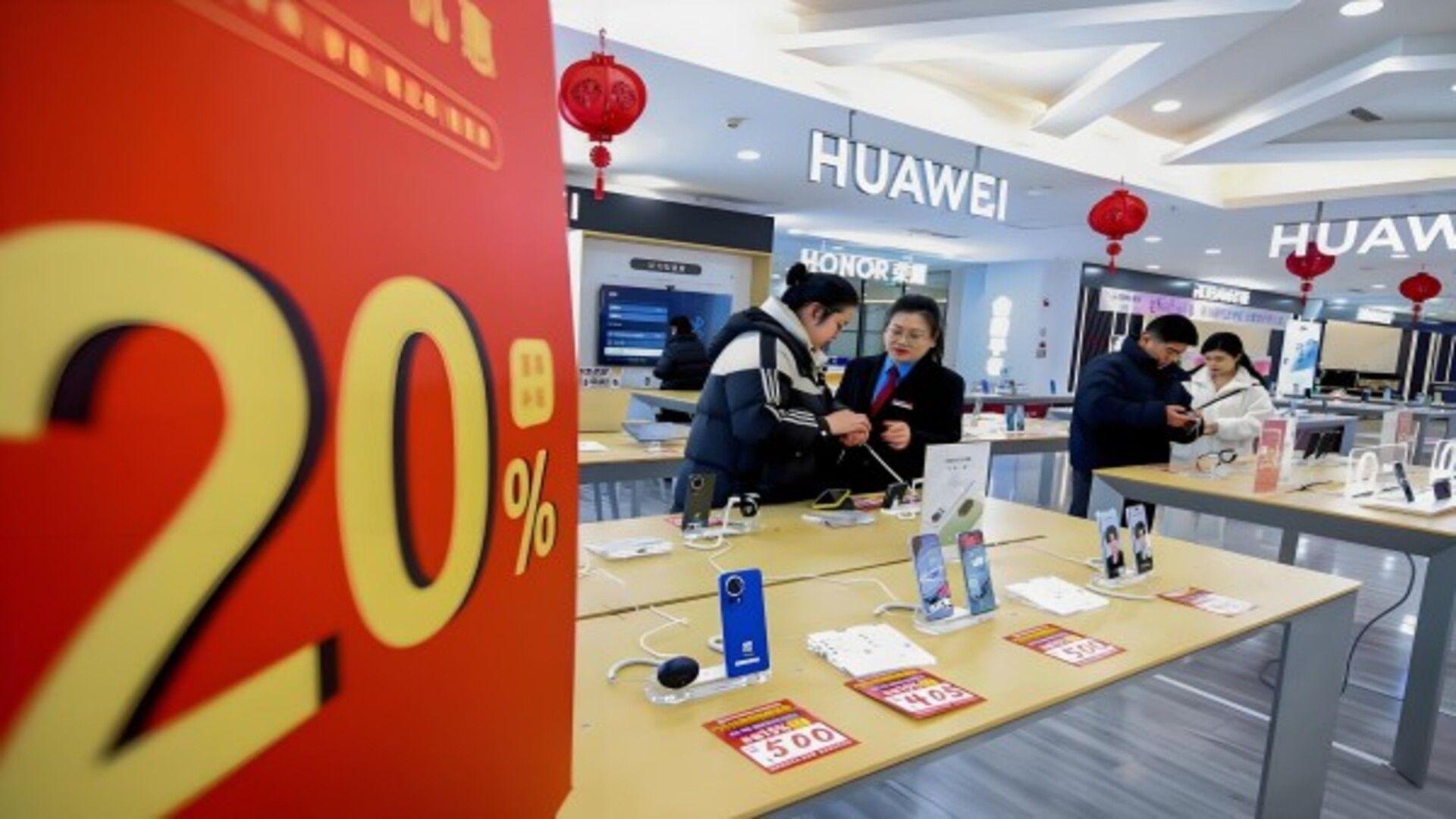
- China’s exchange program generated 502.94 billion yuan (~$74 billion) in sales
- Nearly 70 million purchases were supported through grant-based incentives
- Digital products accounted for the largest share of units sold
China has released new figures regarding its government-backed consumer goods takeover initiative, and the numbers are substantial.
According to the Ministry of Commerce, as of April 12, 2026, the program has generated total sales of 502.94 billion yuan (~$74 billion) and benefited nearly 69.78 million individual purchases.
In this total, digital and smart products accounted for 41.08 million units sold, generating 122.41 billion yuan (~$18 billion) in revenue.
Article continues below
Appliance trade-in leads the pack
Home appliance trades reached over 27 million units with sales of 111.09 billion yuan (~$16 billion), while automobile trades exceeded 1.67 million units, generating new vehicle sales of over 269.44 billion yuan (~$40 billion).
The 2026 performance becomes more meaningful when compared to past data.
Throughout 2025, consumer goods take-back programs benefited 366 million purchases and generated product sales worth a total of 2.61 trillion yuan (~$383 billion).
By the end of May 2025, the program had already increased sales of five key categories of consumer goods to 1.1 trillion yuan (~$161 billion), with around 175 million in subsidies paid directly to consumers.
The 2025 effort was supported by 300 billion yuan (~$59 billion) of special ultra-long-term Treasury bonds, double the amount allocated in 2024.
For 2026, the government plans to allocate a total of 250 billion yuan (~$37 billion) for these bonds, of which 62.5 billion yuan (~$9 billion) has already been distributed as the second batch of financing in April 2026.
The 2026 sales figures, while impressive at more than half a trillion yuan in just over three months, remain short of the annual pace set for 2025.
However, direct comparisons remain complicated as the program expands its product coverage each year.
China’s incentive-driven model contrasts with the European Union’s framework under the WEEE Directive.
The EU focuses on producer responsibility for the collection and treatment of old electronic consumer goods.
However, in Moldova, the EcoVoucher program provides €305 ($358) vouchers to vulnerable households when they return their old appliances for replacement.
The program covers up to 70% of the cost of a new refrigerator or washing machine, ensuring that recycling directly lowers barriers to purchase.
More than 40,000 devices have already been replaced, generating energy savings of more than €1.22 million ($1.4 million) while accelerating the removal of inefficient devices.
India also has a similar production-linked incentive program, which has disbursed Rs 28,748 crore ($3.46 billion) since 2021 to support production and upgrades of electronic products.
The goals of these programs are different, but experts noted that the Chinese model leads to product upgrading and industrial transformation.
Via News.cn
Follow TechRadar on Google News And add us as your favorite source to get our news, reviews and expert opinions in your feeds.


